The cultural pulse of India in 2026 is a fascinating mix of high-speed 6G connectivity and age-old traditions that refuse to budge. Despite the rapid digitisation of the economy, the true essence of Indian life is still found in the unwritten rules of the household and the street. There are particular quirks, habits, and social codes that coexist as a “secret handshake” among a billion people.
Be it the way a pressure cooker whistle dictates the rhythm of a kitchen or how we are mentally equipped with the universal flexibility of “five minutes” as an instruction, these things only Indians can relate to, shape an identity that prevails even in an increasingly globalised world. To grasp these subtleties, one needs to travel behind the skyscrapers of Mumbai or Bengaluru and into this daily cycle of survival and celebration.
The Ritual of the Repurposed Container
One of the most enduring things only Indians can relate to is the creative afterlife of food packaging. In an Indian home, a container rarely dies; it simply evolves. A blue tin that originally housed expensive Danish butter cookies almost certainly contains needles, thread, and spare buttons today. This habit is not just about saving money. It is a deep-seated cultural resistance to waste that has existed long before “sustainability” became a corporate buzzword. Glass jars from jam or honey find a second life holding turmeric or mustard seeds.
Even the humble plastic milk packet is often washed and kept in a dedicated “bag of bags.” This environmental consciousness is practical and lived-in. According to reports by The Better India, this culture of “upcycling” is actually one of India’s biggest contributions to a greener planet, even if it starts with something as small as using an old T-shirt as a floor mop.
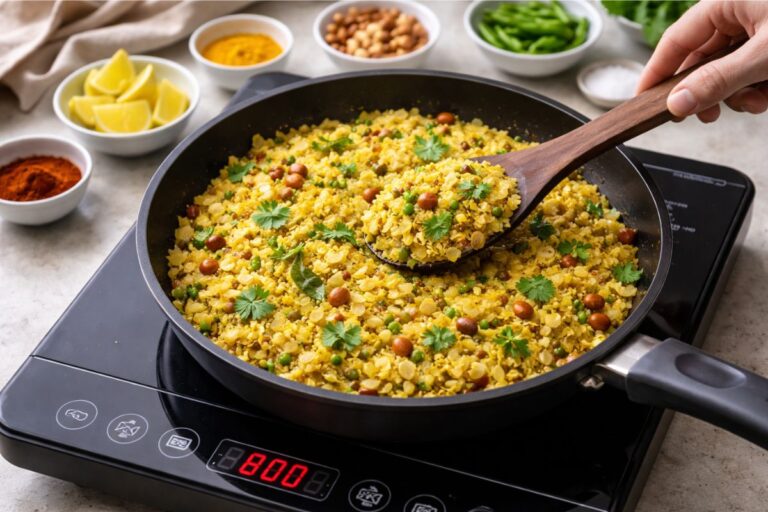
Also Read: Easy Kitchen Tips To Master How To Cook Poha On Induction Without Drying It Out
The Fluidity of Indian Standard Time
Time in India runs on a spectrum of optimism, not the precise ticks of a clock. The phrase “I am reaching in two minutes” is a legendary example of this. In real life, the person may be searching for their car keys or waiting to catch a lift. This is not meant as a lie; it’s more like verbal assurance that the intention to make it there exists. One needs this kind of mental agility to navigate Indian traffic.
To get around, cities like Delhi may have advanced AI-driven traffic management systems by 2026—but the “jugaad” or improvised shortcut, will remain king. We all know that arriving exactly on time to a social gathering is nearly a faux pas. Showing up at a party when the invitation says it starts usually results in the host still being in her bathrobe. This shared understanding of “The Five Minute Rule” maintains social peace in a way that rigid punctuality never will.
The “Guest is God” Food Negotiation
The Indian kitchen means extreme hospitality, where no is a polite suggestion rather than an answer. The idea of Atithi Devo Bhava (The Guest is God) makes a peculiar kind of warfare very specific to the dining table. A host will press an already full guest to take a third helping of parantha or another scoop of halwa. This negotiation is a dance.
The guest declines at least twice to demonstrate a lack of greed, and the host insists at least three times to show they are generous. It is an affectionate struggle. Food is the primary language of love in India. Cultural studies cited by The Established tell us this obsession with feeding others is at the heart of Indian social resilience and community bonding.
The Household Symphony and Sensory Details
An Indian colony has a highly particular soundtrack. It opens with the metallic jingle of the milkman’s bike and then the high-pitched calls of the vegetable vendor. Then there’s the most iconic sound of all: the pressure cooker. The day is measured in “whistles” in most homes. Three whistles signify that the dal is done and four that the potatoes are ready. Then there is the sensory detail of the “new” car.
Even in 2026, many owners are reluctant to remove plastic covers from their seats for months and years. It’s helping to keep the “newness” and “novelty” as long as possible. The television remote is usually still in its original plastic wrapping, secured with sticky tape. These are small acts of preservation that reflect how much value is placed on hard-earned possessions.
The Multipurpose Indian Head Wobble
The “Indian Head Nod” is probably the most relatable of all the things only Indians can relate to. This is a subtle, side-to-side tilt that is most flexible. It can mean “yes,” “I understand,” “maybe”, or just “I am listening”. For an outsider, it is a conundrum. For an Indian, that slight deviation in speed or angle conveys the entire story.
This kind of non-verbal communication is critical in a country where hundreds of dialects are spoken. It bridges the gap. Whether you are haggling with an auto-rickshaw driver or coming to terms with a colleague, the wobble does the heavy lifting. It is this soft, subtle, and non-confrontational form of expression that seems to work best with the Indian societal framework.
FAQ
Why do Indians keep the plastic on new appliances?
It is a sign of “Shagun” or good luck associated with a new purchase. Keeping the plastic on signifies that the item is still pristine and valued. It’s about protecting an investment.
What is “Jugaad” exactly?
It is frugal innovation. It means finding a solution using limited resources. If a showerhead is broken, an Indian might use a pierced bucket. It’s about making things work against the odds.
Why is tea (Chai) served even in 40-degree heat?
Because tea isn’t about hydration; it’s about the break. The heat of the tea actually helps the body regulate its temperature through sweating, but more importantly, a conversation isn’t complete without a cup of Kadak Chai.
Is the “Five Minute” rule rude?
Not in the Indian context. It is seen as a way to avoid giving bad news. Saying “I will be late” feels harsher than saying “I am coming in five minutes.”
Bottom Line
So as April 2026 rolls around, it is clear enough that India’s identity didn’t depend merely on its space missions or its G.D.P. It is about these simple yet relatable incidents that are bound to bring a smile on anyone’s face who has grown up in an Indian household. It is the “Good Morning” WhatsApp messages with animated flowers, the immense struggle to find the matching lid of a Tupperware box and the habit of asking for extra dhaniya (coriander) at the vegetable stall that keep the culture alive. These habits offer a sense of belonging.
In an increasingly digital and impersonal world, these things that only Indians can relate to provide a touching human touch. They are the threads that stitch together the many regions of the country into one vibrant fabric. In any event, the sun is going down, the smell of incense wafts through the hallways, and somewhere a pressure cooker is about to blow. That’s what home really sounds like. The next time a remote control doesn’t work, don’t check the batteries immediately. Just give it a firm “Indian tap” on the back. It usually works. Honestly, it always does.
Also Read: What Businesses Need To Know About The Latest Commercial LPG Update In India
Sources and References
- The Established (2026): Nostalgia in India: How Memory is Shaping Modern Identity – A deep dive into why traditional Indian habits are becoming a core part of Gen Z and millennial identity in the 2020s.
- Thikana Delhi: The Science of ‘Jugaad’: Why India’s Frugal Innovation is a Global Model – An analysis of the practical benefits and environmental impact of the “repurposing” culture found in Indian households.
- Vogue India: The ‘Atithi Devo Bhava’ Complex: Why Indian Hospitality is a Love Language – Insight into the social negotiations and emotional weight involved in Indian dining and guest culture.
- The Indilogs: The Pressure Cooker Symphony: Why a Hissing Whistle is the True Soundtrack of an Indian Home —a nostalgic look at the sensory details that define the Indian middle-class experience.