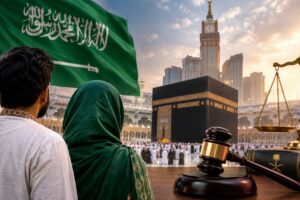
Saudi authorities put two workers from Bangladesh to death on October 14, 2026. Official papers listed their names as Nazrul Islam Abdul Basir and Sweety Akter. Look, the local ministry claimed both got caught doing something indecent inside a Mecca mosque. Local judges handed down capital sentences under ta’zir rules, basically giving courts total free rein. Meanwhile, folks in Dhaka are demanding actual legal files. To make matters worse, flight cancellations kept the bodies stuck overseas.
Honestly, cases like this always trigger massive diplomatic headaches. Amnesty International noted that Saudi Arabia executed over 170 people back in 2023 alone. Foreign labourers make up a huge chunk of those numbers, you know? Rights advocates constantly point out how hard it is to get proper legal defence over there. Language barriers leave most foreign workers totally stranded during super-fast trials.
- Saudi officials executed two Bangladeshi workers on October 14, 2026.
- State reports mentioned an indecent act inside a Mecca mosque.
- Judges used discretionary ta’zir rules to hand out death sentences.
- Bangladesh officially asked for full court records and legal explanations.
- Flight disruptions delayed sending both bodies back to their families.
- Mecca maintains strict public conduct rules and sacred site entry laws.
Why Did Saudi Arabia Execute the Bangladeshi Couple?
The sudden news sent shockwaves across Dhaka and raised tons of uncomfortable questions. Let’s be real, the Saudi justice system isn’t known for being open. Foreign workers face massive risks when caught up in capital cases. The Saudi Interior Ministry named the two individuals as Nazrul and Sweety. Though, odd as it is, some media outlets called Sweety by the name Siti Akhtar instead.
State officials insisted the duo violated a holy site’s sanctity. They argued this justified the most extreme punishment on the books. Yet, oddly enough, officials never explained what actually happened inside. Nobody even knows which specific mosque they were talking about. Mainstream media never got to see any physical proof or court transcripts.
Early reports claimed the pair were married. However, family members back home quickly shut that rumour down today. Their exact personal link was never actually confirmed by anyone official. Unverified claims just make this whole situation even more confusing, honestly.
Diplomats in Bangladesh were pretty furious about how things went down. The consulate in Jeddah got zero warning before the executions happened. So, naturally, staff couldn’t step in or offer proper legal aid. That sudden move sparked serious tension between both capitals.
Also Read – What Happens During Nishita Kaal on Janmashtami
What Is Ta’zir Law and Why Was It Applied?
To understand how Saudi courts work, you have to look at Islamic legal tradition. Ta’zir basically gives a judge total freedom to pick a punishment. It covers acts that don’t have fixed penalties written in stone. Because of that, sentences vary wildly depending on who is sitting on the bench.
Islamic jurisprudence generally splits offences into three main buckets. Here is a simple breakdown of how these legal frameworks operate in practice:
| Law | Primary Definition | Judicial Discretion Level |
|---|---|---|
| Hudud | Fixed penalties set by religious texts for major offences. | Very Low (Fixed Mandates) |
| Qisas | Retributive justice or financial compensation for bodily harms. | Medium (Victim’s Family Choice) |
| Ta’zir | Discretionary penalties determined by individual judges. | Very High (Total Discretion) |
Saudi courts lean heavily on unwritten religious principles rather than formal statutes. That broad freedom gives individual judges immense control over people’s lives. In this instance, judges chose capital punishment under ta’zir rules. Officials say higher courts reviewed and approved the sentence before execution. Still, handing out death sentences under discretionary rules is pretty rare and super controversial.
Without full trial records, analysing what happened is nearly impossible. We just can’t see how the bench justified the death penalty here. The total lack of paperwork leaves big gaps in the story.
Also Read – Interesting Facts About Raksha Bandhan
Why Is Bangladesh Seeking Answers?
Officials in Dhaka demanded clear answers about the whole judicial process right away. Conflicting details popped up almost immediately. Confidential paperwork from the Jeddah consulate listed totally different initial charges. Nazrul was picked up back in August 2023 over alleged cybercrime issues. Sweety was taken in a day later on an adultery charge. Both of them worked basic cleaning jobs for Al Majal Company.
Consular lists never showed any death sentences pending for either person. These wild discrepancies make you wonder what really happened behind closed doors. How do minor initial charges suddenly morph into capital cases?
Bangladesh sent formal notes demanding complete trial paperwork from Riyadh. Government leaders want to know if the defendants even got decent legal representation. Keep in mind, over 2.5 million Bangladeshis live and work in Saudi Arabia today. Protecting migrant workers is a huge deal for Dhaka’s economy.
Have the Bodies Been Sent Back to Bangladesh?
By late October 2026, the bodies were still sitting overseas. Expatriates’ Welfare Minister Ariful Haque Choudhury talked about the delays publicly. Regional conflict caused massive commercial flight cancellations across the area. Transporting remains under these security conditions has turned into a total nightmare.
Back home, grieving relatives are desperate to get their loved ones back. Nazrul’s dad made an emotional public plea to bring his son home. Families just want to perform proper religious burials in peace. Getting remains across borders takes tons of diplomatic red tape, so things are moving slowly right now.
What Things Are Not Allowed in Mecca?
Mecca strictly enforces public conduct rules to keep holy sites peaceful. Millions of pilgrims travel through the city every single year. Saudi security forces keep a close eye on everything through guards and cameras. Knowing local expectations is pretty vital if you ever visit.
- Non-Muslim Access Restrictions: Non-Muslims cannot set foot inside Mecca under Saudi law.
- Substance Bans: Alcohol and illegal drugs are strictly forbidden nationwide.
- Public Decency Laws: Security officers penalise loud outbursts or inappropriate public behaviour.
- Mosque Etiquette Rules: Holy sites require absolute quiet and respectful behaviour at all times.
- Modest Clothing Expectations: Visitors must wear loose clothes that cover shoulders and legs properly.
- Photography Limits: Snapping pictures of locals without asking violates strict privacy laws.
- Crowd Safety Regulations: Blocking walkways or pushing in crowded areas gets people arrested fast.
- Prohibited Items: Carrying contraband items leads straight to heavy prison terms.
It’s worth noting that not every mistake leads to extreme penalties. Most minor infractions end with simple fines, brief jail stays, or deportation. Applying the death penalty in this particular case remains an exceptionally rare outcome.
Also Read – Death Row for Nine: Landmark Verdict in the Sathankulam Custodial Murders
What Happens Next?
Dhaka plans to keep pushing Saudi officials for actual trial documents. Foreign diplomats need to verify whether basic fair trial standards were met. Meanwhile, international rights groups continue tracking capital punishment trends across the Gulf region.
For the grieving families, getting the remains back is the top priority right now. Diplomatic chats remain active to sort out flight routes as soon as possible. Until official papers come out, big parts of this situation remain totally unclear.
Frequently Asked Questions
Why did Saudi Arabia execute the Bangladeshi Couple in Mecca?
Saudi authorities claimed they committed an indecent act inside a mosque. Judges used discretionary ta’zir powers to order the executions.
What does ta’zir mean in Islamic law?
Ta’zir refers to discretionary sentencing by judges. Courts pick penalties when an offence lacks a fixed sentence under traditional statutory categories.
Have the bodies been returned to Bangladesh?
Nope, ongoing flight disruptions caused long delays. Final arrangements are still pending between diplomatic channels.
Why is Bangladesh questioning the executions?
Consular records showed totally different initial charges for both individuals. Plus, Saudi Arabia gave zero advance notice before carrying out the sentences.
Are non-Muslims allowed to enter Mecca?
No, non-Muslims are legally barred from entering city limits.
Is all public affection illegal in Mecca?
Public decency rules in Saudi Arabia are very strict. While inappropriate behaviour is banned, exact penalties depend on the situation.
Conclusion
The executions of Nazrul Islam and Sweety Akter bring serious legal questions to light. Relying heavily on discretionary ta’zir sentencing creates massive risks for foreign workers. Without early consular help, foreign labourers stay super vulnerable when facing serious criminal charges.
Bangladesh is still pushing for full court records while families wait to bury their dead. This sad situation highlights how crucial open communication and real legal protections are for folks working abroad.
Sources
- The Indian Express: Why did Saudi Arabia execute a Bangladeshi couple in Mecca?
- The Daily Star: What a confidential memo reveals about two Bangladeshis executed in Saudi Arabia
- The Business Standard: ‘Not newlyweds’, family denies Saudi-executed Nazrul was newly married to Sweety