Kandla Port, officially known as Deendayal Port Authority, is one of India’s major ports and an important maritime gateway on the western coast. Located in the Kutch district of Gujarat near Gandhidham, the port sits on the Kandla Creek in the Gulf of Kutch and serves the trade needs of Gujarat and several landlocked and industrial regions of northern and western India. The port was historically known as Kandla Port and was renamed Deendayal Port Trust in 2017. Today, it is administered by the Deendayal Port Authority under the Ministry of Ports, Shipping and Waterways, Government of India.
Kandla Port: Quick Facts
| Fact | Details |
|---|---|
| Official name | Deendayal Port Authority |
| Former name | Kandla Port |
| Location | Kutch district, Gujarat, India |
| Nearby city | Gandhidham |
| Water body | Gulf of Kutch |
| Port location | Kandla Creek |
| Authority | Deendayal Port Authority |
| Ministry | Ministry of Ports, Shipping and Waterways |
| Major-port status | April 8, 1955 |
| Original jetty | Built at Old Kandla in the early 1930s |
| Major cargo | Crude oil, petroleum products, coal, fertilisers, food grains, salt, edible oil and other dry and liquid cargo |
| Current reported capacity | 261.10 MMT per year |
The port authority’s official website currently lists 261.10 million metric tonnes per annum (MMTPA) of capacity. It also reports that the port crossed 160 million tonnes of cargo in FY 2025–26, marking a new cargo-handling milestone.
Where Is Kandla Port Located?
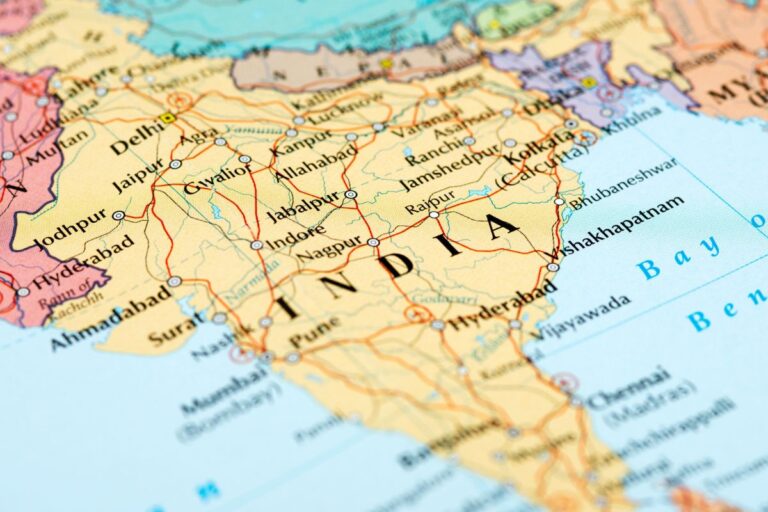
Kandla Port is located in the Kutch district of Gujarat, near Gandhidham, on the Kandla Creek of the Gulf of Kutch. Its sheltered creek location is one of the reasons the port became an important maritime facility. Official port documents describe Deendayal Port as an all-weather port, with the surrounding geography providing protection from adverse wave conditions. The port is strategically positioned on India’s western coast and has access to a large hinterland that includes Gujarat as well as states such as Rajasthan, Madhya Pradesh, Uttar Pradesh and Haryana.
Why Is Kandla Port Strategically Important?
Its location provides relatively direct maritime access to markets in the Middle East and other international trading regions. The port authority describes Deendayal Port as a gateway to the vast hinterland of northwestern India. This combination of a western-coast location, a large hinterland and extensive cargo-handling infrastructure has helped Kandla develop into one of India’s most important commercial ports.
History of Kandla Port
The history of Kandla Port goes back to the 1930s. According to the Deendayal Port Authority, Maharaja Khengarji III of Kutch built an RCC jetty at Old Kandla in 1930/1931. The jetty could accommodate ships with a draught of up to approximately eight metres and became the foundation for the port’s later development.
Why Was Kandla Port Developed After Independence?
The development of Kandla gained particular importance following the Partition of India in 1947. Karachi Port became part of Pakistan, leaving northwestern India in need of an alternative maritime outlet. The Government of India subsequently examined options for developing another major port on the western coast. Kandla was selected because of its location and geographical advantages. The foundation stone for the new major port was laid by Prime Minister Jawaharlal Nehru on January 10, 1952. Kandla was officially declared a Major Port on April 8, 1955. Kandla Port Trust was subsequently constituted in 1964 under the Major Port Trusts Act, 1963.
When Did Kandla Port Become Deendayal Port?
The port’s official name changed from Kandla Port Trust to Deendayal Port Trust in 2017 through a Government of India notification. It is now known as the Deendayal Port Authority. Although the official name has changed, Kandla Port remains widely used when referring to the port, its location and its historical identity. For search purposes, both terms are therefore relevant:
- Kandla Port
- Deendayal Port
- Deendayal Port Authority
- Kandla Port Gujarat
What Cargo Does Kandla Port Handle?
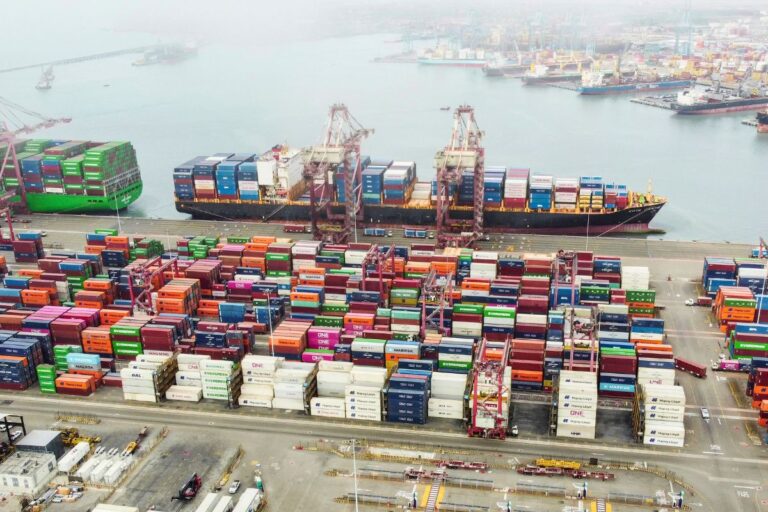
Kandla is a diversified cargo port rather than a facility dedicated to a single commodity. Its cargo profile includes both dry bulk and liquid cargo, as well as break-bulk and container traffic. Official documents list commodities including:
- Crude oil
- Petroleum products
- Coal
- Salt
- Edible oil
- Fertilizers
- Food grains
- Sugar
- Timber
- Steel and metal products
- Ores
- Cement
- Machinery
- Containerized cargo
The exact mix of cargo can change over time depending on trade patterns and industrial demand.
Also Read: Devastating Flash Floods on the Nepal-Tibet Border Leave 165+ Dead and Hundreds Missing
Crude Oil and Petroleum
Petroleum-related cargo is an important part of the port’s maritime operations. The Deendayal Port system also includes offshore oil-handling infrastructure at Vadinar, which is located in Devbhumi Dwarka district. The port authority says the offshore oil terminal was commissioned in 1978 and was developed to handle large crude-oil carriers.
Kandla Port Cargo Capacity
Deendayal Port Authority currently reports a total capacity of 261.10 MMTPA on its official website. The port has also recorded substantial growth in cargo handling over the decades. The authority’s history records that the port handled 117.57 million metric tonnes in FY 2020–21, while official documentation reports a record 127.10 million metric tonnes in FY 2021–22. More recently, the authority announced that Deendayal Port crossed the 160-million-tonne mark during FY 2025–26. These figures illustrate the port’s expansion from a relatively small post-independence facility into a major cargo-handling hub.
Kandla Port Infrastructure
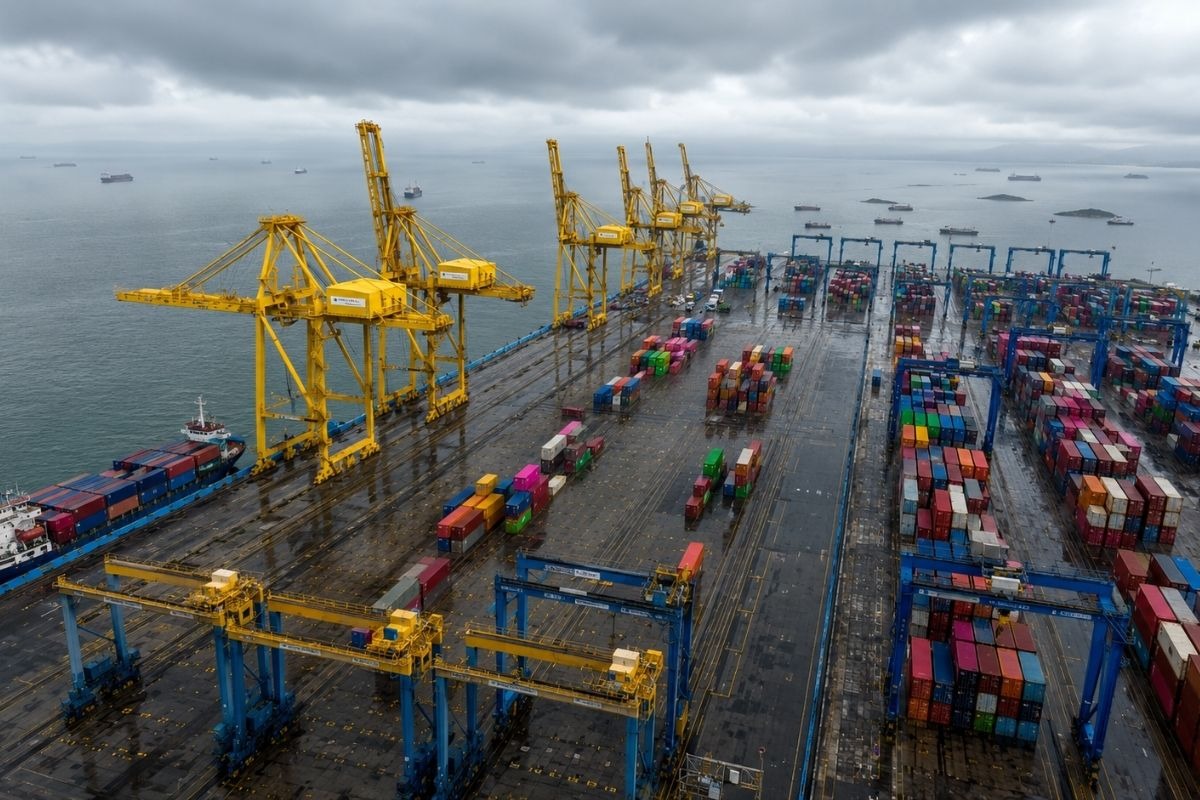
Deendayal Port has developed infrastructure for handling different categories of cargo. Official port documents describe facilities including:
- General and multipurpose cargo berths
- Container-handling facilities
- Oil jetties
- Dry-bulk facilities
- Mooring facilities
- Offshore oil terminals
- Specialised cargo-handling infrastructure
The port’s infrastructure has also expanded through public-private partnership projects. The port authority continues to develop additional infrastructure and capacity in response to increasing cargo demand.
Also Read: SGPT Normal Range: What Is a Normal SGPT (ALT) Level?
Kandla Port and India’s Trade
Kandla’s importance goes beyond Gujarat. The port serves a broad hinterland across northwestern and central India. Its connectivity with inland markets makes it an important point for the movement of imported and exported goods. The port authority identifies states including Gujarat, Rajasthan, Madhya Pradesh, Uttar Pradesh and Haryana among the regions served by its maritime trade network. This hinterland connection is one of the major reasons Kandla has remained strategically significant as India’s trade volumes have expanded.
Kandla Port vs Deendayal Port: Are They the Same?
Yes. Kandla Port and Deendayal Port refer to the same major port facility, although Deendayal Port Authority is the current official name. A simple way to understand the terminology is: Kandla Port → historical/common name Deendayal Port → current name Deendayal Port Authority → current governing port authority The official port authority itself describes Deendayal Port as the erstwhile Kandla Port.
Why Is Kandla Port Important for Gujarat?
Kandla’s location on the Gulf of Kutch has helped make it an important part of Gujarat’s maritime and industrial economy. The port connects shipping activity with industrial and agricultural markets across the region and handles a wide range of commodities. Its role is particularly important for bulk commodities such as petroleum products, crude oil, coal, fertilisers, food grains and salt, alongside other cargo categories.
Kandla Port and Green Initiatives
Modern port development is increasingly focused not only on cargo capacity but also on environmental sustainability. The Deendayal Port Authority has reported initiatives related to green port development, including work connected with alternative fuels and green hydrogen. The authority’s current website also highlights a megawatt-scale indigenous green hydrogen facility associated with Kandla Port. Such projects are part of the broader transition toward cleaner energy and more sustainable maritime infrastructure.
What Makes Kandla Port Important for the Future?
Several factors could continue to support the importance of Deendayal Port:
- Strategic western-coast location — It provides access to international maritime trade routes.
- Large hinterland — The port serves major industrial and agricultural regions beyond Gujarat.
- Diversified cargo handling — It handles dry, liquid, bulk, break-bulk and container cargo.
- Expanding capacity — The authority currently reports 261.10 MMTPA of capacity.
- Infrastructure development — New projects are being developed to accommodate changing trade requirements.
- Green-port initiatives — The port is also pursuing projects related to cleaner maritime energy.
Also Read: Donald Trump Economic War Against Iran Hits 4 Indian Firms As Sanctions
Frequently Asked Questions About Kandla Port
What is Kandla Port called now?
Kandla Port is now officially known as Deendayal Port Authority. The port was renamed Deendayal Port Trust in 2017 and is now governed as the Deendayal Port Authority.
Where is Kandla Port located?
Kandla Port is located in Kutch district of Gujarat, near Gandhidham, on Kandla Creek in the Gulf of Kutch.
When was Kandla Port declared a major port?
Kandla was declared a Major Port on April 8, 1955.
Why was Kandla Port developed?
Kandla was developed as an alternative maritime outlet for northwestern India after the Partition of 1947 resulted in Karachi Port becoming part of Pakistan.
What is Kandla Port famous for?
Kandla is known for its large-scale handling of bulk and liquid cargo, including crude oil, petroleum products, coal, fertilizers, food grains, salt and edible oil. It also handles other dry, break-bulk and container cargo.
Is Kandla Port the largest port in India?
The Deendayal Port Authority currently describes Deendayal Port as India’s largest port by cargo volume, and its website reports that the port crossed 160 million tonnes in FY 2025–26.
What is the capacity of Kandla Port?
The Deendayal Port Authority currently lists its capacity at 261.10 million metric tonnes per annum (MMTPA).
Final Takeaway
Kandla Port, now officially Deendayal Port Authority, is a major maritime gateway on India’s western coast. Its development was closely connected with the post-Partition need for a major port serving northwestern India. From the original jetty at Old Kandla in the 1930s to its current large-scale cargo-handling infrastructure, the port has evolved into an important hub for crude oil, petroleum products, coal, fertilizers, food grains, salt, edible oil and many other commodities. Its strategic location in Gujarat, extensive hinterland connectivity, expanding infrastructure and growing focus on green maritime initiatives make Deendayal Port an important part of India’s logistics and international trade network.
Sources and References
-
- Official Website and Port Statistics Deendayal Port Authority
- Deendayal Port Authority — Brief History Official Port History
- Ministry of Ports, Shipping and Waterways — Ports Wing Ministry of Ports, Shipping and Waterways
- Deendayal Port Authority — Administrative Report 2025–26