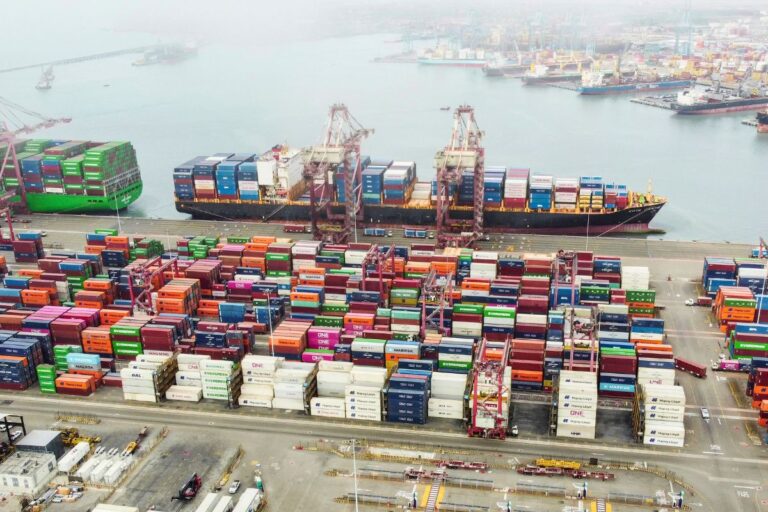
The US penalised 4 Indian firms recently. They facilitated $119 million in illicit Iranian petroleum imports. This action escalates US President Donald Trump economic war against Iran, targeting overseas intermediaries directly.
Washington aims to choke off Tehran’s global revenue lifelines. Global trade rules get complicated fast. You know, dealing with sanctioned energy markets carries massive risks.
- Four Indian companies face strict US secondary sanctions. These include Sadashiva Overseas, PP Softtech, Prakrutees Infra Impex, and Portease Partners.
- The Treasury identified roughly $119 million in Iranian imports. The shipments involved petroleum and petrochemical products across designated firms.
- Sanctions belong to a broader Washington initiative. The campaign aims to sever Iran’s international financial connections.
- Three Indian executives faced personal blacklisting. They lost direct access to the US financial system.
- Enforcement adds friction to US-India trade ties. It highlights real perils for third-country businesses dealing with Tehran.
What Triggered The US Crackdown?
The US Treasury launched fresh secondary sanctions recently. The State Department joined under Operation Economic Outcast. Washington made its rules clear. Firms doing business with Iranian energy producers risk swift punishment. They lose complete access to the American financial market.
Treasury officials described this offensive as an economic push. It tightens the financial vice around Tehran. Actions extend far beyond Iranian state entities. Washington hunts down international intermediaries continuously. The goal remains simple. They want to eliminate commercial bridges for Iranian oil. That stops Tehran from converting petrochemicals into foreign currency.
Indian companies maintained small commercial links with Iranian suppliers. India relies on imported energy for industrial growth. It imports over 85% of its crude oil needs. Middle East suppliers account for nearly 45% of those imports. Still, Washington’s measures send a sharp warning to global traders. Engaging with Iranian oil brings severe financial pain. Even complex offshore routes get tracked down quickly.
| Energy & Sanctions Context | Statistical Value | Market Impact |
|---|---|---|
| India Crude Import Dependency | 85.7% of total demand | High reliance on foreign energy sellers |
| Middle East Supply Share | 44.5% of Indian imports | Vulnerability to regional trade disruptions |
| Iranian Export Loss (Global) | ~1.5 million barrels/day | Result of historical US secondary enforcement |
| Global Blacklisted Entities | 60+ ships, firms, people | Targets across India, China, and Hong Kong |
Table Source: Indian Ministry of Petroleum & Natural Gas and US Treasury Reports (August 2026).
The numbers in that table show India’s massive energy requirements. Importers look for cheap crude everywhere. Yet breaking global sanctions carries a steep price.
The Four Indian Companies In The Crosshairs
The State Department highlighted four India-based commercial enterprises. They designated three Indian business executives too. Official releases show three firms handled $119 million in shipments. These transactions occurred between May 2023 and February 2026. The fourth firm served as a customs clearing broker.
Also Read: Top 10 Manufacturing Companies in India You Should Know in 2026
Let’s be real, tracking offshore trade is difficult. Here is a closer look at the specific entities involved:
- Sadashiva Overseas Limited: The Treasury accused the firm of importing $69 million. The Iranian petroleum shipments occurred between February 2024 and June 2025. Some deals linked to Dubai-based Bonjoure Commodity FZE.
- PP Softtech Private Limited: Flagged for importing $25 million in Iranian products. These activities ran between January 2024 and June 2025. Director Prashant Garg faced personal sanctions.
- Prakrutees Infra Impex India Private Limited: Alleged to have imported $25 million in shipments. The trade occurred between May 2023 and February 2026. The firm relied on secondary trading networks.
- Portease Partners LLP: An India-based customs brokerage firm facilitated multiple imports. They cleared Iranian petrochemical products into Indian ports. Designated partners Indrismiya Ashrafmiya Sheikh and Harish Ramachandra Rangi were blacklisted.
| Targeted Entity | Entity Type / Role | Transaction Value | Timeframe Covered | Key Individuals Sanctioned |
|---|---|---|---|---|
| Sadashiva Overseas Ltd | Petroleum Importer | ~$69 Million | Feb 2024 – Jun 2025 | None listed |
| PP Softtech Pvt Ltd | Petroleum Importer | ~$25 Million | Jan 2024 – Jun 2025 | Prashant Garg (Director) |
| Prakrutees Infra Impex Pvt Ltd | Petroleum Importer | ~$25 Million | May 2023 – Feb 2026 | None listed |
| Portease Partners LLP | Customs Brokerage | Multiple Shipments | Ongoing Facilitation | Indrismiya Sheikh & Harish Rangi |
Table Source: Compiled from US Department of the Treasury and US Department of State official press releases (August 2026).
The total import value reached roughly $119 million. That is a huge sum for small private companies. Compliance checks failed somewhere along the line.
Broader Economic And Diplomatic Consequences
Including Indian firms creates friction between New Delhi and Washington. Diplomatic balance takes effort. India balances strategic ties with the US alongside Middle East interests. Two-way US-India trade exceeds $190 billion annually. Private firms cannot risk losing access to American buyers.
Indian businesses using US dollars face major risks now. Western banking channels and shipping insurance will block them. Secondary sanctions cut off offending banks completely. Any bank processing funds for designated firms loses US system access. Indian financial institutions will freeze linked accounts quickly. They must avoid regulatory contagion at all costs.
New Delhi has maintained non-aligned trade policies historically. It exports agricultural items and medicines to Tehran. It also maintains transit access via Iran’s Chabahar port. Yet private Indian energy traders face a hard choice. They must weigh short-term oil discounts against Western market access. Losing Western trade cuts off long-term growth.
How Has Iran Responded To Trump Economic War Sanctions?
Tehran denounced the sanctions campaign quickly. Official statements called Washington’s actions illegal under UN principles. Iranian officials argue that economic measures hurt civilian welfare. Oddly enough, sanctions rarely stop trade completely.
Iran’s Ministry of Economy spoke out recently. Officials claimed readiness to absorb economic pressure using contingency plans. Iranian parliamentary leaders insisted Asian partners would keep trading. They expect trade ties to survive despite Washington’s warnings.
The reality on the ground stays difficult for Tehran. With 60 entities blacklisted across Asia, export routes shrink. The designated targets include ships across India, China, and Hong Kong. Iran’s main channels for crude oil exports continue to contract.
Strategic Lessons For International Businesses
This sanctions round proves Washington tracks small private traders. Logistics facilitators get targeted too. Complex supply chains no longer hide origin details. Third-party brokers cannot shield buyers from scrutiny.
For global compliance teams, the lesson stays plain. Robust due diligence procedures are essential now. Companies must audit customs brokers, freight forwarders, and suppliers. Failing to trace energy origins brings sudden financial isolation. Asset freezes and reputational damage follow rapidly.
Also Read: Tata Sons Chairman Resigned: N Chandrasekaran 40-Years Remarkable Legacy And Beyond February 2027
Frequently Asked Questions
Why Did The US Sanction These Four Indian Companies?
The US targeted the firms for facilitating Iranian petroleum shipments. These transactions violated US secondary sanctions designed to cut Tehran’s revenues.
What Is Operation Economic Outcast?
It is a US Treasury enforcement campaign. It severs Iran’s financial networks by targeting secondary intermediaries and foreign buyers.
Are Indian State-Owned Oil Companies Affected By These Sanctions?
No. Designations strictly targeted four private companies and three executives. State refiners stopped buying Iranian crude when US waivers expired in 2019.
Can Indian Companies Still Trade Non-Sanctioned Goods With Iran?
Yes, non-sanctioned trade like tea, rice, and medicine remains legal. However, completing payments remains hard due to severe banking restrictions.
Who Are The Three Indian Individuals Designated By The US Treasury?
The sanctioned individuals are Prashant Garg of PP Softtech. Indrismiya Ashrafmiya Sheikh and Harish Ramachandra Rangi of Portease Partners were designated too.
Sources & References
- US Department of the Treasury. (August 2026). Press Release on Operation Economic Outcast and Sanctions Designations.
- US Department of State. (August 2026). Official Statement on Countering Iranian Energy Exports and Regional Proliferation.
- The Economic Times. (August 2026). Four India-based companies engulfed in Trump’s economic offensive against Iran.
- Financial Express.(August 2026). US sanctions Indian firms over $119 million in alleged Iran petroleum deals.
- Business Today. (August 2026). $119 mn in Iranian oil trade: US sanctions four Indian firms, three nationals under Trump’s economic offensive.
Disclaimer: This article is provided strictly for general informational and educational purposes only and does not constitute financial, legal, investment, or professional business advice. It is not intended for the promotion of any commercial entities, commodities, or trading practices mentioned herein. Readers are strongly advised to independently verify all facts, statutory regulations, and sanctions compliance data, and to consult with qualified legal or corporate financial professionals before making any decisions related to international trade or business investments.