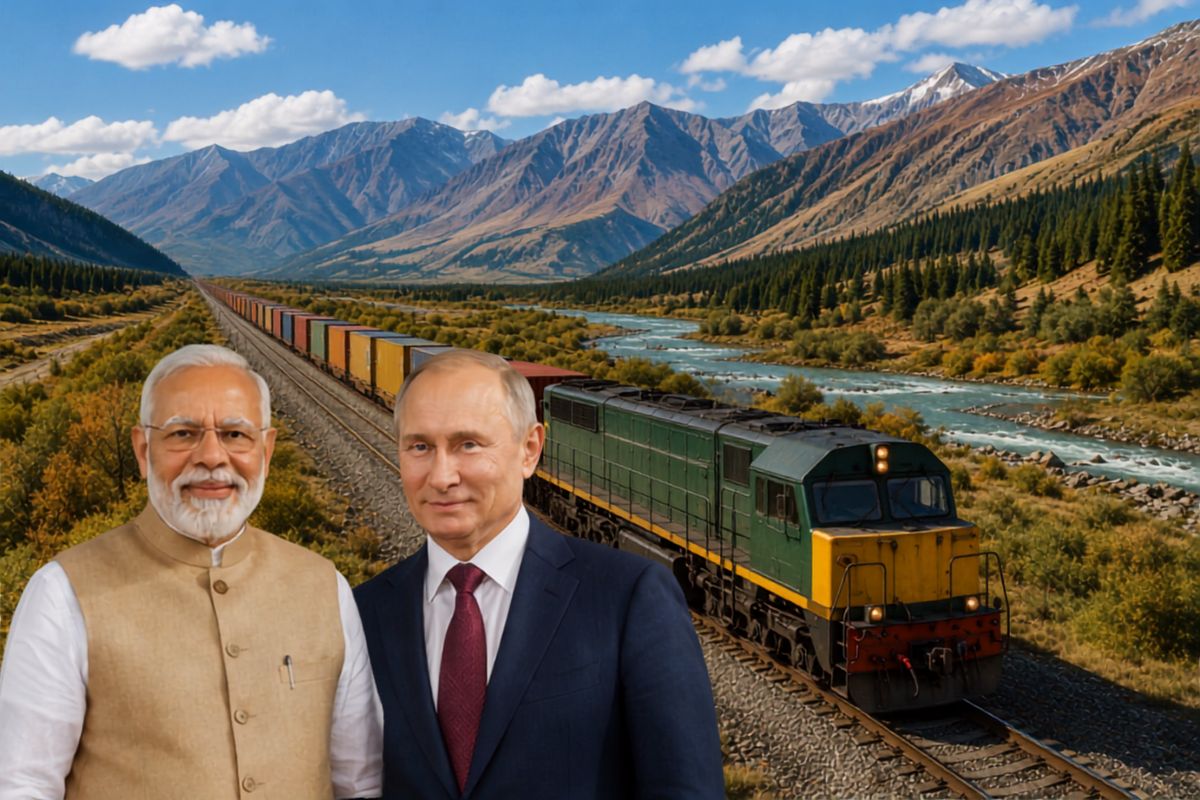
The proposed Russia rail link to India is a strategic overland freight corridor designed to dramatically boost bilateral commerce between Moscow and New Delhi. Spanning Central and South Asia to the Indian Ocean, this direct railway offers a secure, high-speed alternative to vulnerable maritime chokepoints.
Global supply chains face mounting stress from geopolitical friction, making traditional sea routes increasingly risky. In response, Russian officials recently confirmed plans to move heavy freight, energy supplies, and raw materials entirely over land. By bypassing naval bottlenecks like the Bosphorus and the Strait of Hormuz, both nations aim to establish a reliable, crisis-proof trade pipeline.
- Chokepoint Protection: The initiative protects trade from naval blockades. It insulates commerce from military conflicts. Passage through Hormuz feels too risky now.
- Potential Transit Routes: Proposals suggest upgrading tracks through Turkmenistan and Iran. Lines might cross Afghanistan and Pakistan. The goal is reaching Indian Ocean ports.
- Surging Bilateral Trade: India buys record amounts of Russian crude oil. Russian crude makes up nearly 55% of imports. Shipments of fertilisers, coal, and oil keep rising.
- Building on the INSTC: The plan expands the 7,200 km INSTC network. It turns broken sea routes into solid railways. That is a massive infrastructure upgrade.
- Infrastructure Obstacles: Huge hurdles still stand in the way. Different rail gauges create technical headaches. Steep mountain tracks cost serious money. Complex regional politics create delays.
Why Maritime Chokepoints Are Forcing A Strategic Pivot
Shipping lanes carried global trade for decades. They were reliable for a long time. Recent global conflicts changed that dynamic. Key sea passages became dangerous bottlenecks. One small blockade breaks entire trade networks.
Russian Deputy Prime Minister Marat Khusnullin spoke out. He discussed logistics strategy with news agency TASS. Rising risks around Hormuz demand new answers. Land routes provide essential economic stability now. Countries cannot wait for sea conflicts to resolve.
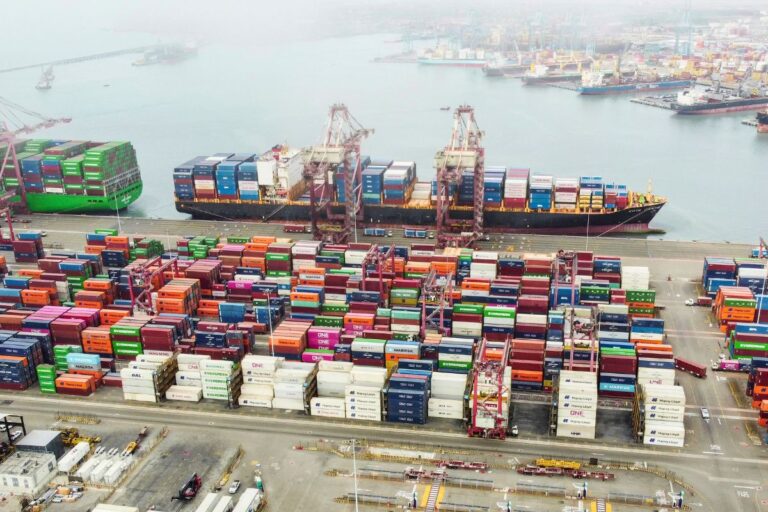
Turkey controls the narrow Bosphorus passage. It connects Black Sea ports to global trade. Fighting in the Black Sea threatens cargo ships. Meanwhile, Hormuz handles 21 million oil barrels daily. That equals 21% of global petroleum traffic. Naval standoffs make sea transport scary for India. Relying on one narrow gap feels foolish.
Rerouting ships around Africa adds two whole weeks. Extra fuel costs hit $1 million per voyage. Marine insurance rates spike fast as well. A secure land corridor solves these headaches. It bypasses ocean choke points completely. Honestly, that saves time and money.
Mapping The Proposed Russia Rail Link To India
Planners are studying several overland paths. They want to link Russian factories with Indian ports. Central Asian routes offer the best options right now. Engineers map out tracks through rugged landscapes.
The Eastern INSTC route looks most ready. It runs south from Russia through Kazakhstan. It crosses Turkmenistan straight into eastern Iran. Cargo hits Iranian rail terminals at the coast. Goods move to ports like Chabahar or Bandar Abbas. Ships then cross the Arabian Sea to India. They dock at Nhava Sheva or Mundra ports.
Also Read: Top 10 Manufacturing Companies in India You Should Know in 2026
Russian leaders want fully direct rail lines. Proposals include building tracks across Turkmenistan and Iran. Routes through Afghanistan and Pakistan are being considered. A continuous line faces diplomatic obstacles, you know. Still, expanding rail access to Iranian ports works great. It creates a solid physical shortcut.
India remains deeply committed to Chabahar Port. New Delhi signed a ten-year operational management deal. They view Chabahar as a crucial commercial bridge. It connects India straight into Central Asia. Linking Chabahar to railways completes the logistics loop.
The Economic Driver: Expanding India-Russia Commerce
Trade between Moscow and New Delhi is booming. Bilateral trade hit a record $65 billion recently. That massive growth justifies building expensive rail tracks. Energy, farming, and raw materials drive the surge. Money talks louder than logistics complications.
India is now Russia’s second-biggest crude buyer. Russian crude imports hit 1.6 million barrels daily. That covers 55% of India’s total oil imports. India also buys millions of tons of coking coal. Huge shipments of fertilisers and sunflower oil arrive monthly. Industrial buyers need these supplies delivered reliably.
Moving heavy bulk goods by sea feels risky. Ocean freight rates swing wildly during global crises. Naval blockades can freeze supply chains overnight. Trains running on tracks slash travel time drastically.
St Petersburg to Mumbai by sea takes 35 days. Some ships need 45 days during Suez delays. INSTC trains complete the journey in 12 days. At most, rail takes about 18 days. That speed cuts holding costs. It boosts cash flow for businesses on both sides.
Also read: IndiGo Flight Declares Full Emergency at Chennai Airport After Left Engine Snag, Oil Leak
Comparing Primary Trade Routes Between Russia And India
Check out the comparison table below. It compares traditional sea lanes against rail networks.
| Transport Route | Primary Transit Modes | Key Chokepoints & Risks | Average Transit Time | Operational Status |
|---|---|---|---|---|
| Traditional Maritime Route | Container ships via Suez or Cape | Bosphorus, Suez Canal, Hormuz | 35 – 45 Days | Active; vulnerable to naval conflicts |
| INSTC Multimodal Network | Sea, Rail, Road via Iran | Border clearance, missing rail gaps | 18 – 25 Days | Partially active along Eastern route |
| Proposed Overland Rail Link | Continuous Rail across Asia | Gauge changes, political friction | 12 – 15 Days | Under technical and strategic review |
Table Source: International North-South Transport Corridor Operational Study & Eurasian Development Bank Data.
Engineering Hurdles And Geopolitical Realities
Building a continuous railway bridge is not easy. Planners face severe technical and political barriers. Turning maps into physical tracks takes years.
Railway track gauges cause major technical headaches. Russia uses broad 1520 mm track gauge. Iran runs on standard 1435 mm tracks. India and Pakistan use 1676 mm broad gauge. Trains must swap wheels at international borders. Workers transfer containers onto different wagons. That adds extra labor costs and delay.
Diplomatic alignment creates another big headache. A continuous line needs total cross-border cooperation. Afghan security risks complicate route planning. South Asian political friction creates endless delays.
Western economic sanctions make project funding tricky. Sanctions hit both Russian and Iranian banks hard. Participating nations must build custom payment systems. These mechanisms must operate outside Western banking channels.
Frequently Asked Questions
Why Is Russia Exploring A Rail Link To India?
Russia wants to shield trade from naval blockades. High marine insurance fees hurt profits. Rail routes bypass dangerous passages like Hormuz and Bosphorus.
Which Countries Would The Proposed Railway Pass Through?
Main proposals cross Kazakhstan, Turkmenistan, and Iran. Planners are also evaluating paths through Afghanistan and Pakistan.
Is There Currently A Direct Passenger Train Between Russia And India?
No, there is no passenger service. The project focuses purely on freight transport. Industrial cargo gets top priority.
How Does This Proposed Rail Corridor Differ From The INSTC?
The INSTC uses ships, trucks, and trains together. This new proposal builds dedicated, continuous railway lines. It cuts out sea legs entirely.
How Much Transit Time Can An Overland Rail Route Save?
Overland trains take 12 to 18 days. Sea routes take 35 to 45 days. That saves up to three full weeks.
Sources & References
- Ministry of Ports, Shipping and Waterways, Government of India. India signs 10‑year agreement to operate Chabahar Port. GOV.IN Press Release. (2026, June 10).
- Eurasian Development Bank. Transport corridors of Eurasia: INSTC operational study and rail integration prospects. EDB Infrastructure Report. (2026, May 18).
- TASS Russian News Agency. Deputy Prime Minister Marat Khusnullin outlines Russia’s logistics strategy to bypass maritime chokepoints. TASS International News. (2026, May 5).
- International North–South Transport Corridor Secretariat. INSTC status update: Multimodal freight flows and rail connectivity gaps. INSTC Official Report. (2025, December).
- Wikipedia. International North–South Transport Corridor. In Wikipedia. (2026).
Disclaimer: This article is published strictly for general informational and educational purposes only and is not intended for promotion or commercial endorsement. The content does not constitute professional investment, trade, or political advice. Readers are urged to independently verify all facts, economic projections, and route operational statuses, and should seek professional expert advice before taking any action based on this information.