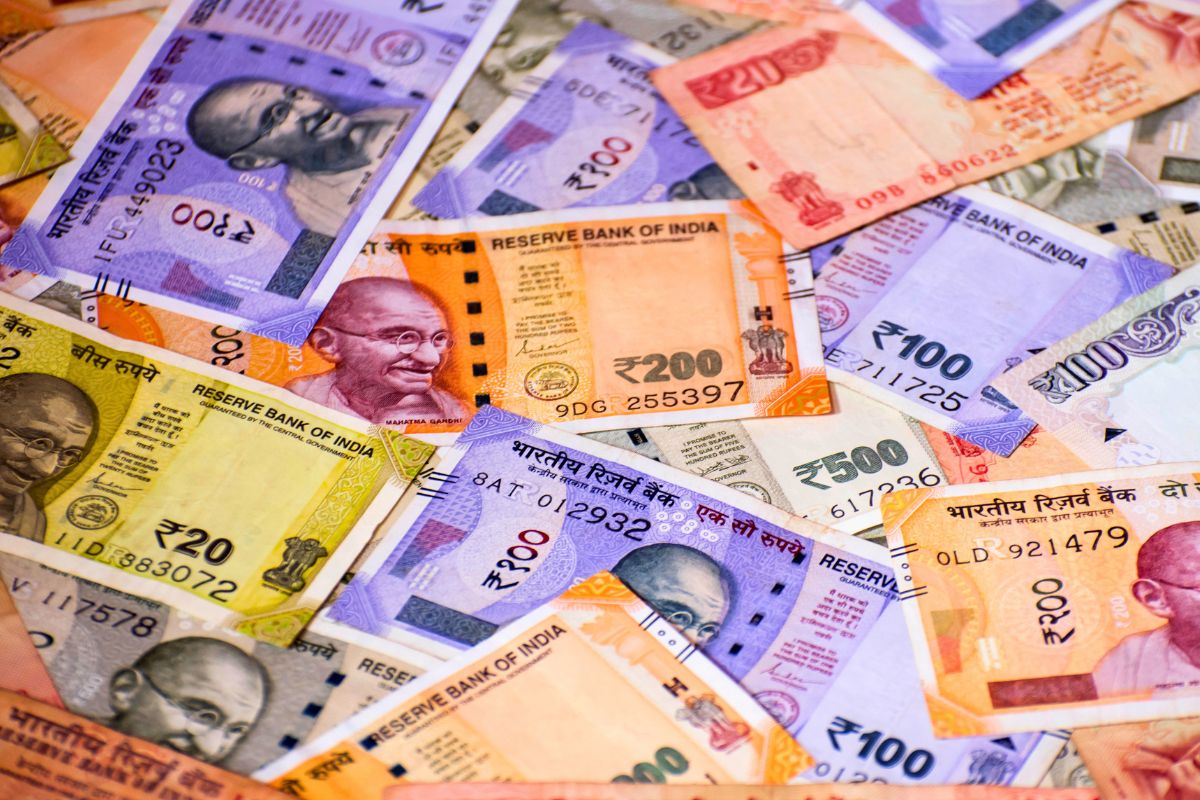
The Reserve Bank of India (RBI) is transitioning from paper to plastic currency, with field trials for polymer ₹10 and ₹20 notes scheduled for late 2026 or early 2027. Following Ministry of Finance approval, this initial trial will evaluate two billion notes before any nationwide rollout.
If you have ever pulled a soggy, frayed ten-rupee note out of your pocket after a sudden monsoon downpour, you already know why India’s central bank wants a change. For years, commuters, hawkers, and banking professionals have been curious about the RBI’s polymer note experiment and when these new plastic notes will start appearing in daily transactions across India.
The long-awaited answer moved a major step closer when the Ministry of Finance formally cleared the Reserve Bank of India’s proposal to field-test plastic-based banknotes. However, if you are expecting your local ATM to start dispensing crisp synthetic notes tomorrow morning, you might need to hold onto your wallet a bit longer.
The transition is very much a trial run rather than an overnight overhaul, designed to see whether plastic money can survive India’s demanding climate and intense daily usage.
What The Government Clearance Actually Means
The Centre’s clearance gives the green light to a massive real-world experiment that has been in the pipeline for over a decade. Under Section 25 of the RBI Act, 1934, the government authorised the RBI to issue two billion polymer banknotes for field testing. The trial focuses exclusively on two of India’s most heavily used small-denomination bills: one billion pieces of ₹10 notes and one billion pieces of ₹20 notes.
An earlier attempt in 2013 to test polymer ₹10 notes across five cities—Kochi, Mysore, Jaipur, Shimla, and Bhubaneswar—stalled due to logistical and technical hurdles. This time, the central bank is taking a far more comprehensive approach.
Crucially, the government made one thing clear in Parliament: this is not a demonetisation or a complete currency replacement. Polymer notes will circulate right alongside traditional cotton-rag paper notes. There is currently no proposal to scrap paper currency entirely.
To prepare for the rollout, the RBI’s printing subsidiary, Bharatiya Reserve Bank Note Mudran Private Limited (BRBNMPL), floated a global Expression of Interest for 68,000 reams of Biaxially Oriented Polypropylene (BOPP) substrate. Split evenly at 34,000 reams per denomination, each ream contains 500 sheets of opacified plastic film.
This initial procurement covers only the trial phase, meaning wider production will only happen if these test batches hold up under scrutiny across India’s 18 regional RBI issue offices and vast network of bank currency chests.
ALSO READ: First Time? Here’s How to Apply for a Passport Online in India (2026)
The Lifespan Math: Why Switch To Plastic?
Why go to all this trouble when digital payments via UPI are booming? The short answer comes down to durability, public hygiene, and long-term printing costs.
Lower-denomination notes in India take a severe beating. A ten-rupee bill passes through dozens of hands every week—from tea stalls and bus conductors to temple donation boxes and roadside vegetable markets. As a result, paper ₹10 and ₹20 notes often wear out in under 12 to 18 months, forcing the central bank to print billions of fresh notes every year just to replace soiled and torn ones.
According to international studies cited by the RBI, polymer banknotes last between 2.5 to 4 times longer than standard cotton-paper notes. Though polymer substrates cost about 20% to 24% more to manufacture initially, their extended lifespan yields massive long-term savings in printing, transportation, sorting, and disposal.
Consider the underlying numbers. In the 2025–26 financial year, the RBI spent ₹4,875 crore on printing currency. Even though printing costs dropped by roughly 24% year-on-year due to lower printing requirements, cash demand remains staggering. Currency in circulation hit ₹41.23 lakh crore by March 2026, marking a 12% annual increase. This is also why policymakers are simultaneously expanding digital withdrawal options linked to UPI and ATM-based access.
With the ₹500 note making up 86% of total circulation value, small-denomination paper notes represent an ongoing logistical headache of constant printing, sorting, and shredding. Plastic notes dramatically reduce that operational churn.
There is also a public health angle. Cotton-paper notes absorb sweat, grease, and bacteria, making them notorious vectors for germs. Polymer notes, by contrast, are non-porous and dirt-resistant. When they eventually reach the end of their lifecycle, worn polymer notes can be melted down and recycled into plastic products, whereas soiled paper currency must be shredded and incinerated.
Cotton-Paper vs. Polymer Banknotes: Head-to-Head Comparison
| Feature / Metric | Traditional Cotton-Paper Notes | Polymer (Plastic) Substrate Notes |
|---|---|---|
| Base Material | 100% Cotton Rag & Linen Fibres | Biaxially Oriented Polypropylene (BOPP) Film |
| Average Lifespan (Small Denominations) | 1.0 to 1.5 Years | 4.0 to 6.0 Years |
| Moisture & Dirt Resistance | Low (Porous; absorbs moisture, oils, and bacteria) | High (Non-porous; repels water, sweat, and grease) |
| Relative Manufacturing Cost | Standard Baseline (~100%) | ~20% to 24% Higher Initial Unit Cost |
| End-of-Life Disposal | Shredded and Incinerated / Sent to Landfill | Melted and Recycled into Plastic Products |
| Anti-Counterfeit Safeguards | Watermarks, Security Threads, & Micro-Text | Clear Transparent Windows, Optically Variable Ink, & Shadow Images |
| Thermal & Heat Limit | Tolerates High Heat (Up to 100°C+) | Risk of Warping under Extreme Direct Heat (>60°C or Ironing) |
Table Source: Reserve Bank of India (RBI) Banknote Research Reports, Bank of England Substrate Data, and BRBNMPL Technical Tenders.
The Ultimate Stress Test: Dust, Sweat, And Monsoon Heat
Switching substrate materials is far more complex than just exchanging paper for plastic. Polymer notes have succeeded brilliantly in countries like Australia (which pioneered the technology in 1988), the UK, Canada, Vietnam, and Singapore. But India’s environmental conditions present a unique, brutal stress test.
During field trials, these synthetic notes will endure extreme environmental testing across India’s diverse climate zones. They must withstand scorching heat above 45°C in Rajasthan, high coastal humidity in Kerala and Mumbai, fine dust in the northern plains, and relentless crumpling in tight pockets.
Unlike paper, polymer notes do not absorb moisture, oils, or sweat. They stay cleaner and resist tearing, supporting the RBI’s long-standing Clean Note Policy. However, earlier global trials revealed potential flaws: polymer notes can stick together in intense heat or feel slippery during rapid manual counting.
Testing how Indian cashiers, street vendors, and automated sorting machines handle two billion plastic notes will reveal whether polymer can truly survive Indian everyday life.
Embedded Security And Strict Sourcing
Beyond physical toughness, polymer currency provides a massive leap in anti-counterfeiting technology. The production process begins with a clear, flexible polypropylene film that is coated with opaque ink layers, leaving specific transparent areas intact. This allows banknote printers to incorporate complex security features that are virtually impossible to replicate on home printers or traditional offset presses.
The BRBNMPL tender specifies high-tech safeguards for the trial notes. These include a clear transparent window featuring a detailed portrait, metallic numerals, a magnetic pseudo-thread, shadow images, and iridescent colour-shifting patterns. It also includes raised tactile markings to help visually impaired citizens identify denominations easily.
National security considerations surrounding procurement are equally strict. Global substrate suppliers must guarantee that their India-bound manufacturing is completely firewalled from operations in China or Pakistan. Bidders cannot source raw materials from those nations, nor can they employ personnel with previous work history there.
Bidders must also have at least three years of experience supplying polymer substrates to major central banks. The RBI is taking zero chances with the integrity of India’s physical money supply.
So, When Will You See Polymer Notes In Your Wallet?
So, when can you actually expect to see these new notes in your hands?
The short answer: likely towards the end of 2026 or early 2027 for the initial trial batches, with full-scale nationwide adoption several years away—if it happens at all.
Floating global tenders, vetting international suppliers, importing 68,000 reams of substrate, and printing two billion notes will take several months of groundwork. Once printed, the notes will be distributed gradually to select regions to observe performance across different seasons and working conditions.
The RBI will monitor how fast the notes degrade, how the public responds, and whether automated cash deposit machines accept them without errors. Modern banking systems increasingly depend on accurate KYC-linked records and seamless integration between cash handling and digital financial infrastructure. Only after analysing months of field data will the central bank decide whether to roll out polymer notes to higher denominations like ₹50 or ₹100.
In the meantime, physical cash and digital UPI payments will continue to exist side by side. Polymer currency is not meant to replace digital transactions, but rather to ensure that the physical cash remaining in circulation is cleaner, tougher, and significantly cheaper to maintain over the long run.
FAQs
When Will The RBI Start Field-Testing Polymer Notes, And Which Denominations Are Involved?
The RBI plans to field-test two billion polymer ₹10 and ₹20 notes starting in late 2026 or early 2027.
Will Traditional Paper Currency Be Demonetised Or Phased Out During The Trial?
No, this is not a demonetisation; polymer notes will circulate alongside traditional cotton-paper notes with no plans to scrap paper currency.
What Are The Primary Benefits Of Switching From Paper To Polymer Banknotes?
Polymer notes last 2.5 to 4 times longer, resist moisture and dirt, lower long-term printing and operational costs, and are recyclable.
What Security Features Will Be Embedded Into The New Plastic Notes?
The notes will feature a clear transparent window, metallic numerals, a magnetic pseudo-thread, iridescent colour-shifting patterns, and raised tactile markings for visually impaired individuals.
Sources & References
- Ministry of Finance, Government of India. Government clearance for RBI polymer banknote field trials under Section 25 of the RBI Act, 1934. Government of India Press Release. (2026, March)
- Reserve Bank of India. Annual report 2025–26: Currency management and printing costs. Reserve Bank of India Publications. (2026, March)
- Wikipedia. Indian rupee. In Wikipedia. (2026)
- Reserve Bank of India. Pilot introduction of polymer ₹10 notes in select cities. RBI Notifications Archive. (2013).
Disclaimer: The information provided in this article is strictly for educational and general informational purposes only and is not intended for commercial promotion or endorsement of any banking entity or policy. Readers are advised to consult official Reserve Bank of India notifications or relevant regulatory disclosures for direct monetary updates.