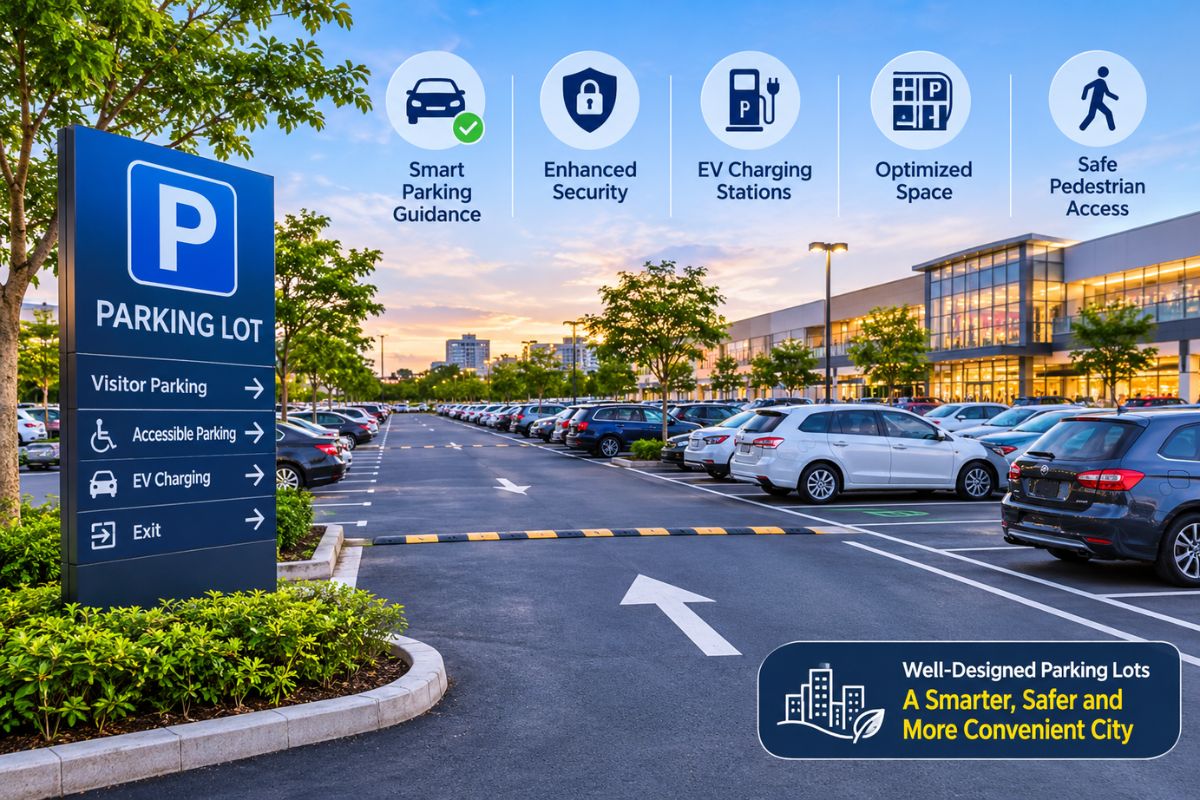
Drivers pull into a mall. They want a spot. The trip starts right here. Lots get ignored by most. People treat them as waste dirt. That is a mistake. These spaces matter a lot. They set the tone for trips. Urban studies show clear facts. Drivers spend 17 minutes for spots. Smart design boosts slot counts by 20 percent. Retail hubs lose sales on failures. Good spaces draw crowds in. Bad lots repel buyers. Urban areas dedicate roughly 30 percent of land to cars. Pavement covers huge zones. Asphalt absorbs heat fast. Cities bake under the sun.
Trees block the glare. Shade cools parked cars down. Pavement needs proper care. Cracks form in winter frost. Water seeps through tiny gaps. Ice expands the cracks. Crews patch holes each spring. Asphalt costs millions to lay. Budget plans include repairs. Municipal codes mandate parking minimums. Stores build huge lots. Many spots sit empty most days. Holidays bring peak crowds. Spaces fill up fast then.
Traffic backs up to streets. Cars block local roads. Drivers honk horns in rage. Police manage the mess. Urban planners rethink these rules. New zoning laws cut minimums. Transit links reduce car dependence. Bike racks take space instead. Changes sweep across towns.
A good lot does more. It moves cars with ease. It keeps people safe. Land gets used right. Customers feel happy. Property value goes up. This science is real. Let us look at facts. City planners study traffic daily. Architects draft wide lanes. Safety experts check blind spots. Every inch counts on site. Surveyors measure plot boundaries. Soil tests check ground strength. Heavy trucks roll on site. Concrete pads support dumpsters. Lights illuminate dark corners. Fences secure the perimeter. Gates lock at midnight. Security guards walk patrols.
Cameras record every row. Data feeds security desks. Alarms sound on break-ins. Staff monitor all shifts. Systems log car plates. Logs track entry times. Exit gates open on payment. Cash registers count fees. Receipts print on thermal paper. Customers take slips. Slips prove payment was made. Barriers lift up high. Cars drive out fast. Traffic flows away smoothly.
What Makes a Parking Lot Work Efficiently?
Efficiency means balance. Capacity is a minor goal. Good flow matters most. Take a big retail store. Cars jam the gates. Drivers circle for hours. Markings fade out. People get mad quick. Frustration ruins shopping trips. Time gets wasted daily. Shoppers drive home angry. Stores lose loyal clients. Profit margins shrink down. Management notices the drop. Consultants review site plans.
Engineers suggest new routes. One-way lanes fix jams. Stop signs halt cross traffic. Speed bumps slow racers down. Pedestrians cross in safety. Walkways have bright paint. Signs point to exits. Drivers find paths fast. Stress levels drop down. Smiles return to faces. Shopping bags fill trunks. Cars exit the lot. New cars take spots. Turnover happens fast. Sales numbers climb back up. Revenue records break. Bosses smile at data.
Planning needs three steps. Cars enter the property. Cars park in slots. Cars leave the site. These parts must mesh. Smooth operations follow. Traffic moves without snags. Gate systems block jams. Exit lanes clear quickly. Drivers reach open roads. Planners map entry gates. Streets connect to lots. Turn lanes absorb queues. Queues stay off main roads. Cars turn off street lanes. Brakes screech on asphalt.
Indicators blink left. Cars enter drive aisles. Aisles lead to bays. Drivers spot open stalls. Steering wheels turn hard. Tires grip the pavement. Reverse gears engage now. Mirrors check blind spots. Back bumpers clear curbs. Front wheels align straight. Engines idle in park. Drivers kill the ignition. Doors open wide. Feet step on asphalt. Keys lock the doors. Shoppers walk toward stores. The cycle ends here.
Parking Lot Design: Why Layout Matters More Than Capacity
Layout shapes driver habits. Spaces fit odd shapes. Vehicle types change needs. Traffic volume dictates size. Perpendicular parking is standard. Angled slots work too. Parallel stalls fit streets. Each layout takes space. Manoeuvring needs ample room. Drivers park with ease. Compact cars fit small bays. SUVs need extra width. Trucks demand long stalls. Vans require high clearance. Roof racks hit low beams. Concrete pillars block views. Drivers twist their necks. Backup cameras help a lot. Sensors beep on close calls. Beeps warn drivers fast. Brakes slam down hard. Collisions get avoided.
Drawings miss vital details. Aisles need proper widths. Turns require clear paths. Walkways protect foot traffic. Emergency trucks need access. Rainwater needs drainage. Rules dictate access needs. Slopes prevent water pools. Curbs guide wheel turns. Signs mark blind spots. Water flows to drains. Grates catch leaf trash. Pipes carry rain away. Storm sewers take runoff. Oil filters trap grease.
Grease harms local creeks. Environmental laws demand checks. Fines punish bad sites. Inspectors visit lots. Violators pay big fees. Compliance keeps parks green. Trees grow in islands. Soil feeds tree roots. Leaves drop in autumn. Crews rake the mess. Mulch retains damp soil. Irrigation lines water plants. Greenery softens hard concrete. Birds nest in branches.
Surface lots suit open land. Multilevel builds fit tight spots. Underground vaults save space. Robots stack cars today. Mechanical systems store vehicles. Proper standards guide choices. Engineers test load limits. Materials last for many years. Asphalt withstands heavy weight. Steel beams hold floors. Concrete slabs cure slowly. Pillars bear heavy loads. Elevators lift cars up. Turntables spin vehicles around.
Drivers exit drop zones. Robots grab wheel tyres. Lifts slide cars home. Empty bays store rides. Retrieval takes two minutes. Buzzers ring out loud. Cars roll down ramps. Owners claim their rides. Technology speeds up parking. Space use hits peaks. Land costs drop. Cities gain park zones.
Also Read: Bengaluru Road-Rage Case Takes an AI Turn After CEO Turns to Gemini
The Parking Experience Begins With Traffic Flow
Time spent driving matters. Drivers need clear cues. Entrances must show up. Directions guide the way. Exit paths must work. Confusing routes cause rage. Drivers waste fuel. Signs point drivers home. Arrows stop wrong turns. Lanes keep cars aligned. Paint shines in headlights. Reflectors glow at night. Overhead signs list rows. Row letters aid memory. Shoppers find lost cars. Key fobs beep loudly. Lights flash on horns. Cars answer the call. Drivers load trunk boxes. Families buckle seat belts. Engines roar to life. Headlights pierce the dark. Wheels roll toward gates. Payment cards clear tolls. Arms lift up high. Cars merge with street flow.
- Clear entry points.
- Visible directional arrows.
- Safe pedestrian paths.
- Clean section tags.
- Marked accessible bays.
- Good circulation routes.
Parking Lot Safety Is About More Than Security Cameras
Cameras watch the lot. Physical barriers keep people safe. Bad light hides risks. Broken asphalt trips feet. Faded paint causes crashes. Blocked paths hurt folks. Night shifts need glow. Guards patrol wide zones. Fences block stray dogs. Metal gates lock tight. Intruders stay outside. Motion sensors trip lights. Floodlights blind thieves. Shadows hide no more. Emergency phones stand tall. Red buttons call help. Dispatchers answer fast. Patrol cars roll in. Trouble gets stopped cold. Crime rates drop low. Shoppers feel secure. Parents hold kids’ hands. Seniors walk with cane sticks.
Safety needs strong traits. Lights must be bright. Lines must stay sharp. Crosswalks protect walkers. Speed limits stop racers. Access routes stay clear. Paint colours mean things. White marks set bays. Yellow flags mark danger zones. Regular checks fix flaws. Stop signs halt cars. Yield bars give rights. Speed humps slow down cars. Bumpers stop rolling tyres. Bollards block ram raids. Concrete walls shield stores. Fire hydrants stand red. Hoses reach every bay. Sprinklers protect garages. Smoke detectors sense fire. Alarms ring loudly. Evacuation routes stay clear. Exit doors push open. Safety is job one.
Also Read: NCRB Data 2020–2026: How Suicide, Dowry and Road Accident Numbers Compare in India
How Smart Technology Is Changing Parking Lots
Manual systems cost time. Tech fixes old bugs. Smart gear helps lots. Data shifts how spots fill. Sensors track empty slots. Plates scan at gates. Digital screens guide cars. Phones pay bills. Chargers power electric rides. Apps track free spots. Gates open via code. Cloud servers log data. Algorithms predict peak loads. Pricing adjusts on demand. Rates rise on busy days. Fees drop on slow nights. Drivers book spots online. QR codes scan fast. Ticker boards count slots. Red lights mean full bays. Green lights mark open spots. Drivers steer toward green. Search times drop down. Fuel burns less fast. Carbon output falls. Earth breathes a bit. Tech wins big.
Here is a data table showing space usage across common designs:
| Parking Type | Average Space per Car | Space Efficiency |
|---|---|---|
| Perpendicular | 12 square meters | High |
| Angled | 11 square meters | Medium |
| Parallel | 18 square meters | Low |
Can a Parking Lot Become a Business Opportunity?
Lots can make cash. Demand must be steady. Land costs money upfront. Operators need permits. Construction bills add up. Staff costs matter. Competition sets rates. Revenue depends on use. Prices must stay fair. Security builds trust. Feasibility studies prove worth. Investors seek high yields. Sites return cash yearly. Business plans outline goals. Banks lend loan cash. Interest rates apply. Payback takes five years. Profits fund growth. Owners buy more land. Empires scale up fast. Parking turns into gold. Cash flows in daily. Coin boxes fill up. Credit cards beep non-stop. Meters print tickets. Attendants count cash. Safe rooms lock bags. Armoured trucks pick up funds. Vaults hold profits safe. Audits check the books. Taxes get paid on time.
The Future of Parking Lots: From Vehicle Storage to Mobility Infrastructure
Cities grow large. Needs shift over time. Lots must adapt. Future hubs mix tech. EVs need power ports. Bikes share the space. Public transit links close. Storage is limited. Access rules the day. Movement defines success. Drones land on roofs. Hubs link electric cars. Solar panels top sheds. Roofs generate power. Batteries store energy. Grid demands drop down. Autonomous cars park neatly. Drivers step out early. Cars drive themselves. Empty rows fill tight. Cars pack in close. Space needs shrink down. Cities reclaim asphalt. Parks replace old lots. Grass grows green again. Trees shade walkways. People walk outdoors. Future towns thrive well.
Also Read: Ferrari Luce -The First Fully Electric Ferrari Is a 1,035 HP Five-Seat Super-Sedan
Frequently Asked Questions About Parking Lots
1. What is the main purpose of a parking lot?
A lot holds cars safely. It links roads to doors. Foot traffic flows well here.
2. What are the most common types of parking lots?
Types include surface lots. Multilevel garages exist too. Underground vaults are common. Automated systems store cars.
3. How can parking lot efficiency be improved?
Better layouts help a lot. Clear signs guide cars. Sensors track open slots. Regular upkeep keeps things smooth.
4. How does smart parking technology help?
Tech reads license plates. It tracks free spaces. Phones handle fee payments. Guidance screens save time.
5. What should be considered before starting a parking lot business?
Check local land demand. Calculate total construction costs. Secure legal permits first. Evaluate nearby rivals.
Conclusion
Lots are vital assets. They shape town experiences. Traffic depends on them. Good design changes everything. Safety keeps folks secure. Smart tools add value. Future changes loom large. Plan your spaces right. Details make success. Ignore flaws at cost. Build smart parking hubs. Cities will thank you. Drivers will cheer loudly. Commerce will thrive. The science proves true. Parking matters most.
Sources and References:
Experimental Permeable Pavement Parking Lot and Rain Garden.
Charging Electric Vehicles in Public