Quick Answer: The Cockroach Janta Party (CJP) has given Chief Election Commissioner Gyanesh Kumar 48 hours to resign, warning of nationwide protests and a proposed “Jantar Mantar 2.0” agitation. The demand follows controversy over reported objections raised by two Election Commissioners regarding electoral-roll procedures and the Special Intensive Revision (SIR).
The political controversy surrounding the Election Commission of India (ECI) has intensified after the Cockroach Janta Party (CJP) demanded Chief Election Commissioner Gyanesh Kumar’s resignation within 48 hours.
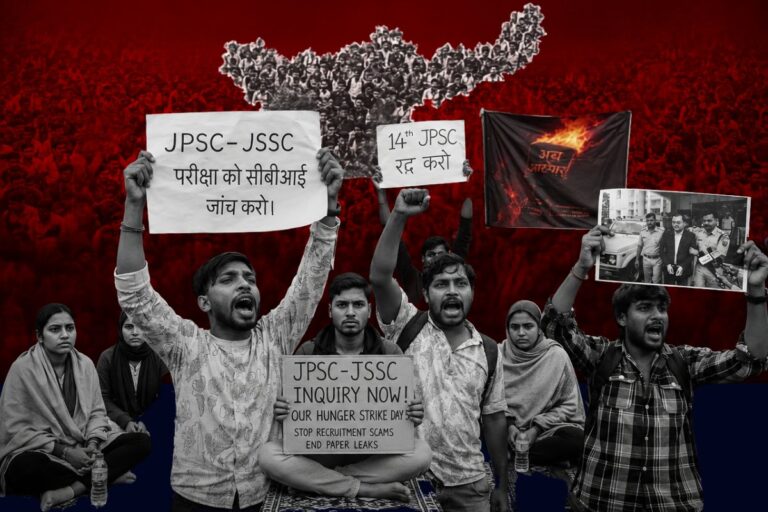
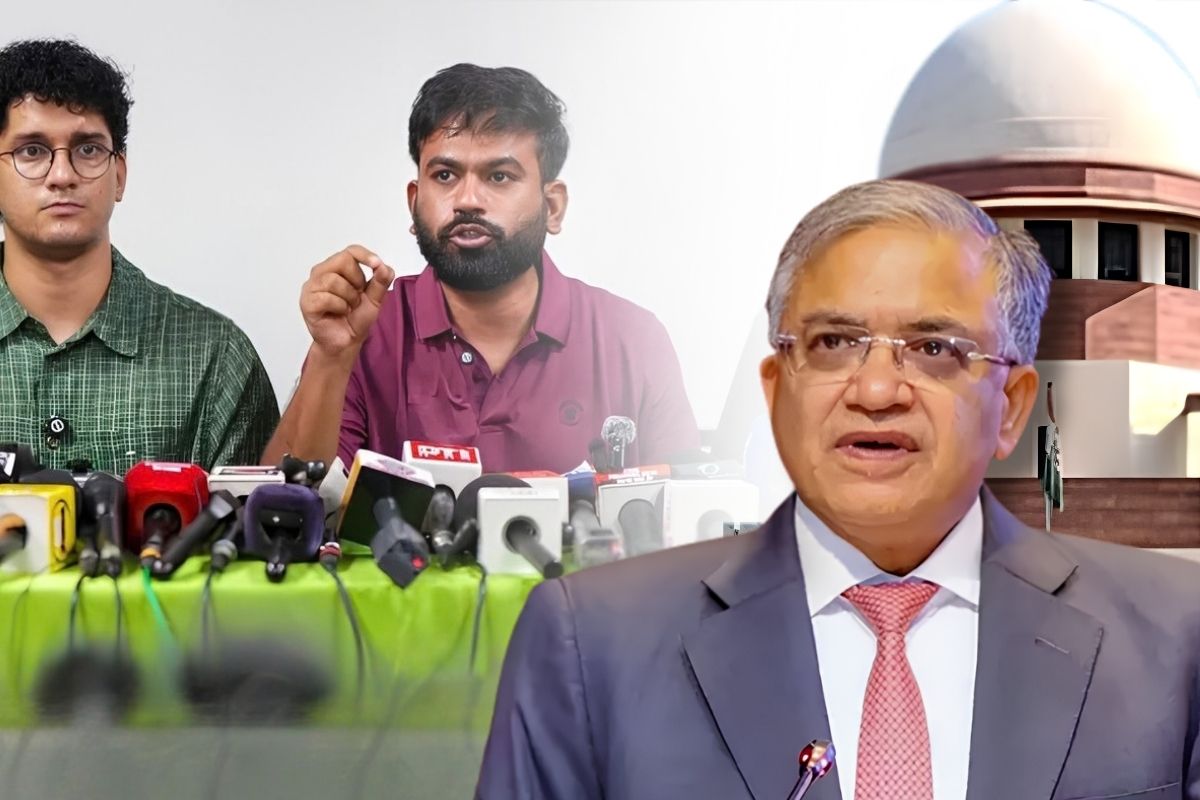
At a press conference in New Delhi on September 24, CJP founder and convenor Abhijeet Dipke, along with co-convenors Saurav Das and spokesperson Ashutosh Ranka, warned that the organisation would begin nationwide protests if Kumar did not step down. The group said the agitation could culminate in a Delhi protest it described as “Jantar Mantar 2.0.”
The demand comes amid renewed scrutiny of the Election Commission’s handling of electoral rolls, particularly the Special Intensive Revision (SIR). It reports that Election Commissioners Sukhbir Singh Sandhu and Vivek Joshi had raised objections on several occasions over matters connected with voter registration, deletion and electoral-roll data.
The Election Commission, however, has rejected the suggestion that the reported objections represented a split in the final decisions of the poll panel. It has said that written observations, questions and suggestions during deliberations are part of institutional decision-making and that its final decisions, including those concerning SIR, were unanimous.
What Did the CJP Demand From Gyanesh Kumar?
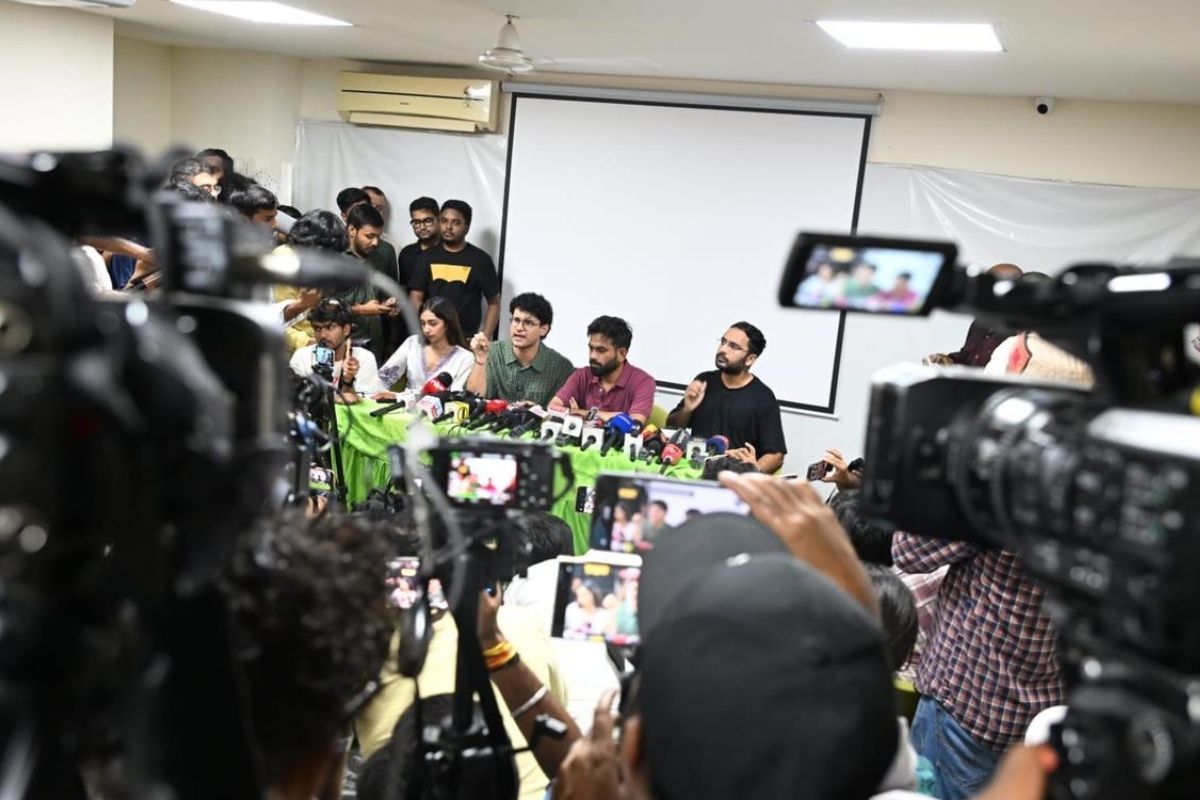
The immediate demand from the Cockroach Janta Party is the resignation of Chief Election Commissioner Gyanesh Kumar.
CJP founder Abhijeet Dipke said the organisation would begin a nationwide agitation if Kumar did not resign within 48 hours. The group also announced an “Election Commission Thik Karo” campaign focused on what it describes as concerns about electoral transparency and voter rights.
The organisation’s demands extend beyond the resignation of the CEC.
According to reports, CJP has called for:
- The resignation of Chief Election Commissioner Gyanesh Kumar.
- An independent investigation into decisions connected with the SIR exercise.
- A halt to further SIR-related exclusions until disputed issues are examined.
- Restoration or verification of electoral-roll records affected by the revision process.
- Examination of relevant records by an independent or judicially supervised mechanism.
- A review or repeal of the 2023 law governing the appointment of the Chief Election Commissioner and other Election Commissioners.
- A freeze on upcoming elections until the organisation’s concerns are addressed.
These are demands made by the CJP and should not be interpreted as findings established by the Election Commission, a court or another independent authority.
Why Is the Election Commission Facing Fresh Scrutiny?
The latest confrontation follows a report published by The Indian Express on September 23, which said Election Commissioners Sukhbir Singh Sandhu and Vivek Joshi had formally raised objections on at least 14 occasions over a period of 10 months.
The reported objections related to several electoral-roll and administrative matters, including changes to Form 6, access to electoral-roll databases, voter deletions and appeals concerning electoral-roll decisions.
The report triggered a wider debate about how decisions are discussed and approved inside the three-member Election Commission.
The issue is particularly significant because the ECI is a constitutional authority responsible for conducting elections and maintaining the integrity of the electoral process.
However, the Election Commission has offered a different interpretation of the reported objections.
In its response, the poll panel said that commissioners routinely make written observations, raise questions and suggest improvements during the drafting and deliberation process. According to the Commission, such exchanges should not be interpreted as disagreement with the final decisions.
The ECI stated that its decisions, including those relating to SIR, were taken unanimously.
What Is the Special Intensive Revision?
The Special Intensive Revision (SIR) is an exercise involving the revision and verification of electoral rolls.
The process has become a major political and legal issue because of the number of voters and electoral records involved. A recent Indian Express report said more than 13 crore names had been excluded from draft rolls across 30 states and Union Territories during the wider SIR exercise, putting increased attention on how voter exclusions are verified and reviewed.
CJP has argued that when voters’ names are removed from draft electoral rolls, there must be clear procedures for verification, review and restoration.
The organisation has particularly questioned how exclusions are authorised and whether citizens have sufficient opportunities to challenge the removal of their names.
These concerns are part of the political debate surrounding SIR. They do not, by themselves, establish that voter deletions were unlawful or politically motivated.
What Has the Election Commission Said?
The Election Commission has maintained that the final decisions of the full Commission were unanimous.
Its response came after reports of objections by the two Election Commissioners generated political criticism. According to the ECI, differences of opinion during internal deliberations are a normal feature of institutional functioning.
The Commission has also stressed that suggestions or objections made during the drafting stage should be distinguished from formal decisions ultimately approved by the full Commission.
The distinction is important in understanding the current controversy.
There are therefore two separate issues being discussed: first, whether commissioners raised concerns during internal deliberations; and second, whether those concerns resulted in disagreement over the final decisions of the Election Commission.
The available reporting establishes the first point through the published investigation and the Commission’s acknowledgement that commissioners make observations and suggestions. The ECI disputes the interpretation that these represented disagreement with its final decisions.
Also Read – Top 7 Biggest Protests Happening in India Right Now
Who Is Gyanesh Kumar?

Gyanesh Kumar is the current Chief Election Commissioner of India.
According to the official Election Commission officers directory, Kumar serves as Chief Election Commissioner, with Sukhbir Singh Sandhu and Vivek Joshi serving as Election Commissioners.
Kumar was appointed Chief Election Commissioner with effect from 19 February 2025, according to a notification published in the Gazette of India under the Chief Election Commissioner and other Election Commissioners (Appointment, Conditions of Service and Term of Office) Act, 2023.
His appointment has previously attracted political debate because he was the first CEC appointed under the 2023 legislation that changed the composition of the selection mechanism.
Who Is Abhijeet Dipke and What Is the CJP?
Abhijeet Dipke is the founder and prominent public face of the Cockroach Janta Party, commonly referred to as CJP.
The organisation emerged in 2026 as a digital and protest movement and subsequently expanded its campaigns to issues involving education, unemployment, government institutions and public accountability.
The group has used social media extensively to communicate with supporters.
Earlier reports identified CJP’s social-media presence as being particularly prominent on Instagram. However, there have also been reports of impersonator accounts and previous disputes concerning access to its social-media platforms. India Today reported in May that Dipke identified certain accounts as impostors and listed the original accounts associated with the movement at that time.
Because social-media handles can change, readers should verify an account before treating an individual post as an official CJP statement.
CJP Social Media and Official References
For readers following developments directly, the following accounts and sources have been identified in published reporting:
- CJP Instagram: @cockroachjantaparty on Instagram
- Abhijeet Dipke on X: @abhijeet_dipke on X
- CJP website: Cockroach Janta Party official website
- Election Commission of India: Election Commission of India
- ECI Officers Directory: Chief Election Commissioner and Election Commissioners
Published reporting has previously warned that multiple unofficial CJP accounts exist online, so social-media posts should be checked against verified or otherwise confirmed accounts before being cited as official statements.
What Does ‘Jantar Mantar 2.0’ Mean?
The phrase “Jantar Mantar 2.0” refers to the CJP’s warning that it could organise another large-scale protest in Delhi.
Dipke said the organisation would first begin nationwide mobilisation and could subsequently bring protesters to Delhi if the resignation demand was not met. Reports describe the proposed action as part of a broader campaign against the Election Commission’s handling of electoral-roll issues.
The reference to Jantar Mantar also connects the latest campaign with CJP’s earlier protest activity in New Delhi.
The group’s current campaign is therefore not limited to an online appeal. It has indicated an intention to use street protests, nationwide mobilisation and public campaigning as part of its response.
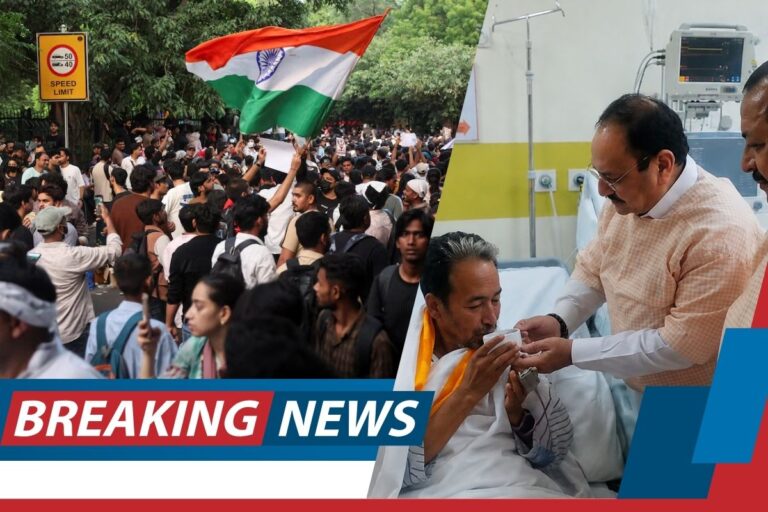
Also Read – When Sonam Wangchuk Ends Hunger Strike After Meeting Nadda
What Happens Next?
The immediate question is whether CJP proceeds with nationwide protests after its 48-hour deadline.
The larger issue, however, concerns the continuing debate over electoral-roll revision, internal deliberations within the Election Commission and the safeguards available to voters whose names are excluded from electoral rolls.
The ECI’s position is that final decisions were unanimous and that differing views expressed during deliberations are part of normal institutional functioning. CJP, meanwhile, has called for an independent examination of the process and has linked its demands to broader concerns about voter rights.
As the controversy develops, official Election Commission documents, court proceedings and verified statements from the concerned parties will be important for establishing what decisions were made, how they were reached and what remedies are available to affected voters.
For now, the 48-hour resignation ultimatum issued by the CJP is a political demand, while the Election Commission continues to maintain that its formal decisions were unanimous.
Sources and References
- Election Commission of India — official officers directory and institutional information.
- Gazette of India — notification appointing Gyanesh Kumar as Chief Election Commissioner.
- Hindustan Times — report on CJP’s 48-hour ultimatum.
- NDTV — report on the CJP’s protest warning and demands.
- The Indian Express — reporting on objections recorded by Election Commissioners.
- Reuters — international reporting on the CJP movement and its latest protest warning.