
There’s a particular kind of tired that comes from too much screen time — not physically exhausted, just mentally foggy, a little irritable, and strangely unable to sit still without reaching for your phone. If that sounds familiar, you’re not alone, and you don’t need to disappear into the woods for a week to fix it. A digital detox, done right, is less about punishment and more about giving your brain some breathing room. This guide walks through what a digital detox actually is, why it helps, and how to start one without feeling like you’re missing out on your own life.
- A digital detox isn’t about ditching technology altogether; it’s about using it more mindfully.
- “Big changes are harder to keep up with than small ones, like cutting down on notifications or instituting phone-free periods.
- Reducing needless screen time can lead to improved focus, sleep and overall health.
- When you swap scrolling for offline pursuits, you might more easily keep to new habits.
- Consistency over perfection. Even brief pauses away from screens over the day can add up.
What Is a Digital Detox, Exactly?
A digital detox simply means taking a deliberate break from screens — phones, social media, streaming, constant notifications — for a set period of time. It doesn’t require going completely offline or throwing your phone in a drawer for a month.

For most beginners, it’s about creating intentional gaps in screen use so your brain gets a chance to reset, focus, and actually rest.
Also Read: The Quiet Art of Balance: Simple Habits That Bring Work and Life Back Into Sync
Why Bother Detoxing in the First Place?
Constant screen exposure puts your brain in a low-level state of vigilance, scanning for the next notice, message, or update. This can lead to decreased attention spans, interrupted sleep and a constant feeling of restlessness when at leisure. A digital detox breaks that loop, allowing your mind a chance to slow down, focus better and reconnect with things that don’t come with a screen attached.
Start Small Instead of Going Cold Turkey
One of the biggest mistakes beginners make is trying to quit screens entirely on day one. That approach rarely lasts, and it often ends in frustration within 48 hours. A better starting point is picking one specific habit to change — like not checking your phone for the first thirty minutes after waking up — and building from there once that feels manageable.
Also Read: The Health Effects of Sitting on the Floor vs. Chairs: What the Research Actually Says
Turn Off Non-Essential Notifications
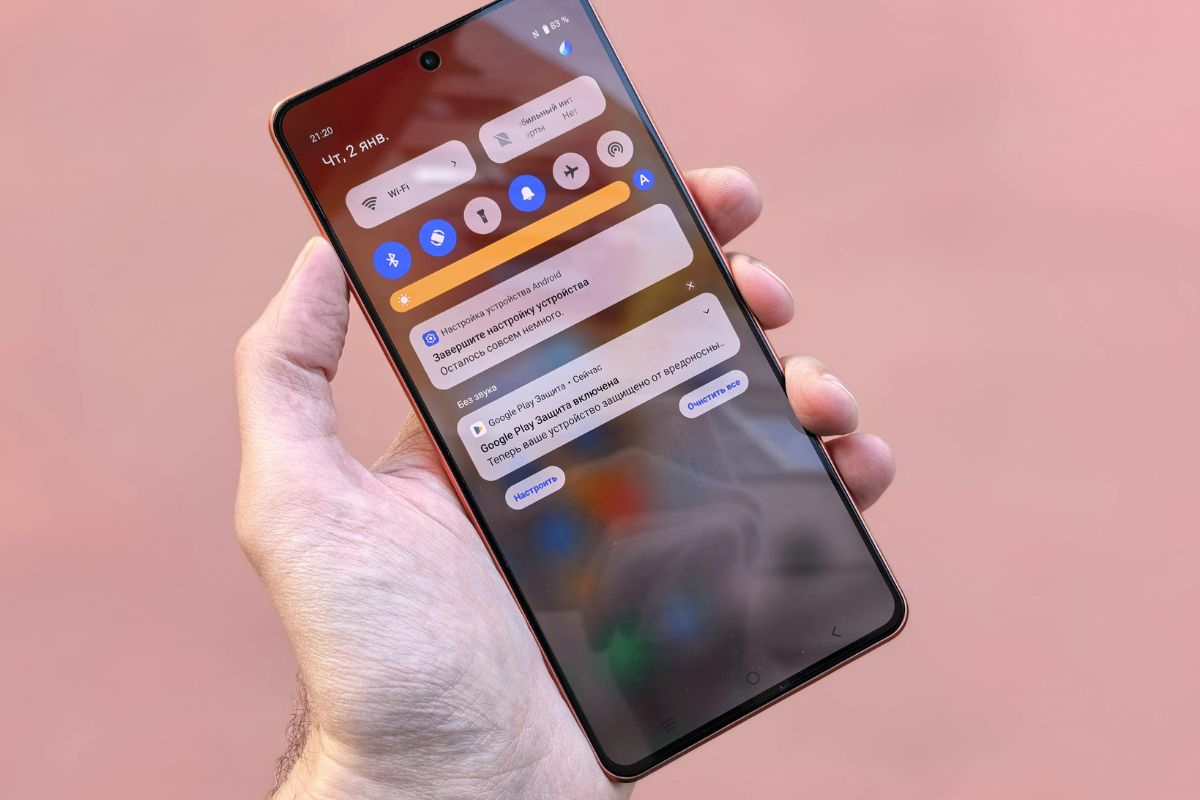
Notifications are designed to pull your attention, and most of them aren’t actually urgent. Turning off alerts for social media, games, and non-critical apps is one of the simplest changes a beginner can make. You’ll likely be surprised how often you were reaching for your phone simply because it buzzed, not because you actually needed to check something.
Create Phone-Free Zones in Your Home
Instead of trying to limit screen time everywhere at once, designate a few specific spaces as phone-free — the dinner table, the bedroom, or a reading corner, for example. Keeping your phone out of the bedroom in particular tends to improve both sleep quality and that first hour of the morning, since it removes the temptation to scroll before you’re even fully awake.
Also Read: Quick 10-Minute Breakfasts That Actually Work for Busy Indians
Set Specific Screen-Free Times, Not Just Screen-Free Days
Full detox days can feel intimidating for beginners, especially if work or family responsibilities require some connectivity. A more sustainable approach is blocking off specific screen-free windows during the day — during meals, the first hour after waking, or the last hour before bed. These smaller windows are easier to stick with and still deliver a noticeable mental reset.
Replace the Habit, Don’t Just Remove It
Simply telling yourself to use your phone less rarely works, because it leaves a gap that gets filled with boredom or restlessness. It helps far more to replace scrolling with something specific — a short walk, a physical book, stretching, or even just making a cup of tea slowly and without multitasking. Giving your hands and attention something else to do makes the transition much easier.

Also Read: India Faces Heatwave In April As Temperatures Break Records
Use Grayscale Mode to Make Your Phone Less Appealing
This might sound minor, but switching your phone display to grayscale removes a lot of the visual pull that colorful apps are specifically designed to have. Without the bright icons and endless color cues, many people naturally find themselves checking their phones less often, simply because it’s less visually rewarding to do so.
Be Honest About Your Screen Time Numbers
Most phones now show a weekly screen time report, and it’s worth actually looking at it instead of scrolling past the notification. Seeing the real number — often higher than people expect — can be a helpful, non-judgmental way to understand where your time is actually going, and which apps are eating up the most of it.
Also Read: The Ultimate 2026 Guide to Things Only Indians Can Relate To
Tell People You’re Cutting Back
A quiet detox is much harder to stick to than one your friends, family, or coworkers know about. Letting people know you’re trying to reduce screen time means fewer confused “why didn’t you reply” moments, and it often invites support rather than pressure. Some people even find a friend willing to detox alongside them, which makes the whole process feel less isolating.
Prepare for Some Uncomfortable Days
It’s normal to experience some restlessness, boredom, or even anxiety in the first few days of reducing screen time. These are not indications that something is wrong; they are simply the effects of breaking a habit loop. The majority of beginners discover that this discomfort subsides within a week as they develop new, screen-free routines that become more automatic.
Also Read: Easy Kitchen Tips To Master How To Cook Poha On Induction Without Drying It Out
Frequently Asked Questions
How long should a beginner’s digital detox last?
There is no hard and fast rule, but starting out with short daily chunks of time, such as an hour of screen-free time in the morning and evening, is usually more sustainable for beginners than trying to go offline for a whole week straight away.
Will a digital detox hurt my work or social life?
Unless it is scheduled within certain windows, rather than total disconnection. Most novices keep important means of communication on while reducing non-essential scrolling, so work and important relationships are unaffected.
What’s the easiest first step for someone who feels addicted to their phone?
The simplest and most immediately noticeable change is to turn off non-essential notifications. This removes the constant pull to check the phone without any major lifestyle shift.
Is it normal to feel anxious without my phone at first?
It is a normal temporary reaction to feel a little anxious or restless for the first few days, not a sign that the detox is not working.
You don’t need to throw your phone in the ocean or go off the internet to have a digital detox. It’s about taking back some control — deciding when you’ll check a screen instead of letting every notification decide for you. Start with one small change this week, see how that feels, and build from there.
Sources & References
- Harvard Health Publishing – Your health is vital— why limit it?
- Mayo Clinic – Healthy Lifestyle
- World Health Organization (WHO) – Mental Health
Disclaimer: The information provided is for educational purposes only and is not intended as medical or mental health advice. If screen use is significantly affecting your mental health or daily life, consult a qualified healthcare professional.