Quick Summary: Temples, lakes, colour, spirituality, gardens, Bollywood, royal history, Indian cities have picked up nicknames over the years tied to whatever makes each one distinct.
Almost all major Indian cities has its own character. Some got famous for monuments, some for temples, some for food or film or architecture. Over time, that turned into shorthand people actually use: City of Temples, Pink City, Blue City, City of Lakes, City of Dreams.
Travellers lean on these names constantly, and honestly so do Indians who’ve never been to half these places. Say “Jaipur” and pink buildings come to mind before anything else. Say “Mumbai”, and it’s Bollywood, full stop.
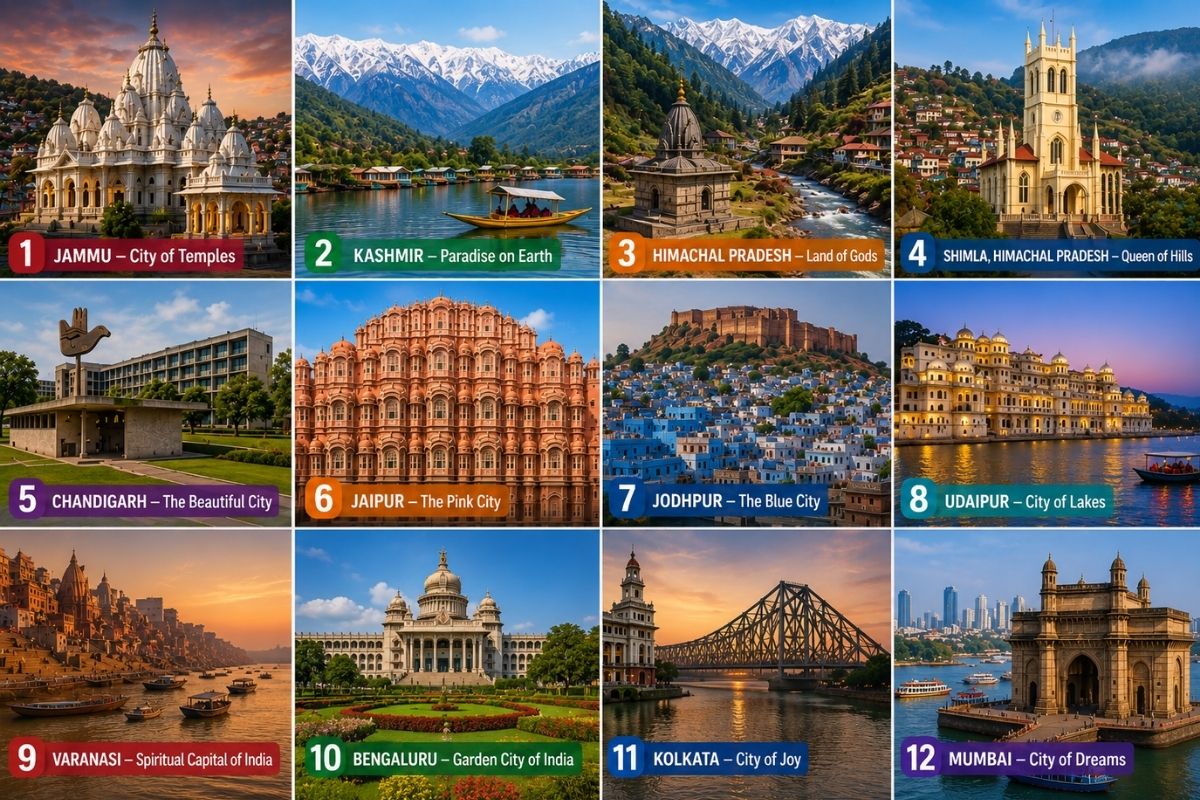
1. Jammu – City of Temples
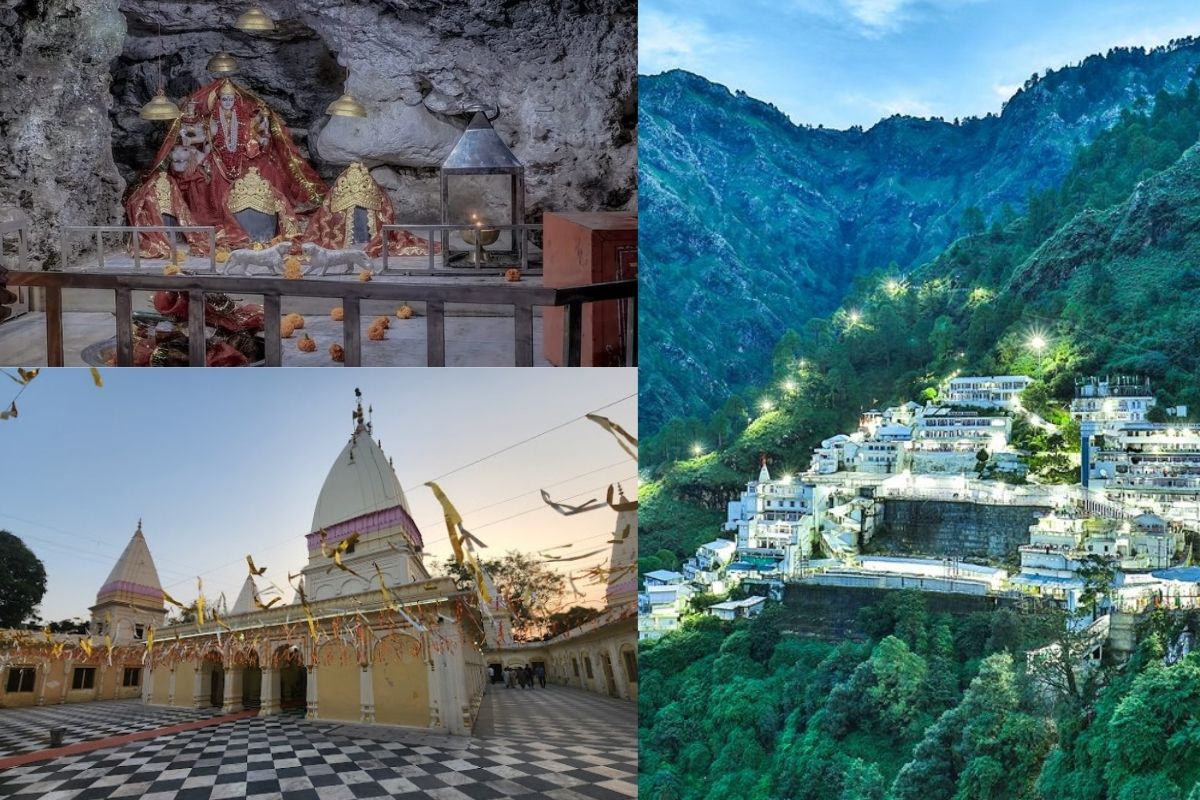
Temples are basically Jammu’s whole identity. Raghunath Temple sits right in the middle of the city and is the one everyone mentions first. Jammu also functions as the main stopover for pilgrims heading up to Vaishno Devi — one of the busiest Hindu pilgrimage sites in the country.
There’s more going on than religion, though. Dogra culture runs deep here, and the region around the city has its own quiet appeal.
Famous for: Temples, Pilgrimage, Dogra Culture, Religious Tourism.
2. Kashmir – Paradise on Earth
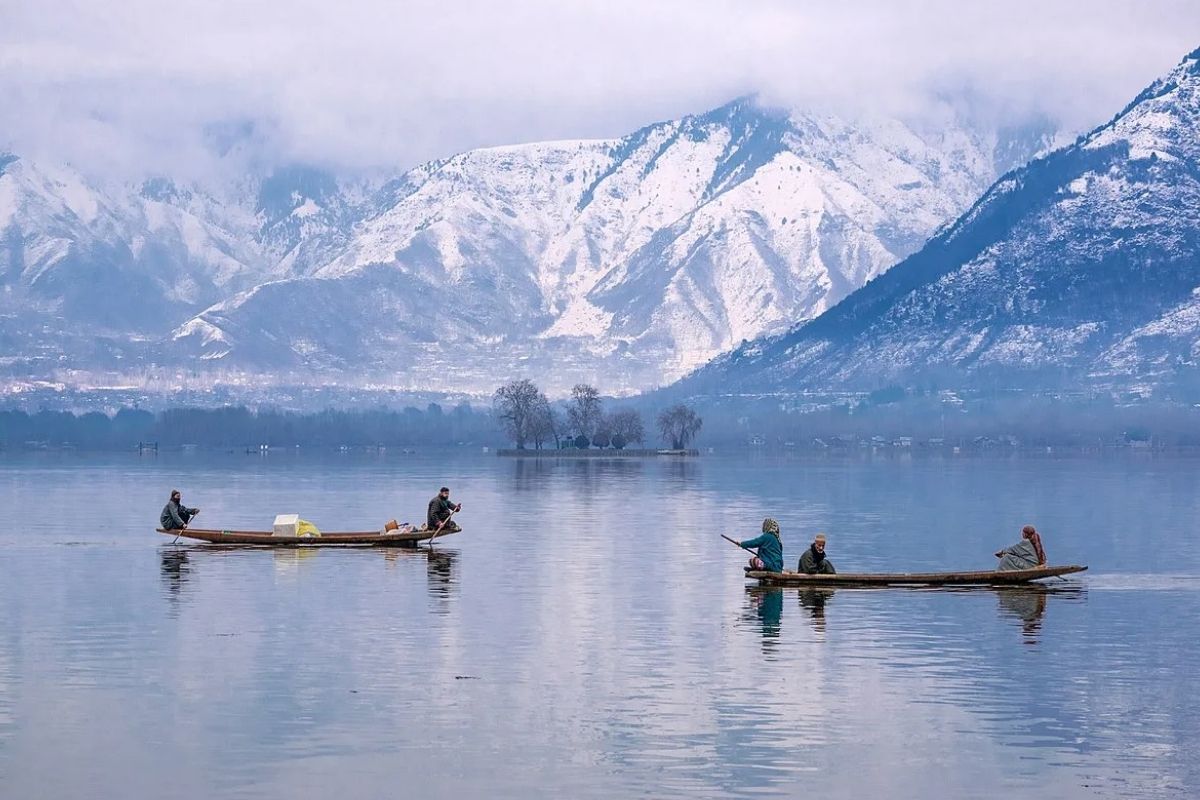
You’ve probably heard this one already. Snow-capped mountains, green valleys, lakes — the “Paradise on Earth” tag isn’t marketing; it’s just what people said when they got there.
Srinagar, Gulmarg, Pahalgam, Sonamarg — that’s the Kashmir Valley in a nutshell. Dal Lake gets most of the attention, with its houseboats and shikaras drifting around.
Beyond the scenery: Pashmina, handwoven carpets, saffron, a distinct style of cooking. Winter flips the switch, and Gulmarg turns into a ski town.
Famous for: Natural Beauty, Dal Lake, Mountains, Valleys, Snowfall, Pashmina, Saffron, Tourism.
3. Himachal Pradesh – Land of Gods
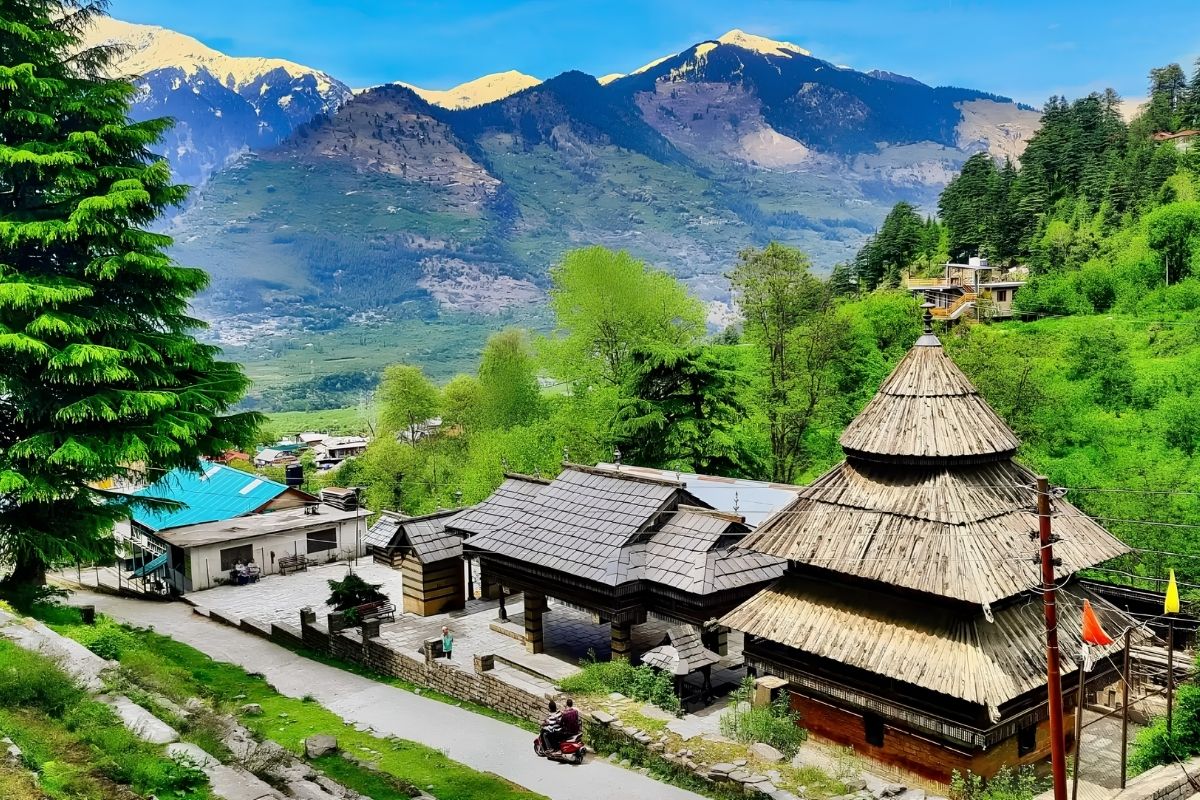
Dev Bhoomi. Land of Gods. The nickname comes from the sheer density of temples and how seriously religion is taken across the state — but honestly, the mountains do a lot of the work too.
Temples cluster around Chamba and Kangra. Manali, Kullu, and Dharamshala pull in both pilgrims and hikers, sometimes the same person wearing two hats on the same trip. Trekking, paragliding, rafting, skiing, camping — Himachal covers most of what “adventure tourism” means in India.
Famous for: Dev Bhoomi, Himalayan mountains, Valleys, Temples, Snowfall, Hill stations, Adventure Tourism, Natural beauty.
4. Shimla, Himachal Pradesh – Queen of Hills
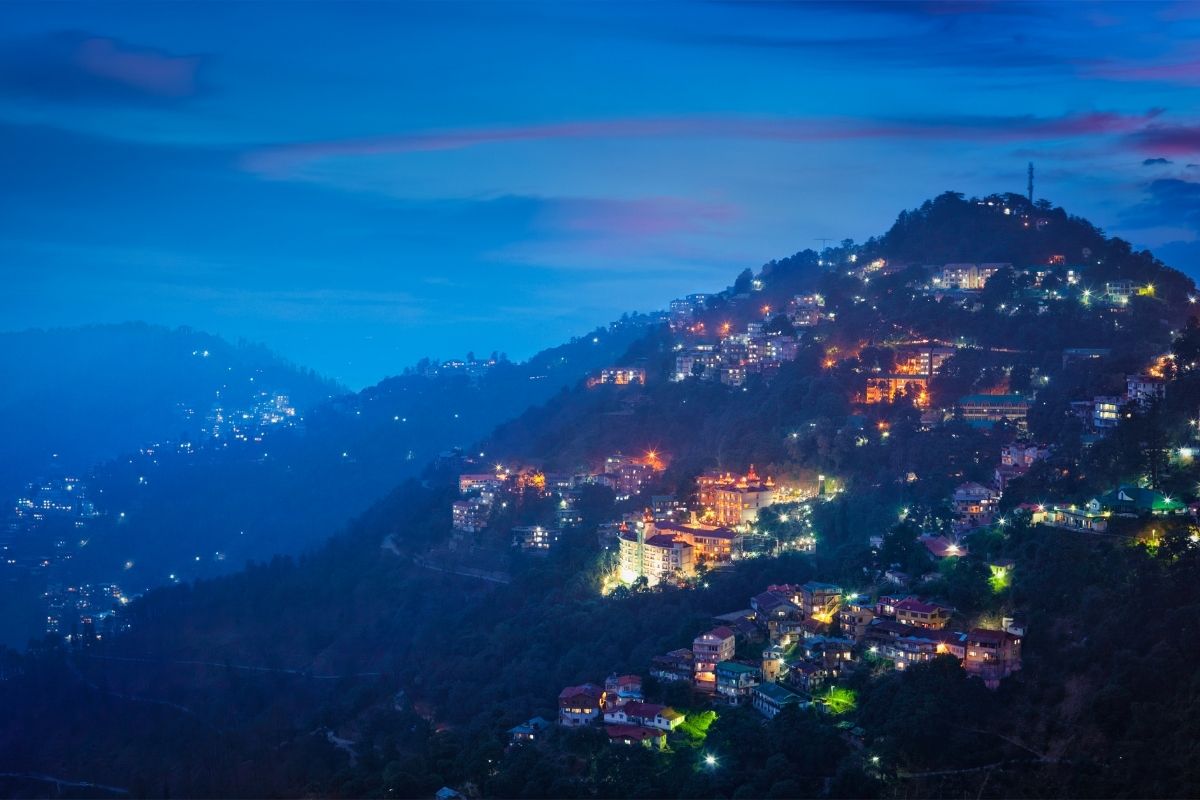
If you ask someone to name one hill station in India, there’s a decent chance they say Shimla. Queen of Hills — the name has stuck for a century and a half.
It’s the state capital, colonial buildings scattered through pine forests, roads that wind more than they should. The Ridge, Mall Road, Christ Church, Jakhoo Temple round out the usual list. It also used to be the summer capital of British India, back when the plains got too hot for the administration to function.
Zoom out, and Himachal adds Manali, Dharamshala, Dalhousie, Kullu, Spiti Valley to the picture. Ask what the state is known for, and the answer is basically: mountains, hill towns, temples, snow, adventure sports.
Famous for: Himalayan Landscapes, Hill Stations, Snowfall, Colonial heritage, Mountain Tourism.
5. Chandigarh – The City Beautiful
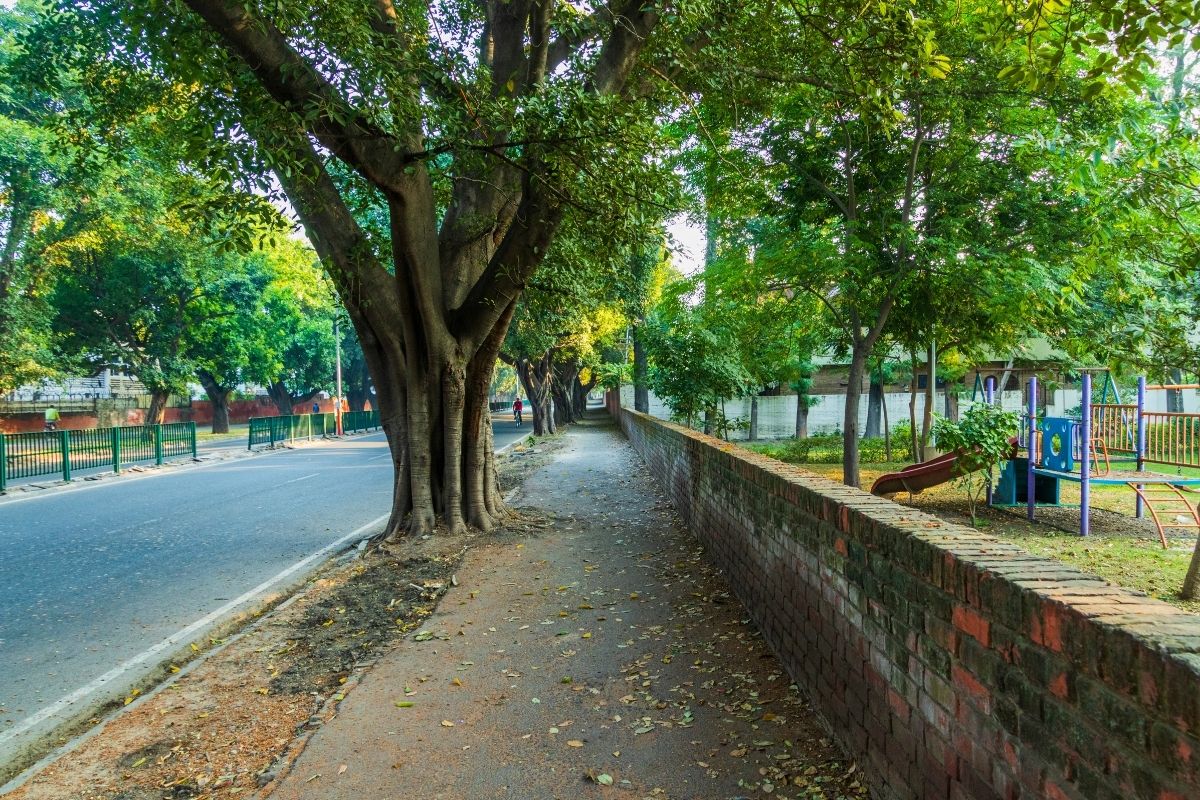
This is the one Indian city that was designed rather than just grew. That’s the whole story behind “The Beautiful City” — wide roads, numbered sectors, a lot of green space, and modernist buildings that Le Corbusier had a direct hand in.
Capitol Complex, Rock Garden, Sukhna Lake, Rose Garden. It doesn’t look or feel like most other Indian cities of its size, and that’s kind of the point. Administratively it’s odd too — a Union Territory that happens to serve as capital for both Punjab and Haryana.
Famous for: Planned Architecture, Greenery, Cleanliness, Modern Urban Design, Sukhna Lake.
6. Jaipur – The Pink City
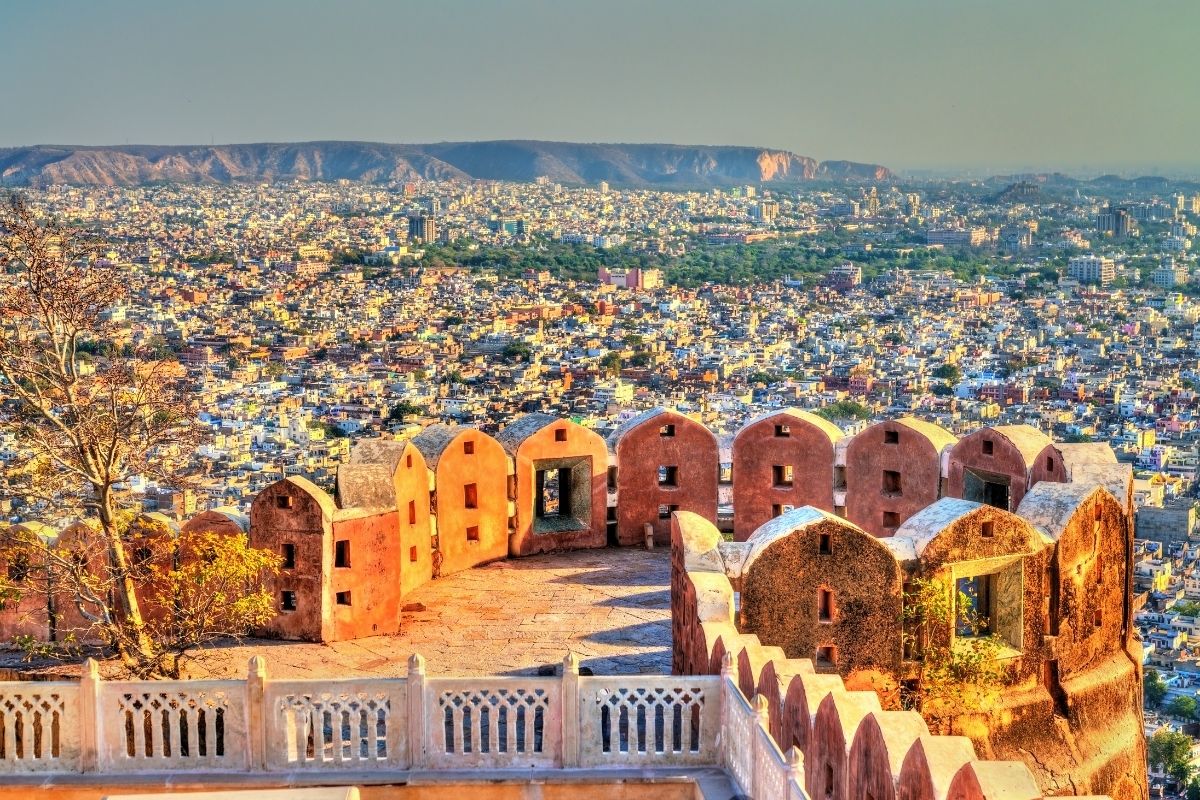
Founded in 1727 by Maharaja Sawai Jai Singh II. The pink came decades later — the whole old city got painted for the Prince of Wales’s visit in 1876, and nobody ever repainted it back.
Hawa Mahal, Amber Fort, City Palace, Jantar Mantar — Jaipur’s greatest hits. It’s also a serious jewellery and textile town, and the food alone is worth the trip for some people.
Famous for: Pink Architecture, Forts, Palaces, Royal History, Jewellery, Handicrafts.
7. Jodhpur – The Blue City
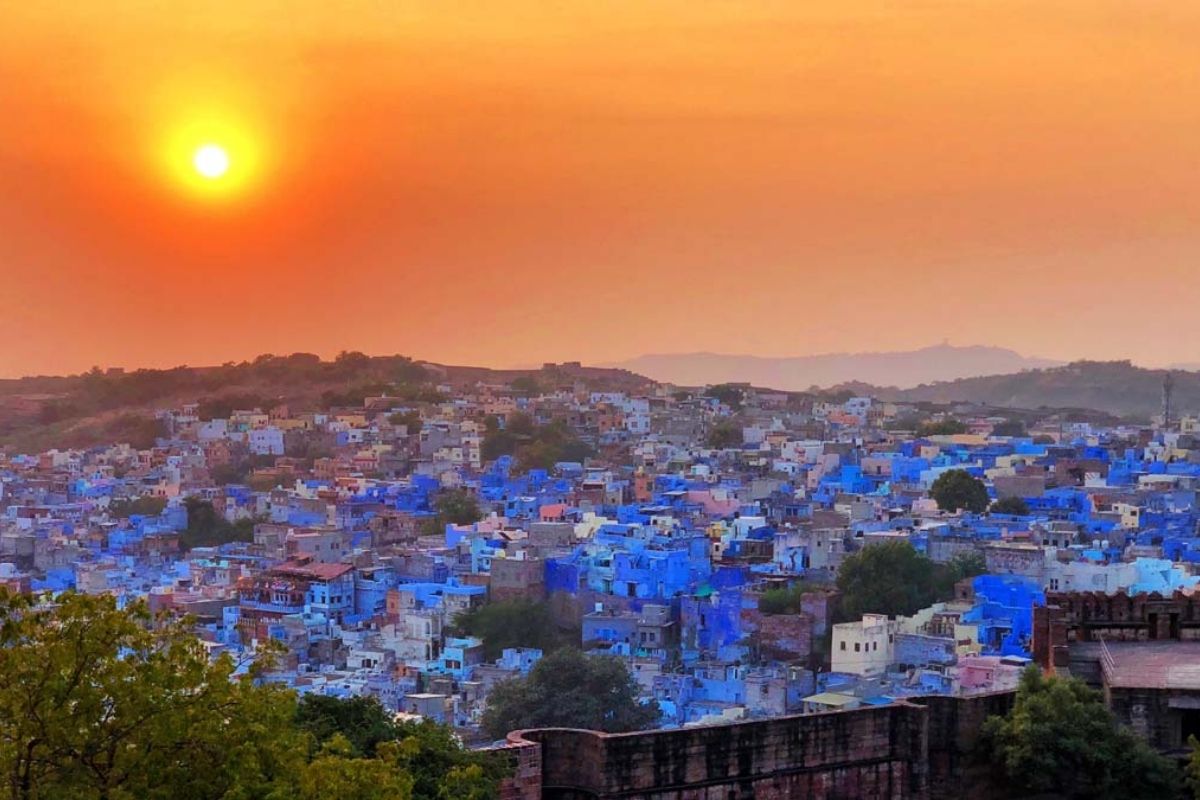
Blue houses, stacked up beneath Mehrangarh Fort. That’s it, that’s the nickname. Climb up to the fort and look down, and you’ll see exactly why it stuck.
Rao Jodha founded the city back in 1459 as the seat of the Marwar region. Jaswant Thada and the old bazaars are worth the detour beyond the fort itself. Rajasthani food and handicrafts round out what the city’s known for.
Famous for: Blue Houses, Mehrangarh Fort, Marwari Culture, Traditional Handicrafts.
8. Udaipur – City of Lakes
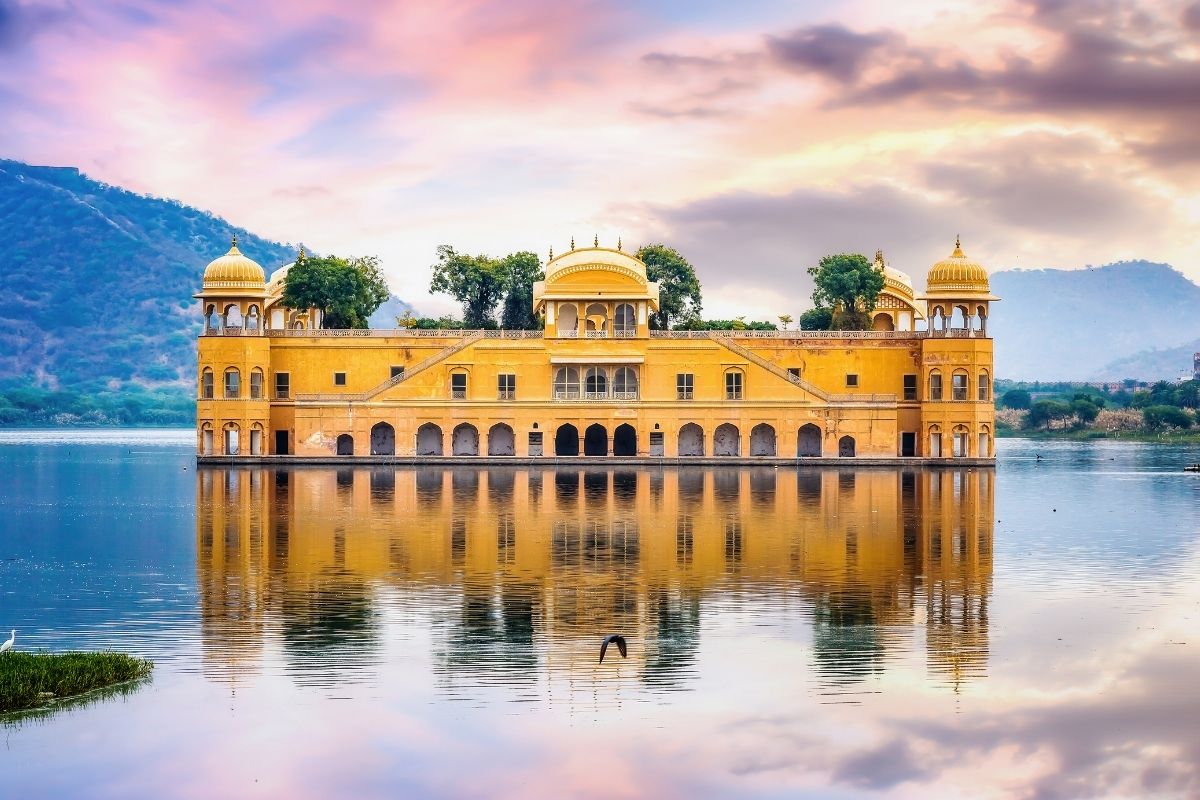
Not much subtext here — Udaipur has lakes, and a lot of them: Pichola, Fateh Sagar, Udai Sagar. Add the Aravalli hills in the background, and you get one of Rajasthan’s more scenic stops, which says something in a state full of scenic stops.
City Palace overlooks Lake Pichola and is the landmark most people photograph. The old Mewar kingdom’s history is stitched through most of it.
Famous for: Lakes, Palaces, Mewar heritage, Scenic Views, Tourism.
9. Varanasi – Spiritual Capital of India
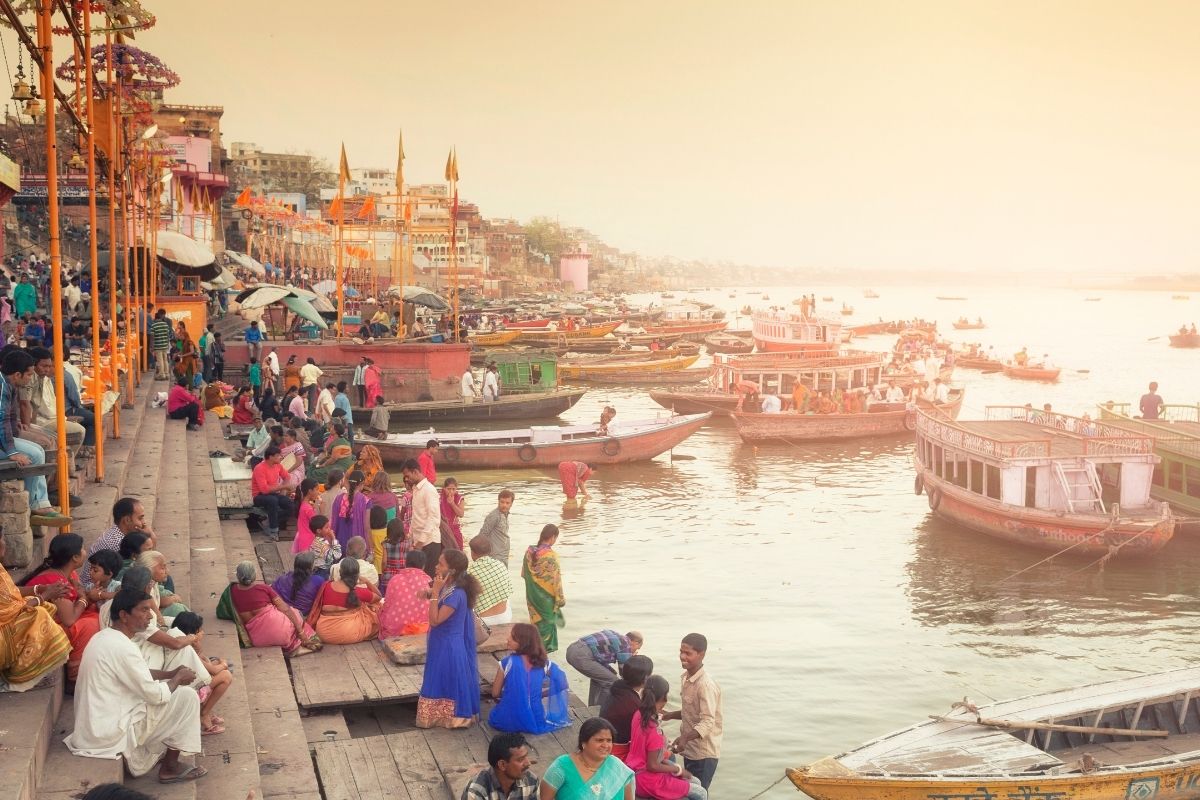
Also called Banaras, also called Kashi. One of the oldest continuously inhabited cities anywhere, and arguably India’s most important spiritual centre — that’s not really up for debate.
Sits on the Ganga. Ghats line the riverbank, and the evening Ganga Aarti draws crowds every single night. Kashi Vishwanath Temple is the big one. Banarasi silk sarees and classical music are the other things Varanasi’s known for outside the religious side.
Famous for: Spirituality, Ganga Ghats, Temples, Silk Sarees, Ancient Culture.
10. Bengaluru – Garden City of India
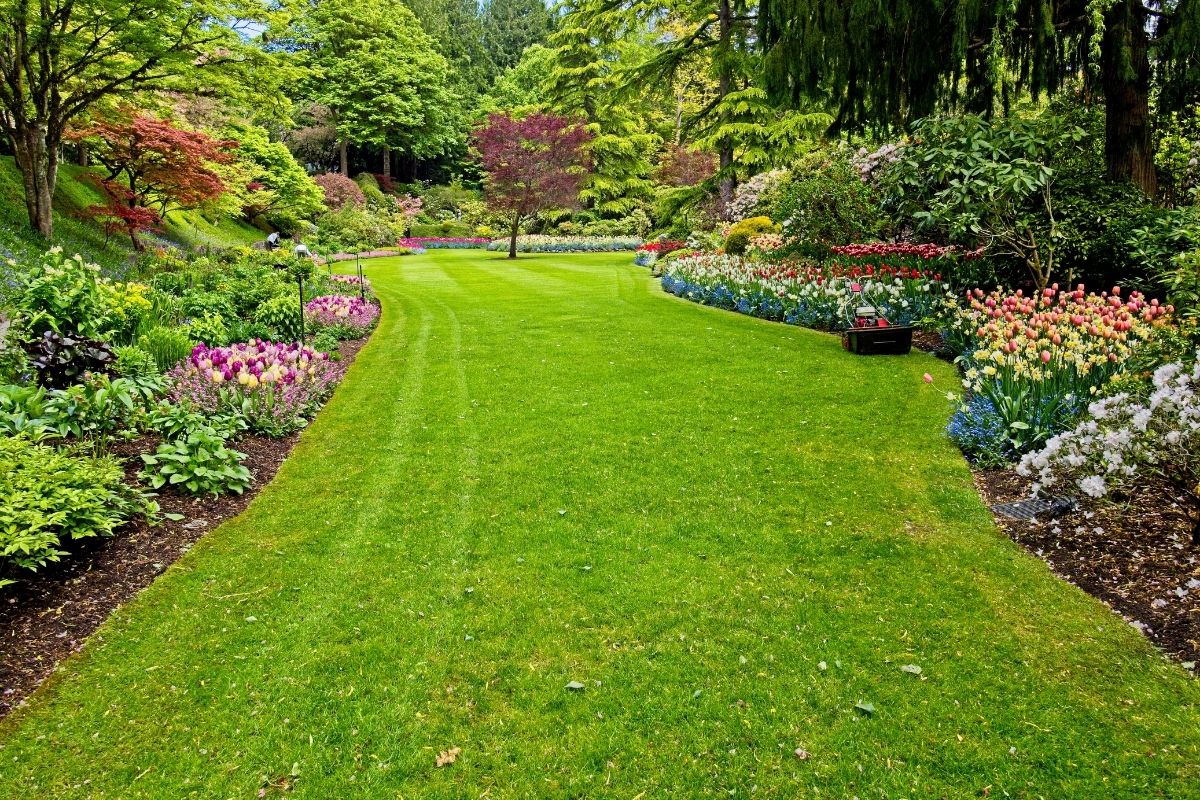
Parks earned Bengaluru its old nickname — Lalbagh Botanical Garden and Cubbon Park especially. These days most people know it for something else entirely: tech. Silicon Valley of India is the newer tag, and it’s arguably taken over.
Good colleges, decent weather, a startup scene that never really stopped growing — that’s the modern version of the city. That startup culture now extends into deep-tech fields too, including India’s rapidly developing space-tech sector.
Famous for: Gardens, Technology, Startups, Education, Innovation.
11. Kolkata – City of Joy
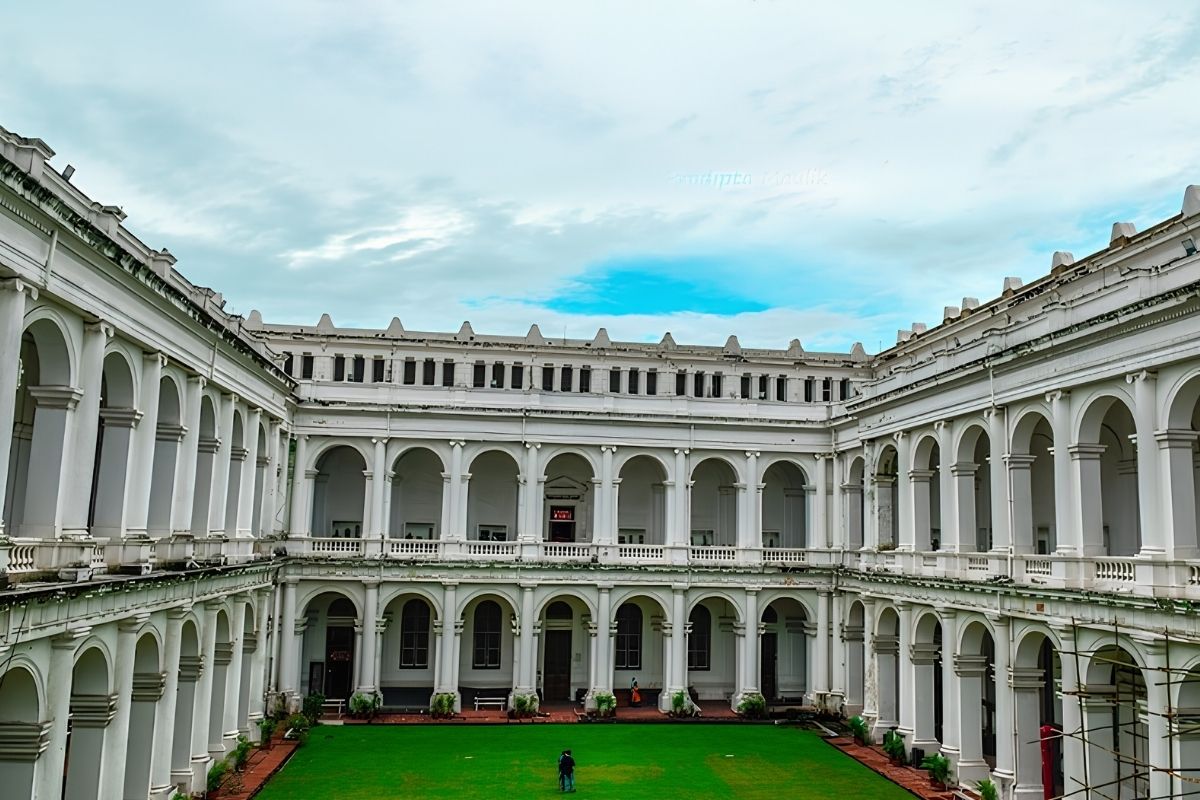
Culture is Kolkata’s whole thing. Tagore, Satyajit Ray — the city has shaped Indian literature, theatre, music, and film for well over a century, and it still leans into that identity hard.
Victoria Memorial, Howrah Bridge, Indian Museum. And the sweets — rasgulla, sandesh — are famous well past Bengal’s borders.
Famous for: Literature, Art, Culture, Bengali Cuisine, Colonial Architecture, Festivals.
12. Mumbai – City of Dreams
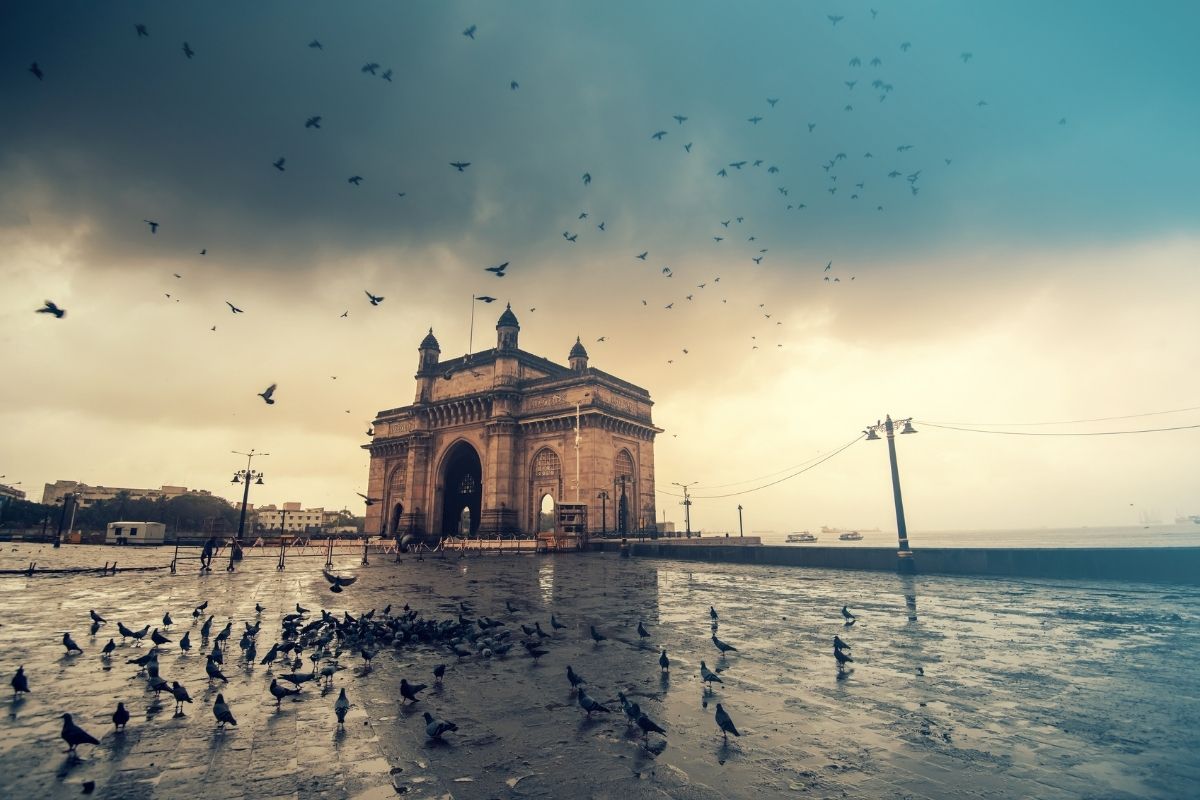
Everyone who’s ever wanted more than what their hometown offered has, at some point, thought about Mumbai. That’s really where “City of Dreams” comes from.
It’s the financial capital, and it’s Bollywood’s home base, which together explain most of the ambition-and-fame reputation. Gateway of India, CST station, Marine Drive — the landmarks people actually visit. Fast pace, packed streets, street food that’s better than it has any right to be.
Famous for: Bollywood, Finance, Business, Marine Drive, Entertainment.
Quick Comparison: Indian Cities and Their Famous Titles
| No. | City / Region | Popular Name | What It Is Famous For |
|---|---|---|---|
| 1 | Jammu | City of Temples | Temples, pilgrimage and religious tourism |
| 2 | Kashmir | Paradise on Earth | Natural beauty, Dal Lake, mountains, valleys, Pashmina and saffron |
| 3 | Himachal Pradesh | Land of Gods (Dev Bhoomi) | Himalayan mountains, temples, valleys, snowfall and adventure tourism |
| 4 | Shimla, Himachal Pradesh | Queen of Hills | Hill stations, Himalayan landscapes, snowfall and colonial heritage |
| 5 | Chandigarh | The City Beautiful | Planned architecture, greenery, modern urban design and Sukhna Lake |
| 6 | Jaipur | Pink City | Pink architecture, forts, palaces, royal history, jewellery and handicrafts |
| 7 | Jodhpur | Blue City | Blue houses, Mehrangarh Fort, Marwari culture and handicrafts |
| 8 | Udaipur | City of Lakes | Lakes, palaces, Mewar heritage and scenic views |
| 9 | Varanasi | Spiritual Capital of India | Ganga ghats, temples, spirituality, silk sarees and ancient culture |
| 10 | Bengaluru | Garden City of India | Gardens, technology, startups, education and innovation |
| 11 | Kolkata | City of Joy | Literature, art, culture, Bengali cuisine, festivals and colonial architecture |
| 12 | Mumbai | City of Dreams | Bollywood, finance, business, entertainment and opportunities |
Why Do Indian Cities Have Such Famous Nicknames?
No single formula. History, geography, culture, architecture, the local economy — usually some mix of those, plus whatever people just started calling the place informally and it never went away.
Jaipur’s name is literally the colour of its buildings. Udaipur’s comes from its lakes, no metaphor required. Mumbai got its nickname from what the city actually offers economically — jobs, finance, a shot at something bigger.
Chandigarh’s reputation traces back to how carefully it was planned out on paper before a single building went up. Jammu’s temple identity goes back centuries and isn’t going anywhere.
None of this is tourist-board copy, either. These names work because they tell you something true and useful before you’ve even booked a ticket.
Conclusion
India’s cities don’t really resemble each other, and these nicknames only scratch the surface of why. Jammu, temples. Chandigarh, planning. Jaipur, pink. Jodhpur, blue. Udaipur, lakes.
Varanasi carries the spiritual weight. Bengaluru mixes parks with server farms. Kolkata’s got the deepest cultural roots of the bunch. Mumbai is pure ambition.
And then there’s Himachal Pradesh, adding mountains to the mix — Shimla especially, with its Himalayan views and old colonial buildings still standing.
Planning a trip, studying geography, or just trying to keep these straight — the nicknames are a decent shortcut either way.
Frequently Asked Questions (FAQs)
Which city is known as the City of Temples in India?
Jammu — for its many temples and its role in religious tourism.
Which city is known as the Pink City?
Jaipur. Named for the pink buildings across its old walled city.
Which Indian city is known as the Blue City?
Jodhpur, because of the blue-painted houses clustered around Mehrangarh Fort.
Which city is called the City of Lakes?
Udaipur, Rajasthan. Lake Pichola and Fateh Sagar Lake are the two most famous.
Which city is known as the City of Dreams?
Mumbai — business, finance, entertainment, Bollywood, all rolled into one nickname.
Which city is called the City of Joy?
Kolkata, for its culture, literature, arts, and general social energy.
Which city is known as the Garden City of India?
Bengaluru. Parks and greenery originally, though it’s just as known now as a tech hub.
What is Shimla famous for?
Himalayan scenery, colonial-era buildings, Mall Road, The Ridge, cool weather. Queen of Hills, basically.
Is Himachal Pradesh a city?
No — it’s a state. Shimla is its capital and the city most closely tied to it in people’s minds.
Which Indian city is famous for temples, lakes and mountains?
Depends which one you mean: Jammu for temples, Udaipur for lakes, Shimla for mountains.
Sources & References
- Jammu Tourism – “Shrines of Jammu City” — J&K Tourism | Published: 2026
- J&K Tourism – “Destinations” — Government of J&K | Published: 2026
- Himachal Pradesh Tourism – “Topography” — Government of Himachal Pradesh | Published: 2026
- Chandigarh Administration – “General Information” — Chandigarh Administration | Published: 2026
- Rajasthan Tourism – “Jaipur” — Government of Rajasthan | Published:https://himachaltourism.gov.in/destination/kullu-2/ 2026
- “Kullu – Land of Gods” — Himachal Pradesh Tourism
- Rajasthan Tourism – “Udaipur” — Government of Rajasthan | Published: 2026