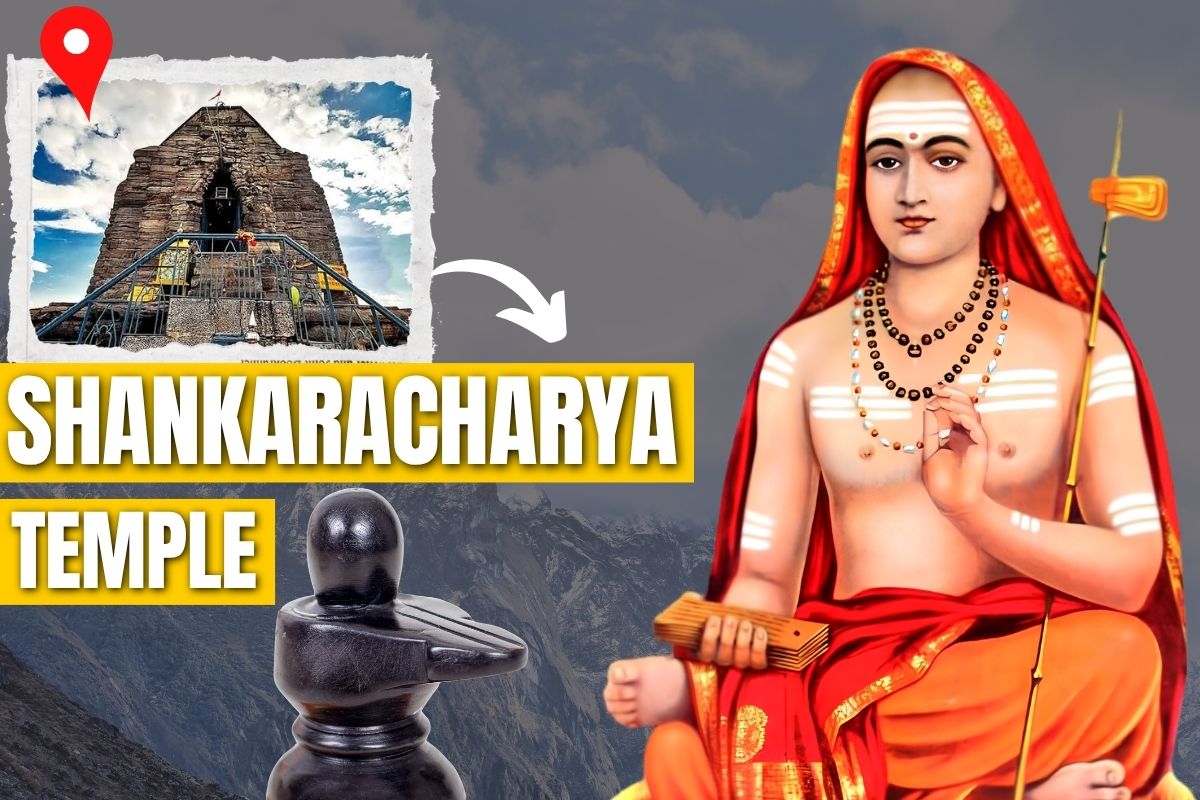
Quick Answer – Shankaracharya Temple is an ancient Lord Shiva shrine on top of Shankaracharya Hill in Srinagar, Jammu and Kashmir. Devotees know it for its spiritual weight. Historians, for its architecture. Most everyone else just wants the view of Dal Lake, and honestly, that’s reason enough to climb up there.
The temple stands high above Srinagar, looking down over the city, the lake and the wider Kashmir Valley. Dedicated to Lord Shiva. One of the most recognisable religious and heritage sites in the region, full stop. The current name traces back to its bond with Adi Shankaracharya, the philosopher and spiritual teacher.
The history is messier than the postcard version suggests. Sources disagree on dates. They disagree on which rulers built or rebuilt the place, too. The Archaeological Survey of India’s heritage record puts the existing building at roughly the 7th century CE. Traditional accounts push the origins back much further, to earlier rulers entirely, and there’s no clean way to referee that disagreement. So be cautious with anyone who hands you one exact construction date like it’s settled.
- Location: Shankaracharya Hill, Srinagar, Jammu and Kashmir.
- Main deity: Lord Shiva, worshipped as a Shiva Lingam.
- Historical importance: long and layered, with the original construction date still up for grabs.
- Adi Shankaracharya connection: tradition says he meditated here during his travels through Kashmir. The name stuck.
- Scenic significance: sweeping views over Srinagar and Dal Lake from the top.
Location: Shankaracharya Hill, Srinagar
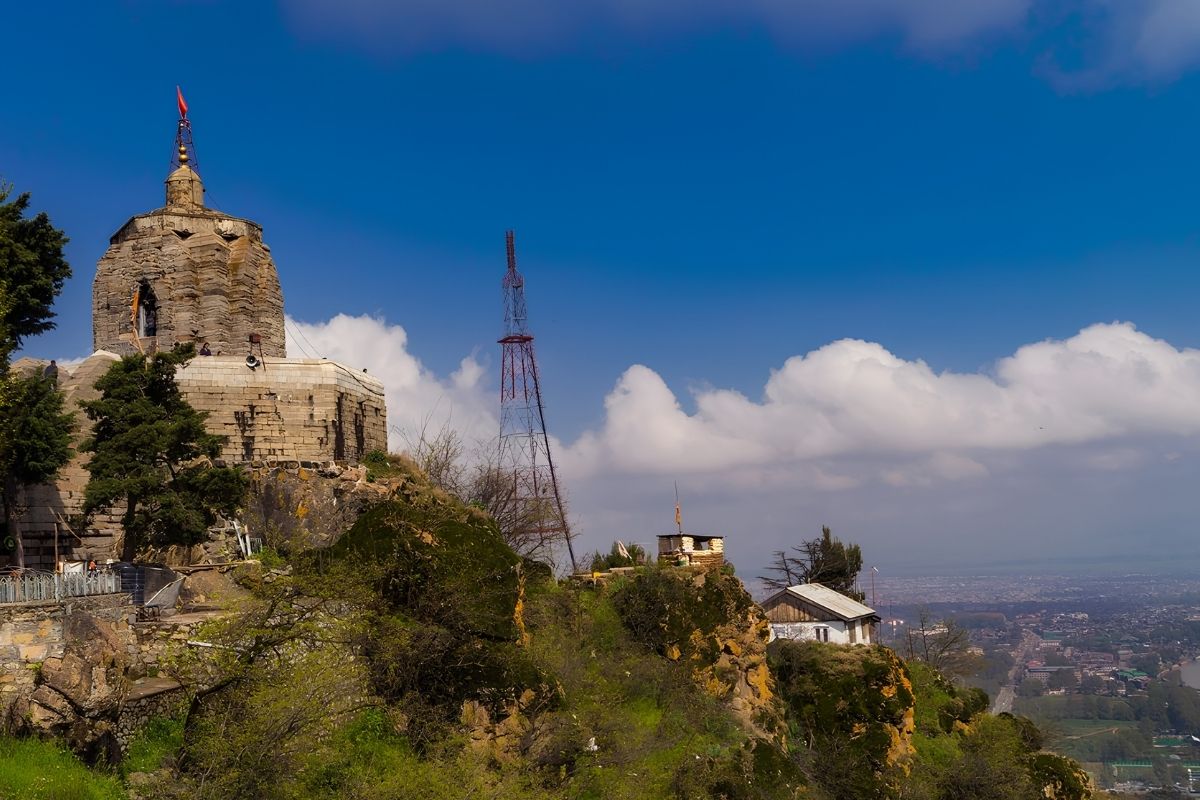
Shankaracharya Temple is on Shankaracharya Hill in Srinagar, the summer capital of Jammu and Kashmir. The hill rises well above the city. The temple looks down over most of it as a result.
Government and heritage sources put the shrine at roughly 1,000 to 1,100 feet above the city floor. The hill has carried a few names over the centuries. Gopadri. Gopa Hill.
From the top, you can pick out parts of Srinagar, Dal Lake, Hari Parbat, and the landscape around them, weather permitting.
Why Is Shankaracharya Temple Famous?
Religion, history, and one philosopher’s legend. Those three carry the reputation between them, more or less equally.
Devotees treat it as a major Shiva shrine. Historians study it as an early example of stone temple building in Kashmir. Tourists climb it mostly for the view, if we’re being honest. The District Srinagar administration lists it among the city’s places of interest, for what that’s worth.
The site also carries an older name, Jyeshteshwara, a reference to Lord Shiva. Its traditions built up over many centuries, and in places that makes it genuinely hard to pull archaeological fact apart from religious memory. Nobody’s fully sorted that out, and maybe nobody ever will.
History of Shankaracharya Temple
No single accepted date exists for the temple’s original construction. Some traditional accounts push its origins back centuries before the Common Era. The J&K Dharmarth Trust ties the temple to King Gopaditya and gives it an early date, drawing on its own reading of Kalhana’s Rajatarangini.
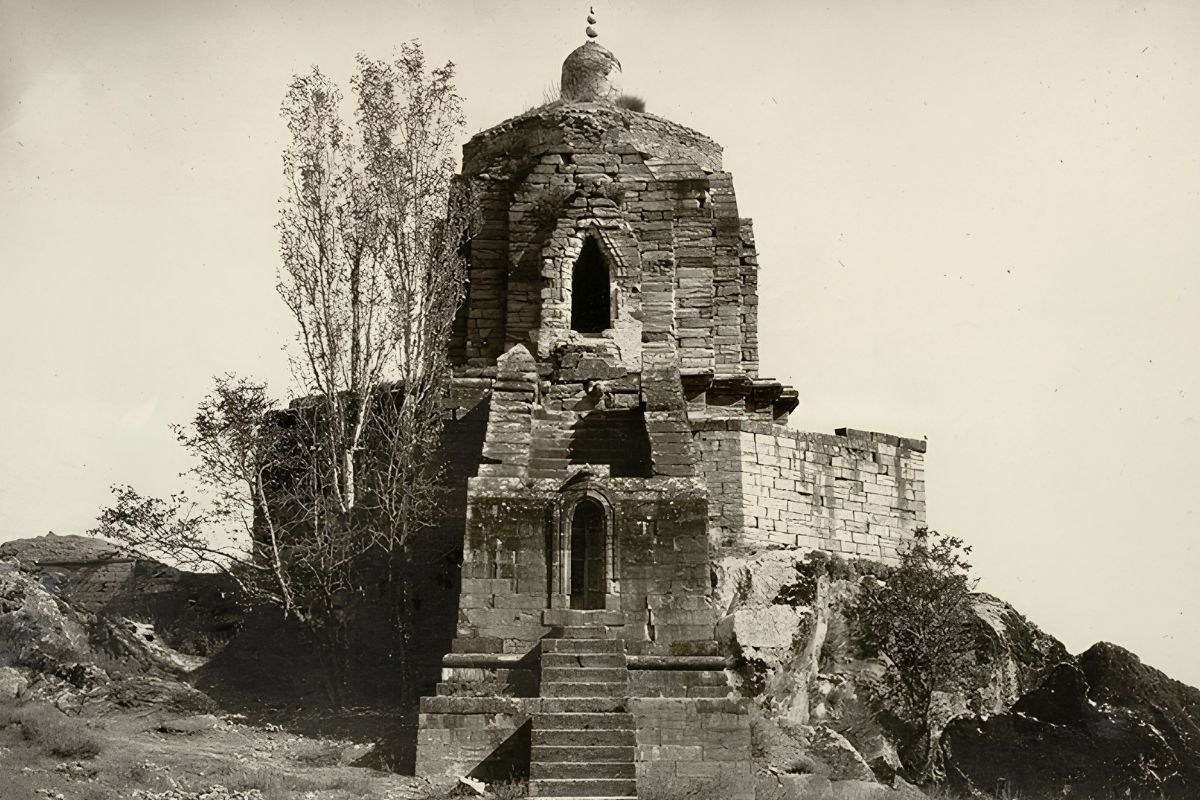
A different record tells a narrower story. Reproduced by the Indira Gandhi National Centre for the Arts from Archaeological Survey of India material, it describes a circular sanctum on a high octagonal plinth. Dates the temple to around the 7th century AD.
Rulers across different eras repaired and altered the structure. Historical accounts tie different phases of that upkeep to different periods in Kashmir’s history. What you’re looking at today, in other words, is centuries of worship, repair, and patchwork conservation. Not one act of construction. Never was.
What Is the Connection Between Adi Shankaracharya and the Temple?
Adi Shankaracharya was an Indian philosopher who helped spread Advaita Vedanta across the subcontinent. Tradition holds that he travelled through Kashmir and spent time on this particular hill, though good luck pinning down exactly when.
The government tourism portal credits the temple’s name to him and dates the tradition of his visit back several centuries. The finer details, though, live in religious tradition rather than any documented record.
A statue of him went up at the temple in 1961. That part, at least, is on the record.
What Is the Architecture of Shankaracharya Temple Like?
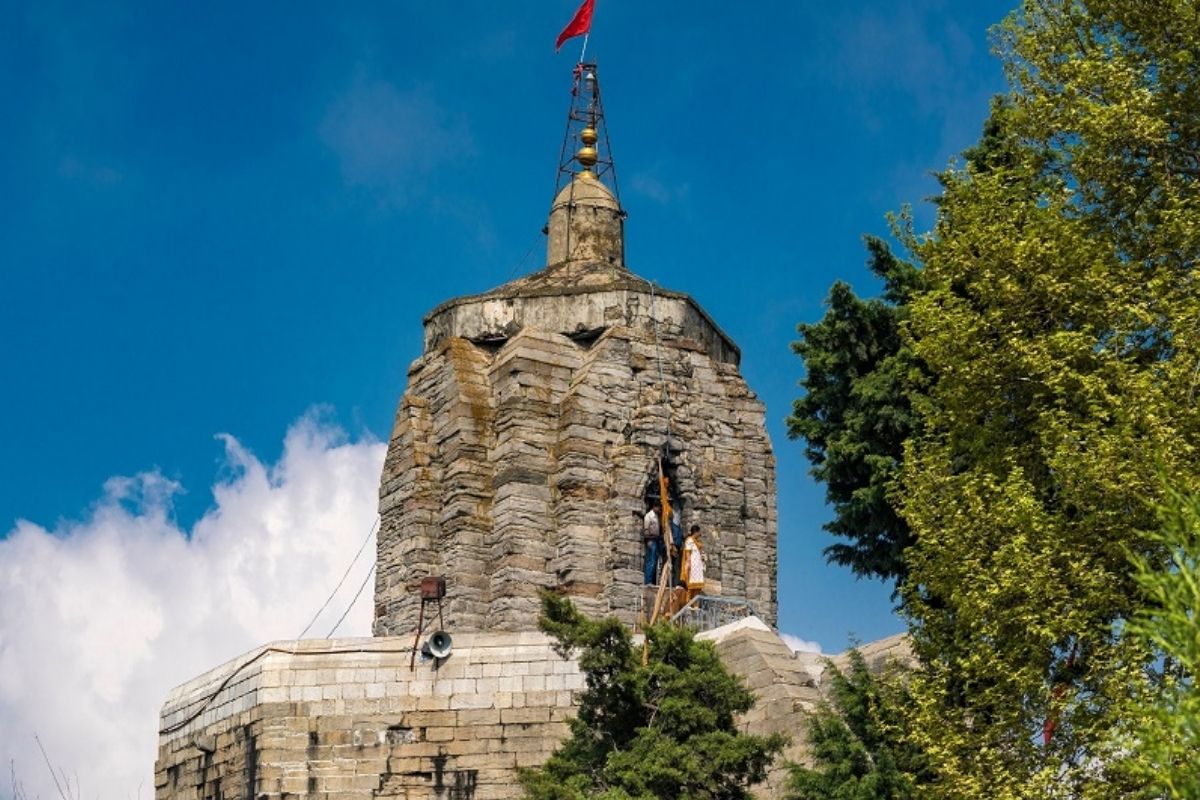
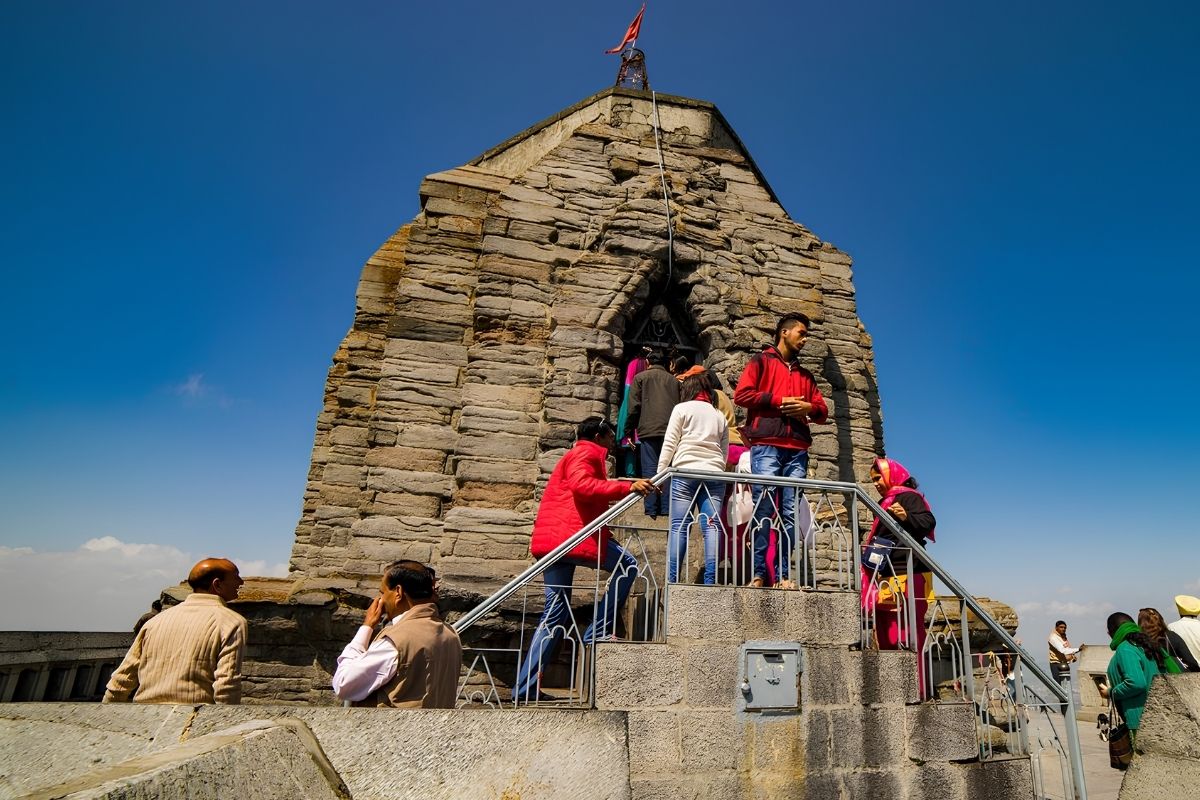
Builders raised the main shrine on a high octagonal stone plinth, with a circular sanctum on top and a long flight of steps leading up to it. The stone gives the whole thing a heavy, solid look, closer to plain and monumental than to the tall decorative towers you’d find on a lot of later Indian temples.
The elevated platform does real work too. Makes the shrine visible from a distance. Marks the whole approach as sacred ground before you even reach the steps.
Inside sits the object of worship, a Shiva Lingam. The building fits the broader tradition of ancient Kashmiri temple construction, shaped by local geography, whatever materials were on hand, and the region’s tangled history.
What Is the Religious Significance of the Temple?
Shankaracharya Temple remains a working place of worship. Not a museum piece, whatever the tourist brochures might suggest. Devotees come to pray and seek blessings, and visitor numbers climb hard during major Shaiva festivals like Maha Shivaratri.
Its tie to Adi Shankaracharya and to Indian philosophical thought adds another layer for a lot of visitors. In the end, the temple does double duty: an active shrine and a draw for people who just want a piece of Kashmir’s history and landscape.
What Can You See From Shankaracharya Hill?
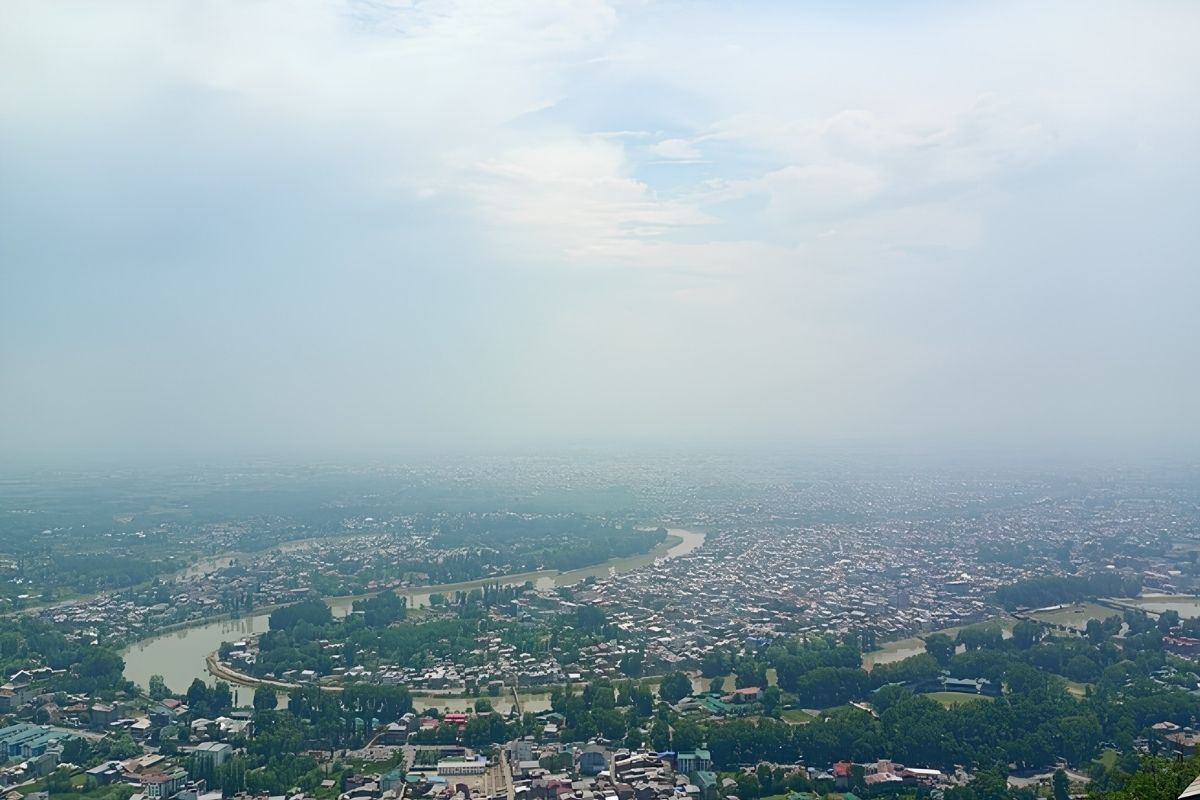
You get views of Srinagar and Dal Lake from up there, along with the surrounding Kashmir Valley. The government tourism portal calls out this hilltop position specifically, and it’s not exaggerating.
Weather changes everything here. Clear days, best visibility. Clouds, mist, or winter conditions cut down how much of the panorama you actually see, sometimes a lot.
How Do You Reach Shankaracharya Temple?
Most people travel by road toward Shankaracharya Hill and finish the trip on foot. The final stretch climbs stone steps, and that takes real effort. Especially for elderly visitors or anyone who struggles with stairs generally.
The temple sits in a security-sensitive area. Expect checks and restrictions along the way. Arrangements shift, so confirm local instructions before you travel rather than assuming.
The official heritage record names Srinagar airport as the nearest airport, Srinagar itself as the bus-station access point, and Jammu as the railway connection.
Visiting Hours
Published timings differ between sources, and they shift with season, security arrangements, and whoever’s running the temple that week.
The Incredible India tourism portal currently lists 7:30 AM to 5:00 PM. Other tourism sources give different hours entirely, which isn’t much help, but that’s the reality.
Confirm the day’s opening hours and any access restrictions locally before you travel. Especially for an early morning or late afternoon visit.
What Is the Best Time to Visit Shankaracharya Temple?
Srinagar’s weather drives most of this decision. Spring, summer, and autumn generally suit sightseeing and give the clearest views. Early morning tends to run quieter too, with sharper views before haze sets in later.
Winter can be stunning in Kashmir. It can also wreck a trip, between the cold, the snowfall, and rougher access conditions.
Planning a visit for religious reasons? Festival periods like Maha Shivaratri carry real significance. Bigger crowds too, and different security arrangements to match.
Things to Keep in Mind Before Visiting
- Wear comfortable footwear. The approach involves real stairs, not a token few.
- Carry water, especially in warmer months.
- Follow all security instructions at the entrance and along the approach road.
- Dress respectfully. This is an active Hindu place of worship, not a photo backdrop.
- Check the day’s visiting hours before you travel.
- Don’t litter or damage any part of the historic structure.
- Follow photography restrictions wherever they’re posted.
- If you’re elderly, weigh the physical effort of the steps beforehand.
- In winter, check local weather and road conditions first.
Places to Visit Near Shankaracharya Temple
A trip to Shankaracharya Temple pairs naturally with other stops in Srinagar. Dal Lake is famous for its houseboats and shikaras. Nishat Bagh and Shalimar Bagh, both historic Mughal gardens, sit close to the lake. District Srinagar tourism information also lists Chashma Shahi, Hari Parbat, Nigeen Lake and Pari Mahal among the city’s attractions.
Easy to fold into a wider Srinagar itinerary. Not much of a standalone trip on its own.
Why Should You Visit Shankaracharya Temple?
The temple pulls together faith, philosophy, history, architecture, and scenery in one place, which is a lot for one hill to carry. Its stone structure belongs to Kashmir’s architectural heritage, and its continued use as a place of worship keeps it tied to the present, not just the past.
Different traditions and different sources tell different stories about its age, so weigh the historical claims with some care rather than taking any one version as gospel. For anyone exploring Srinagar, the temple offers a look at one of the region’s older sacred sites, plus a hilltop view most other stops in the city just can’t match.
Conclusion
Shankaracharya Temple is a hilltop Shiva shrine and a genuine piece of Kashmir’s religious and cultural heritage, bound up with Lord Shiva and the traditional memory of Adi Shankaracharya.
Its exact origins remain up for debate. Neither the traditional accounts nor the archaeological assessments have settled the question between them, and they probably never fully will. What isn’t in dispute is the monument’s long-standing importance and its stone architecture on Shankaracharya Hill.
Devotees, history enthusiasts, and travellers keep coming, drawn as much by the views of Srinagar and Dal Lake as by the religious and historical weight of the place.
Frequently Asked Questions
1. Where is Shankaracharya Temple located?
On Shankaracharya Hill in Srinagar, Jammu and Kashmir.
2. Which God is worshipped at Shankaracharya Temple?
Lord Shiva, worshipped here as a Shiva Lingam.
3. Why is it called Shankaracharya Temple?
Because of Adi Shankaracharya, the philosopher and spiritual teacher; tradition says he visited Kashmir. Simple as that.
4. Is Shankaracharya Temple very old?
Depends on who you ask. An ASI-related heritage record dates the existing monument to around the 7th century CE, but traditional sources place it well earlier than that.
5. How high is Shankaracharya Temple?
Roughly 1,000 to 1,100 feet above Srinagar. The exact number varies a bit depending on which reference point you use.
6. Can tourists visit Shankaracharya Temple?
Yes. Just follow the security, entry, and photography rules once you’re there.
7. Can you see Dal Lake from Shankaracharya Temple?
Yes, clearly, along with parts of Srinagar.
8. How many steps are there at Shankaracharya Temple?
No fixed number really, since sources count different sections of the approach. Just expect a proper climb.
9. What is the best time to visit Shankaracharya Temple?
Spring, summer or autumn for sightseeing. Early morning if you want it quiet, security permitting.
10. Is photography allowed inside Shankaracharya Temple?
Sometimes, sometimes not, it varies by area and tightens up near the sanctum. Follow whatever’s posted and whatever security tells you on the day.
Sources and References
Incredible India – Ministry of Tourism, Government of India: Information on the temple’s location, religious significance, architecture, timings, and views of Srinagar.
Incredible India – Srinagar Tourism: Information on Shankaracharya Hill and other major attractions in Srinagar.
Indira Gandhi National Centre for the Arts (IGNCA): Reference material on Kashmir’s historic temple architecture and the Shankaracharya Temple.
District Srinagar, Government of Jammu and Kashmir: Official information on places of interest and tourism in Srinagar.
Jammu & Kashmir Dharmarth Trust: Traditional and religious information concerning Shri Shankaracharya Temple and its history.