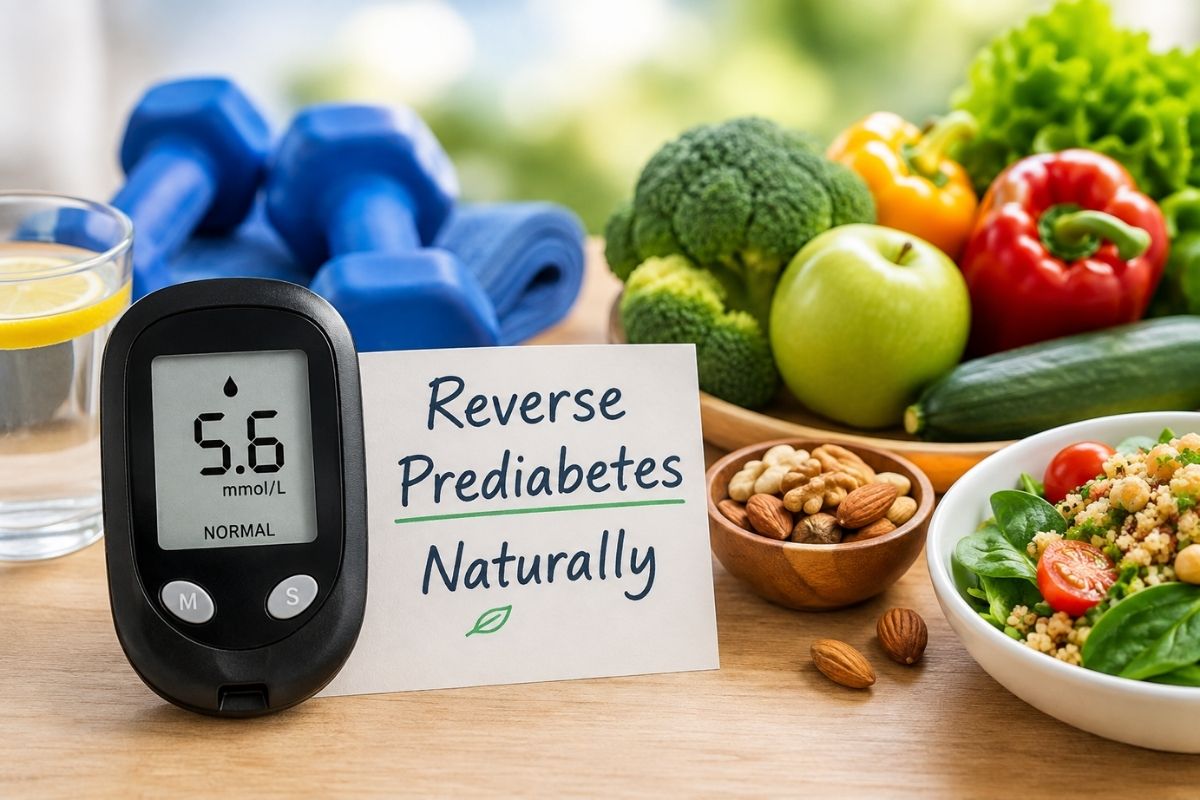
Yes, prediabetes can be reversed naturally. Losing 5–7% of your body weight, cutting refined carbs, walking 150 minutes weekly, and sleeping well can bring blood sugar back to normal levels.
Knowing that one is prediabetic can come as quite a shock, but viewing it as such will only cause further complications. Prediabetes basically refers to a situation where an individual’s blood sugar levels are elevated but not up to the standards set for type 2 diabetes.
What is more heartening is the fact that it is reversible. Simply making smart adjustments to one’s diet and physical activity routine will enable the body to once again regulate sugar levels and prevent diabetes from developing.
- The blood glucose level of 100-125 mg/dl is classified as prediabetes, and an A1C of 5.7-6.4%. Above normal but less than diabetes.
- A mere 5-7% reduction in weight is enough to reduce your chances of getting diabetes by more than 50%.
- No one feels this disease. That is why screening for it when you are above 45 years old (or younger, if you are obese) is better than waiting for the symptoms to develop.
- Healthy eating, regular exercise, good sleep, weight management, and avoiding tobacco are the most effective first-line strategies for preventing type 2 diabetes. Some people may also benefit from medication, such as metformin, based on their doctor’s advice.
- Just leave it untreated for five years or so, and you will end up with type 2 diabetes and a little damage to your heart and kidneys.
What Is Actually Happening in Your Body
To reverse prediabetes, it helps to understand what happens after a meal.
During eating, carbs from food undergo digestion in the digestive tract and turn into glucose (sugar) that travels into the blood circulation. In response, the pancreas secretes insulin, a substance that works like a key to open the door for sugar to enter cells and be used for energy.
Prediabetes means that this key doesn’t function well anymore. In prediabetes, the cells of the body become resistant to insulin, which is called insulin resistance. Since the sugar can’t enter into the cells, it builds up in the bloodstream. The pancreas responds by producing even more insulin; however, eventually, it cannot cope with this process, and blood sugar levels rise.
Where Do You Stand? Diagnostic Numbers
| Test | Normal | Prediabetes | Diabetes |
| A1C (average sugar, last 2-3 months) | Below 5.7% | 5.7% to 6.4% | 6.5% or higher |
| Fasting blood sugar | Below 100 mg/dL | 100 to 125 mg/dL | 126 mg/dL or higher |
| Oral glucose tolerance test (2-hr) | Below 140 mg/dL | 140 to 199 mg/dL | 200 mg/dL or higher |
A1C is usually the easiest one to start with since you don’t have to fast for it. Doctors often check that first and only order the others if needed.
Simple Everyday Habits to Reverse Prediabetes Naturally
You don’t need costly supplements or intense crash diets to improve insulin sensitivity. Focus on built-to-last changes you can stick with for years.
Here is the rewritten content. It uses natural, conversational phrasing and grounded, simple Indian English to sound completely human-written:
1. Change What’s on Your Plate: Put Fibre First

The standard Indian diet generally has many processed carbohydrates in it, like white rice, maida, tea with sugar, and ready-made products. These foods get digested very fast, leading to blood sugar spikes higher than normal. With some simple changes, one can regulate his or her blood sugar levels.
- Whole grains should replace refined grains. White rice and refined wheat flour are commonly used but should be replaced by whole grains such as jowar, bajra, and ragi. Other whole grains you may add to your diet include oats and brown rice.
- Add more veggies and pulses to your meals. You may add vegetables rich in fibre content such as spinach, okra, and bottle gourd on your plate along with lentils and legumes such as rajma, chana, and dal, which will help to absorb sugars slowly.
- Have proteins in each meal. Proteins take longer to digest than carbohydrates; hence, they help in regulating blood sugar levels. You may have proteins in your diet such as paneer, tofu, eggs, fish, chicken, and dals.
- Reduce the intake of sugary beverages. Drinks like sodas, packaged fruit juices, and flavoured coffees and tea are sources of additional sugar in your body. You should have water, buttermilk, or unsweetened drinks.
- Use the plate method. It is an easy and efficient way to balance your meal. Split your plate in half – one half filled with veggies and salads and the other half filled with protein and whole grains such as jowar roti, millet, and brown rice.
2. Move Your Body Every Single Day
You don’t need an expensive gym membership or intense workouts to lower your blood sugar. Physical movement naturally prompts your muscle cells to soak up glucose straight from your blood, even if your insulin levels are low.

- Aim to engage in 150 minutes of exercise each week. This can be achieved through only 30 minutes of daily exercise over a span of 5 days. Any form of exercise will count; speed walking, cycling, or doing housework are all viable options.
- Work on basic strength training exercises: The muscles act as sugar stores. By doing body weight exercises such as squats or wall push-ups 2-3 times per week, muscle mass can be improved.
- Go for a short walk after eating: Consider doing a leisurely walk of 10-15 minutes following each lunch or dinner meal. This will make all the difference in preventing high post-meal sugar levels.
3. Aim for Realistic, Small Weight Loss
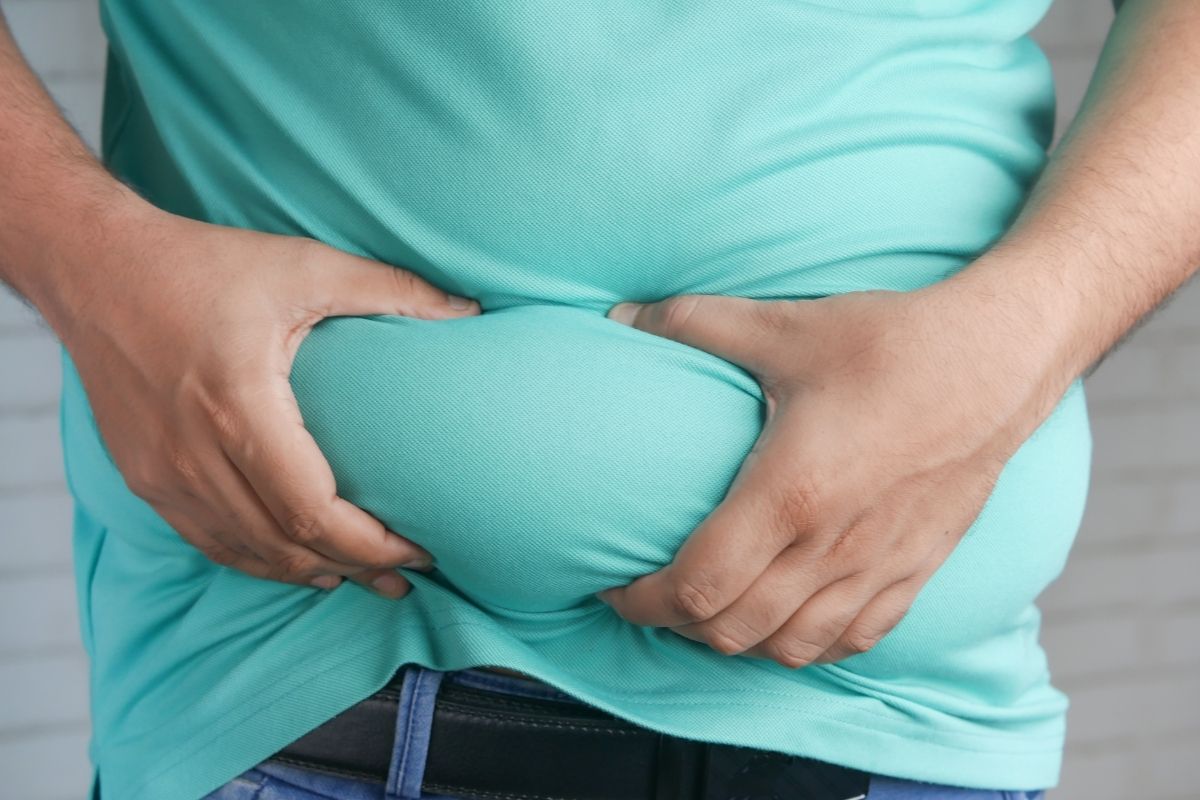
Carrying extra weight—particularly around your belly—causes subtle inner inflammation that makes your cells resist insulin even more.
The positive thing is that one does not have to undergo a dramatic physical change in order to achieve positive medical results. The decrease in body weight of 5% – 7% (approximately 4-5 kg for a person weighing 75 kg) decreases the chances of developing diabetes by over 50%. Try to avoid dangerous fasts and extremely strict diets; rather, focus on decreasing your food intake little by little each day.
4. Get Better Sleep and Keep Stress Low

Your body’s sugar metabolism is closely tied to your nervous system.
If your nightly rest is under 7 hours or you are stressed on most days, the amount of stress hormones increases in your body, such as cortisol and adrenaline. Such hormones are responsible for making your blood sugar levels increase, as well as making you crave sugary and high-carb foods. Remember to make sure that you sleep for 7 to 8 hours each night and take 10 minutes each day to relax through deep breathing or walking.
A Practical Daily Indian Meal Guide
Here is an example of what a balanced, high-fibre day looks like:
| Time | Meal Option |
| Early Morning | Warm water with soaked chia seeds or methi (fenugreek) water. |
| Breakfast | Vegetable oats upma, poha, ragi dosa with mint chutney, or 2 boiled eggs with a slice of whole-wheat bread. |
| Mid-Morning | A small bowl of fresh papaya/guava or a handful of roasted almonds and walnuts. |
| Lunch | Cucumber and tomato salad and 1–2 jowar or multigrain rotis and 1 bowl lentil dal and green vegetable curry and plain curd. |
| Evening Snack | Unsweetened green tea or chaas with roasted makhana (foxnuts) or roasted chana. |
| Dinner | Light vegetable soup and paneer/chicken stir-fry with broccoli and capsicum, or a small bowl of brown rice with dal and veggies. |
How Long Does It Take to See Results?
Getting rid of pre-diabetes is not a quick fix but something that will take time:
- 2 To 4 Weeks: This will see you enjoying more consistent energy levels throughout the day, less afternoon sugar cravings, and improved fasting glucose readings.
- 3 To 6 Months: As the red blood cells have a lifespan of around 120 days, doing an HbA1c reading three to six months later is one way of getting a true picture of where you’re at. Through lifestyle changes, many people manage to bring their readings back below 5.7%.
Conclusion
Think of prediabetes as an opportunity rather than a setback. Small, consistent lifestyle changes made today can restore healthy blood sugar levels and significantly lower your risk of developing type 2 diabetes in the future. All of these actions will help a significant number of people reduce their glucose levels to healthier ones. It is vital to start early because your body develops resistance to glucose with time. In case you fall under the high-risk profile, do not wait and undergo testing. Make changes gradually and consistently.
FAQs
1. Would prediabetes be a thing of the past once my sugar levels are normalised?
The reversal would mean that your sugar levels have been brought back under control again. But if you slide into your previous way of living, which included eating an excessive amount of refined sugar and inactivity, then chances are you may begin to experience insulin resistance. Consider them as a part of a change in your lifestyle rather than as a solution to your problems.
2. Do skinny people get affected by prediabetes?
Yes. This is not limited to obese people only. Skinny people can also get affected by prediabetes depending on their genetic structure, stress, insomnia, or visceral fat in internal organs.
3. Should I stop consuming rice for life?
Not at all. There is no need to stop consuming rice for life. All you need to do is consume rice in moderation. Brown rice, red rice, or hand-pound rice should be consumed in moderation, which should be balanced by other fibre-rich and protein-rich foods (dal, paneer, and vegetables).
4. How often do I have to measure my HbA1c?
While making positive changes, you are required to check your HbA1c level every 3-6 months.
Source and Reference:
Cleveland Clinic; prediabetes
Healthline: how to reverse prediabetes naturally