Xiaomi finally has a launch date. The Xiaomi 18 Pro and Xiaomi 18 Pro Max go official in China on September 23, 2026, at 7:00 PM local time—that’s 4:30 PM in India. The timing isn’t random either. Apple just launched its iPhone 18 Pro line a couple of weeks ago. Xiaomi is stepping right into that spotlight.
Most companies drip-feed specs over weeks. Xiaomi did something different this time. One poster. Five features. All under a simple headline: “Full Upgrade.” And here’s the interesting part—every one of those five features applies to both phones equally. So the Pro and Pro Max are basically the same phone inside. The real differences? Screen size and battery. That’s it.
Let’s break down what’s actually confirmed, what’s still a leak, and whether it beats Apple’s latest.
- Xiaomi 18 Pro and Pro Max launch in China on September 23, 2026, sharing the same chip, cameras, and display—only screen size and battery differ.
- Both phones get a 2nm chip (widely believed to be Snapdragon 8 Elite Gen 6), though Xiaomi hasn’t confirmed the name yet.
- The standout feature is a hardware-level privacy screen, similar to Samsung’s Galaxy S26 Ultra, alongside a dual-200MP Leica camera system.
- Battery capacity jumps to 7,000mAh (Pro) and 8,500mAh (Pro Max), with 100W charging expected based on leaked certifications.
- Expected India pricing (Rs 69,990–89,990) would undercut the iPhone 18 Pro line (Rs 1,64,900+) by a wide margin, though nothing’s official yet.
When’s the Launch, Exactly?
September 23. Simple as that. But there’s a reason Xiaomi picked this date. It overlaps with Qualcomm’s Snapdragon Summit, which runs from the 22nd through the 24th. That’s not a coincidence. Xiaomi wants its new chip talked about in the same breath as Qualcomm’s own reveal.
China gets the phone first. That’s how Xiaomi always does it. A global launch, including India, usually follows a few weeks later—though nothing’s official on that front yet.
Also Read: What to Actually Expect From the iPhone 18 Pro Max
The Chip: 2 nm, But No Name Yet
Here’s what Xiaomi has actually said: both phones run on a 2nm chip, built using a 2nm GAA process. The company claims better performance and better battery efficiency. Fair enough. But they haven’t named the chip. Not yet.
Nobody’s really fooled, though. Benchmark leaks and certification filings all point in the same direction—this is almost certainly Qualcomm’s Snapdragon 8 Elite Gen 6. Some regional reports go further and say the Pro Max might get a slightly upgraded version, the Snapdragon 8 Elite Gen 6 Pro, while the regular Pro sticks with the base chip. Worth noting: Xiaomi hasn’t confirmed that split. Treat it as a rumour until launch day.
Cameras: Two 200MP Sensors
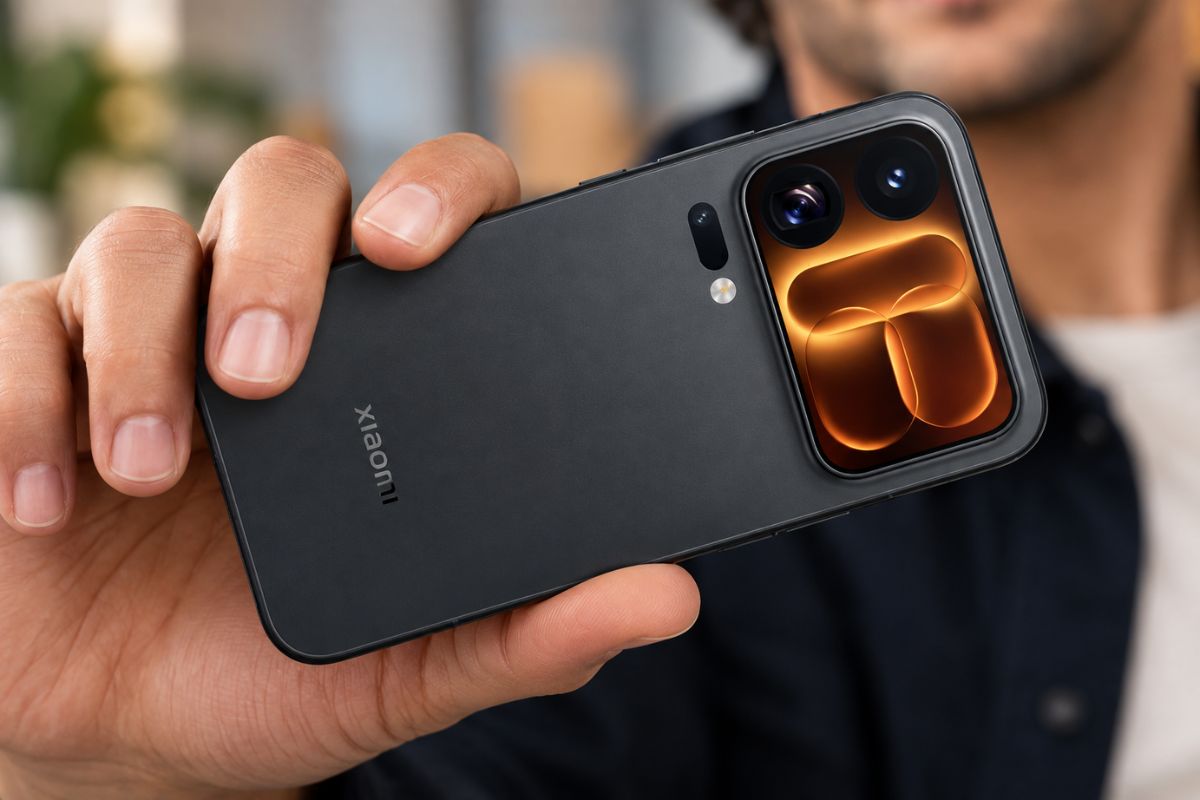
This is where Xiaomi wants the attention. Both phones get a Leica-branded camera system built around two 200-megapixel sensors—one main camera, one periscope telephoto. Xiaomi is calling it the most advanced Leica setup it’s ever put on a numbered flagship. That’s a bold claim, but the specs back it up on paper.
Some extra details have leaked too, though Xiaomi hasn’t confirmed them officially. Sample photos from a well-known tipster suggest a focal range around 17mm to 75mm, with roughly 3.2x periscope zoom. Take those numbers with a pinch of salt until Xiaomi’s keynote slides confirm them.
Display: A Privacy Screen and Barely-There Bezels
This is the feature everyone’s talking about. Xiaomi confirmed a hardware-level privacy display—similar to what Samsung did on the Galaxy S26 Ultra. In plain terms: the screen can physically narrow its viewing angle. Someone sitting next to you on the metro won’t be able to read your messages anymore.
The panel itself got upgraded too. It’s a new Super Pixel display, built on Xiaomi’s M11 light-emitting system with a new green material. Xiaomi says it’s around 20% more power-efficient than the last generation, hits 4,000 nits of peak brightness, and squeezes bezels down to just 0.99mm. That’s about as thin as bezels get right now.
One more thing—Xiaomi already confirmed an upgraded rear display too. It reportedly lets you build simple AI-generated apps right on that secondary screen, running on the new HyperOS 4 software.
Also Read: Can ChatGPT Replace Google Search? The Gap is Shrinking
Battery: A Real Jump in Capacity
Both phones use Xiaomi’s new GSR VIII battery tech, built with 32% silicon content. The standard 18 Pro gets a 7,000 mAh battery. The Pro Max goes even bigger—8,500 mAh. That’s a huge number for a phone that isn’t expected to be unusually thick.
Charging speed wasn’t on the official poster, but a regulatory filing from August already leaked it: 100W wired charging. Other reports back this up and also point to NFC, an IP69 rating, wireless charging, and reverse wireless charging on both models.
Colors
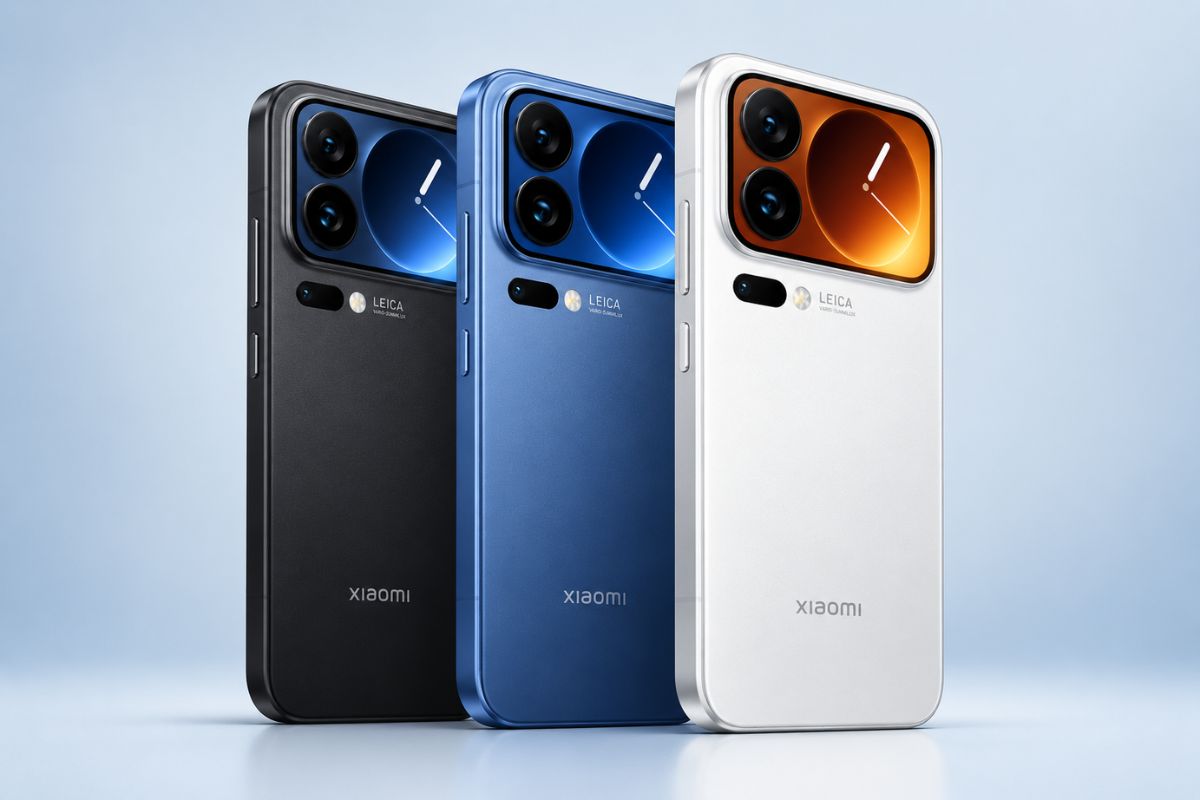
Three options are confirmed: Black, Galaxy Blue, and White.
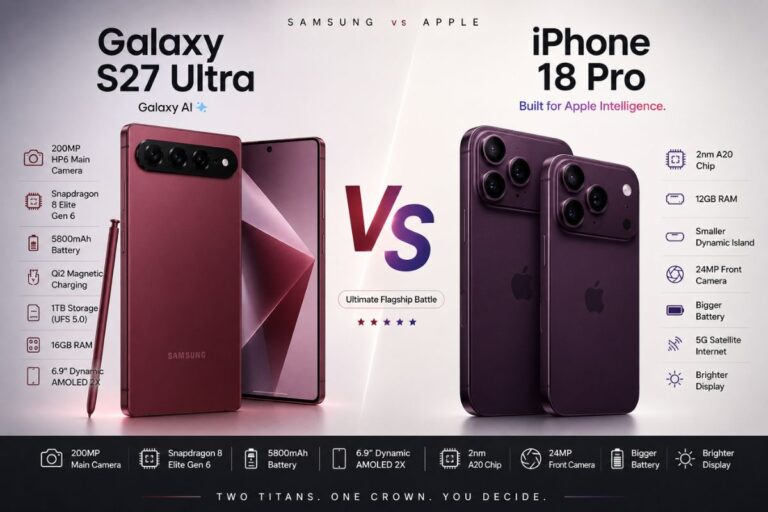
Xiaomi 18 Pro vs iPhone 18 Pro: The Price Gap Is Huge
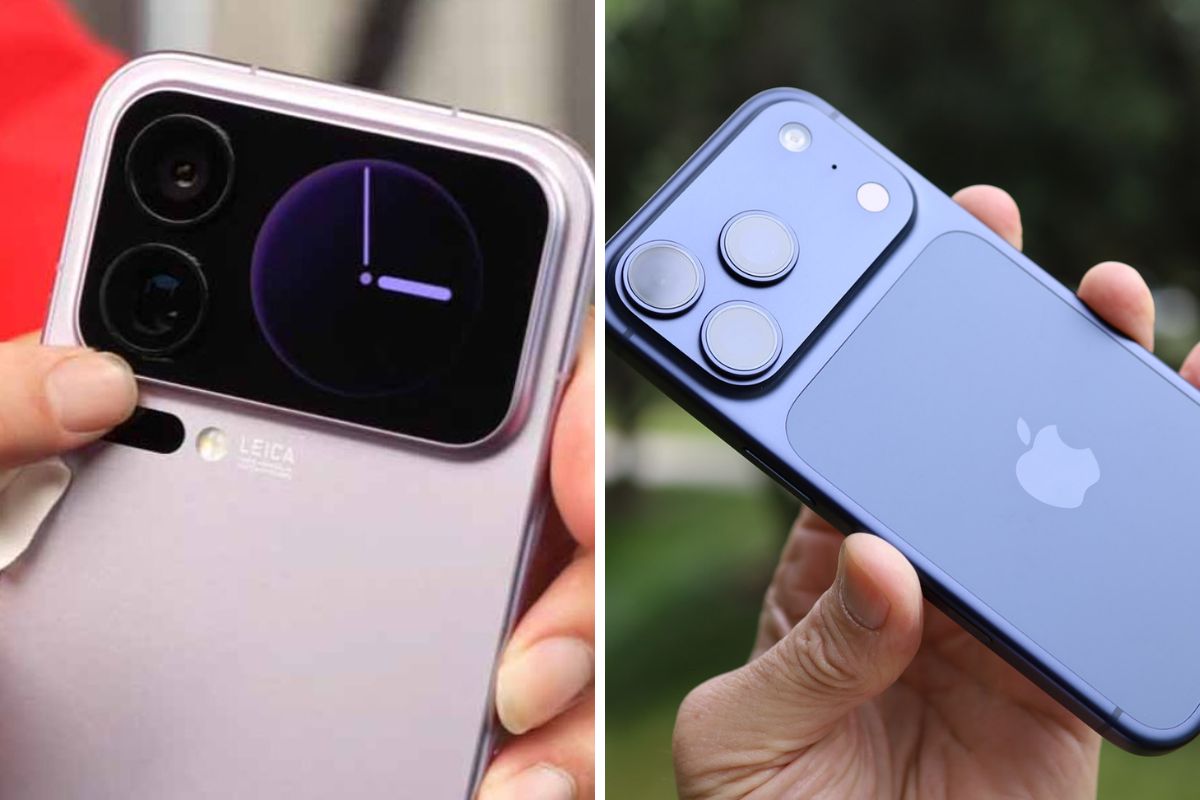
Apple’s iPhone 18 Pro and Pro Max are already on sale. They launched on September 9 and hit Indian stores on September 18. Here’s what they cost in India:
- iPhone 18 Pro: Rs 1,64,900 (256GB) up to Rs 3,14,900 (2TB)
- iPhone 18 Pro Max: Rs 1,79,900 (256GB) up to Rs 3,29,900 (2TB)
Xiaomi’s pricing hasn’t been confirmed yet—India launches always come later. But early estimates from Smartprix put the Xiaomi 18 Pro Max around Rs 89,990 and the standard Pro closer to Rs 69,990. Treat these as early guesses, not official numbers.
Specs-wise, the two brands are chasing different things. Xiaomi’s phones are tipped for Android 17, 12GB RAM, and either 256GB or 512GB storage depending on the model. The Pro is expected to carry a 6.36-inch LTPO AMOLED screen at 144Hz. The Pro Max steps up to 6.9 inches—which lines up closely with Apple’s own 6.3-inch and 6.9-inch screens.
Camera specs are where things get lopsided. Xiaomi’s dual-200MP setup looks massive next to Apple’s 48MP main sensor (paired with 24MP and 12MP lenses and an 18MP front camera). But megapixels don’t tell the whole story. Real photo quality depends just as much on sensor size and processing as it does on raw numbers.
Also Read: Claude Opus 4.8: Anthropic Refines the Idea of ‘Honest’ AI
FAQs
When does the Xiaomi 18 Pro launch?
September 23, 2026, 7 PM China time. China gets it first.
What chip does it use?
A 2nm chip, unnamed by Xiaomi. Almost certainly Qualcomm’s Snapdragon 8 Elite Gen 6.
What’s the real difference between Pro and Pro Max?
Mostly screen size and battery. Everything else is shared.
Does it really have a privacy screen?
Yes, confirmed by Xiaomi. Works like Samsung’s Galaxy S26 Ultra.
When’s the India launch?
Not announced yet. Only the China date is official.
Sources & References
- Gizmochina — Xiaomi 18 Pro series launches September 23, five key specs confirmed
- GSMArena — Xiaomi 18 Pro series to launch on September 23 with hardware-level privacy screen
- GoodReturns — Xiaomi 18 Pro + Xiaomi 18 Pro Max Vs iPhone 18 Pro + iPhone 18 Pro Max: Check Prices, Camera, & Key Features
- CNBC TV18 — Xiaomi 18 Pro Series launch date announced: check design, display and key details
- Jagonews24 — Xiaomi 18 Pro Series news report
A few numbers here—the exact chip name, camera zoom range, and India pricing—are still leaks, not confirmed facts. I’ve flagged each one as it comes up. Xiaomi’s keynote on the 23rd should settle the rest.