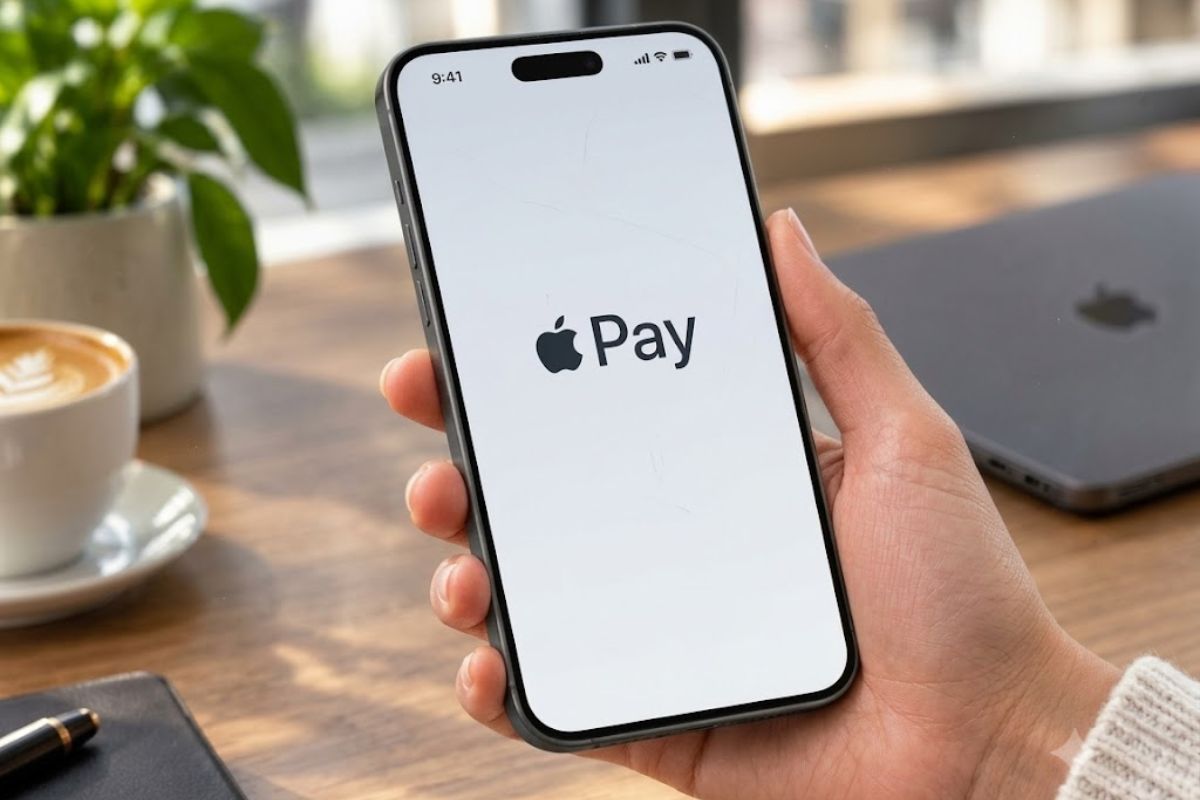
Apple Pay launched in India on 30 September 2026, finally bringing Apple’s tap-to-pay system to the country after years of false starts. If you own an iPhone and an eligible Axis Bank credit card, you can now add it to Wallet and pay by simply holding your phone near a contactless terminal — no PIN, no card, no fuss.
Here’s what you need to know before you set it up.
- Apple Pay went live in India on 30 September 2026, starting exclusively with Axis Bank
- Only Visa and Mastercard credit cards are supported — RuPay and debit cards aren’t included yet
- UPI is not part of Apple Pay in India at launch, and there’s no confirmed timeline for it
- Millions of merchants already accept it, including Zomato, Croma, Blinkit and Apple’s own stores
- Bigger banks like HDFC, ICICI and SBI Card haven’t joined yet, though they’re expected to follow
Why This Launch Took So Long
Apple first talked about bringing Apple Pay to India back in 2016. Nothing happened for years. The sticking point was regulation: India required SMS-based one-time passwords for card transactions, which didn’t fit neatly with Apple Pay’s Face ID and Touch ID model. The Reserve Bank of India removed that obstacle by allowing biometric authentication for card payments, clearing the technical and regulatory path for Apple to launch without needing an India-specific workaround.
That rule change, combined with months of negotiation over commercial terms, is what finally got the service over the line. Apple Pay is card-based and needs individual issuers and payment infrastructure providers to integrate with it, which made a broad rollout genuinely complicated to pull off. Commercial terms also became a sticking point with some of India’s largest banks along the way.
Also Read: iPhone 18 Pro and 18 Pro Max Sale Begins In India Sees Long Queues From Morning
What Actually Launched — And What Didn’t
Apple went with a phased, bank-by-bank approach rather than a big-bang launch across every issuer.
Apple Pay is now available to users in India on iPhone, iPad and Apple Watch, with Mac support said to be coming soon. Right now, only customers holding Axis Bank-issued Visa and Mastercard credit cards can add their cards and use them at in-store and online merchants across the country, plus anywhere that accepts NFC payments.
That’s a narrower start than many expected. The rollout went live on 30 September 2026, making India one of the last major markets to get Apple’s payments service. Even within Axis Bank, coverage isn’t complete — only eligible Axis Bank credit cards on the Visa and Mastercard networks work, so RuPay and American Express aren’t supported, and not every Axis Bank card in circulation qualifies yet.
If you bank elsewhere, patience is the order of the day. HDFC Bank, ICICI Bank and SBI Card aren’t part of the launch, with Apple reportedly still working through commercial arrangements with other issuers.
Apple Pay In India: Launch Snapshot
| Feature | Status at launch |
|---|---|
| Launch date | 30 September 2026 |
| First banking partner | Axis Bank |
| Card networks supported | Visa, Mastercard |
| RuPay support | Not available |
| UPI support | Not available |
| Devices supported | iPhone, iPad, Apple Watch (Mac coming soon) |
| Other banks confirmed | None yet (HDFC, ICICI, SBI Card not included) |
Source: Apple Newsroom, TechCrunch
Why No UPI (Yet)
This is the bit that trips people up. India runs on UPI, not cards, for most everyday digital payments. UPI accounts for roughly 84% of India’s digital-payment volume and serves more than 550 million users — numbers that dwarf what any card-based wallet can realistically compete with. Unlike UPI, which lets people make instant bank-to-bank payments without needing a card at all, Apple Pay is fundamentally a card product.
So the two systems solve different problems. Apple Pay layers on top of your existing credit card, while UPI works independently of cards altogether. Some reports suggest Apple has explored a version of Apple Pay that works with UPI QR codes, but nothing was included in this launch, and there’s no confirmed date for it.
How To Set Up Apple Pay On Your iPhone
If you have an eligible Axis Bank card, getting started takes a couple of minutes.
- Open the Wallet app on your iPhone.
- Tap the “+” button in the top-right corner.
- Choose “Debit or Credit Card”, then tap Continue.
- Position your card in the frame so your iPhone’s camera can scan the details, or tap “Enter Card Details Manually” if scanning doesn’t work.
- Enter your card’s expiry date and security code, then tap Next.
- Agree to the terms and conditions.
- Verify your card — Axis Bank will typically send an OTP or ask you to confirm through their app.
- Set it as your default card if you’d like, or skip that step if you’re adding it alongside other cards.
- Add it to Apple Watch too, if you have one paired, by following the prompt that appears.
Once that’s done, your card lives securely in Wallet. Apple doesn’t store your actual card number on the device or its servers — it creates a unique Device Account Number instead, so your real card details are never shared with merchants.
How To Actually Use It
Paying in a shop is simple. Double-click the side button, glance at your iPhone or use your fingerprint to confirm with Face ID or Touch ID, then hold the top of your phone near the card reader until you feel a gentle buzz and see a checkmark. Done.
Online, look out for the Apple Pay button at checkout on supporting apps and websites. One tap, one Face ID scan, and the payment’s through — no typing card numbers, no CVV, no OTP screen.
At launch, Apple Pay is accepted by millions of merchants across India, including Apple Store locations, Blinkit, Chaayos, Comet, Croma, Interflora, Ixigo, Le15 Patisserie, Reliance brands, Tata 1mg and Zomato, alongside any terminal that already accepts contactless NFC payments generally.
Is It Worth Switching To Right Now?
For most people in India, probably not urgently — UPI already does the job for day-to-day spending, and it’s free, fast and nearly universal. But if you’ve got an eligible Axis Bank card and you’re fed up with fumbling for your physical card at checkout, or you shop on apps where Apple Pay is accepted, there’s genuine convenience on offer here. It’s also arguably more secure than swiping a physical card, since your card number never actually touches the merchant’s terminal.
The real value will show up once more banks join. Until HDFC, ICICI and other major issuers come on board, a sizeable chunk of iPhone users in India simply can’t use it yet — so this launch is best thought of as a first step rather than a finished product.
Also Read: Is the Flipkart Freedom Sale Real or Misleading? Discount Truth Explained
Frequently Asked Questions
Is Apple Pay Available For All Banks In India?
No. Only Axis Bank Visa and Mastercard credit cards work at launch; other major banks haven’t joined yet.
Does Apple Pay Support UPI In India?
Not currently. Apple Pay works with cards only; UPI integration hasn’t been announced or confirmed.
Can I Use Apple Pay With A Debit Card In India?
Not at launch — only eligible Axis Bank credit cards are supported for now.
Which IPhones Support Apple Pay In India?
Any iPhone running a reasonably current version of iOS with NFC (iPhone 6 and later) can use Apple Pay, provided you have an eligible card.
Will RuPay Cards Work With Apple Pay In India?
No, RuPay isn’t supported at launch. Only Visa and Mastercard networks are currently enabled.
Sources
- TechCrunch – Apple Pay set to launch in India with Axis Bank today, sources say
- Yahoo Finance / Reuters – Apple (AAPL) Eyes an Apple Pay Launch in India
- Live From A Lounge – Breaking: Apple Pay arrives in India; enabled with Axis Bank Credit Cards as of September 30, 2026
- Appleosophy – Apple Pay makes its debut in India
- Apple Newsroom India – Apple Pay launches in India
Disclaimer: This article is provided for general informational purposes only and does not constitute financial, technical, or professional advice, nor is it intended for promotional purposes or brand endorsement. Readers should independently verify all facts, product specifications, and banking terms directly with official service providers before making any financial decisions, and seek professional guidance where appropriate.